Thursday, 25 June 2026

Pilot initiative marks major step in advancing the blue economy and unlocking ocean-based livelihoods
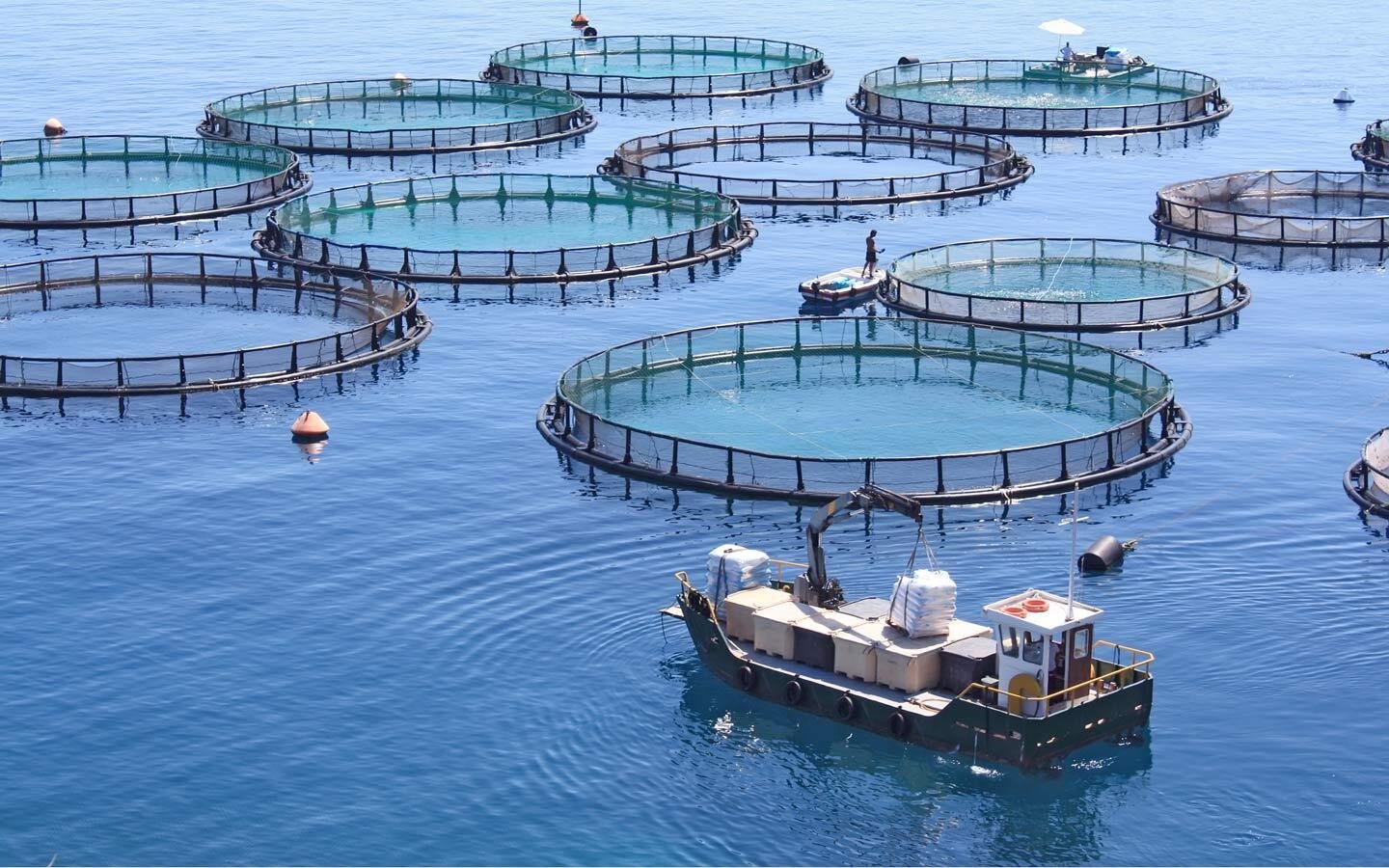
India has taken a significant step toward harnessing its ocean resources with the launch of the country’s first-ever open-sea marine fish farming project in the Andaman and Nicobar Islands. The project was inaugurated on Sunday by Union Minister Dr. Jitendra Singh, marking a milestone in India’s efforts to strengthen its blue economy.
Dr. Singh travelled by boat to North Bay to inaugurate the project, which involves the rearing of seabass and cobia in open-sea cages under natural oceanic conditions. The pilot initiative also includes experimental seaweed cultivation, expanding the scope of sustainable marine aquaculture.
Seabass and cobia are premium, white-fleshed fish known for their rich flavour and strong market demand, both domestically and internationally. Officials from the National Institute of Ocean Technology (NIOT) said the project integrates advanced marine engineering with aquaculture science to enable scalable, open-ocean farming.
The initiative is being implemented through a collaboration between the Ministry of Earth Sciences, NIOT, and the Andaman and Nicobar Islands Administration. It focuses on combining scientific innovation with livelihood generation, particularly for coastal and island communities.
Describing the project as a transformative step, Dr. Singh said India’s oceans—like its Himalayan and mainland resources—hold immense and diverse economic potential that remained underexplored for decades after Independence. He noted that since 2014, there has been a fundamental shift in national thinking, with growing recognition of the maritime domain as a key driver of economic growth.
The open-sea fish farming project aligns with India’s broader strategy to promote sustainable fisheries, marine biotechnology, and ocean-based industries, while reducing pressure on near-shore ecosystems and enhancing food security.
Following the launch, Dr. Singh visited Netaji Subhas Chandra Bose Island—formerly Ross Island—located about 20–30 minutes by boat from Sri Vijaya Puram. During his visit, the Minister toured several historical landmarks, including the Japanese Bunker from World War II and the Smritika Museum, established by the Indian Navy in 1993.
He also reviewed heritage structures such as the Farzand Ali Market, Power House, Bakery, Secretariat, Church, Troops Barrack, and the Chief Commissioner’s Bungalow. Officials from the Andaman and Nicobar Islands Integrated Development Corporation Limited (ANIIDCO) briefed him on plans for developing a national memorial on the island.
The launch of India’s first open-sea fish farm underscores the government’s push to combine science, sustainability, and economic development, positioning the Andaman and Nicobar Islands as a strategic hub for the future of India’s blue economy.