Monday, 13 July 2026

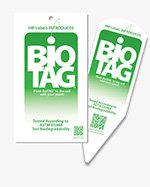
BioTAG plant tags have been tested to the ASTM D5988 soil biodegradability test method
HIP Labels, LLC, Greensboro, NC, introduced BioTAG plant tags to the marketplace for 2026. A giant leap forward in sustainability, BioTAG is a unique, authentic, soil-biodegradable plant tag developed by HIP Labels to reduce single-use plastic waste in the horticulture industry by eliminating plastic from landfills and bodies of water. BioTAG plant tags have been tested to the ASTM D5988 soil biodegradability test method. True biodegradability is the ability of organic materials to be fully broken down by microorganisms into water and carbon dioxide in the presence of oxygen, as when in soil. After being buried in soil with the plant and disintegrating into small pieces, BioTAG plant tags fully biodegrade in 90 days. Durable in the plant production cycle and with excellent print quality, BioTAG is perfect for all shapes and sizes of stake and hang tags.
Four years in development, HIP collaborated with Kelvin Okamoto, PhD, President of Green Bottom Line, Inc., for technical guidance. Okamoto brought 35+ years of industrial experience in plastics, materials, and packaging to the project. His knowledge of sustainable materials, packaging, and test and specification standards that affect them was critical to the creation and validation of the final product.
“Sustainability is an ever-growing concern in the industry and for consumers, and now HIP Labels is offering customers a truly biodegradable plant tag,” said Bob Lovejoy, president and owner of HIP Labels. “Meeting the challenge has been a significant investment in time and expense, but the end product had to be reliable in application and authentic in the sustainability statement. Adhering to the ASTM standard was important to avoid claims of ‘greenwashing’, or portraying a product as more environmentally friendly than it truly is. I’m excited to have BioTAG in the marketplace finally.”