Saturday, 18 July 2026

Stakeholders stress innovation, execution, and climate resilience to secure farm incomes and food security
As the countdown to Union Budget 2026 begins, voices from industry and civil society are converging around a common theme: the need for structural, execution-focused reforms that strengthen India’s agricultural foundations while positioning the country for long-term competitiveness.
From the standpoint of agricultural inputs and innovation, industry leaders argue that India’s ambitions of global leadership are constrained by chronically low investment in research and development. Despite its scale and scientific talent, India continues to spend approximately 0.7 per cent of GDP on R&D, significantly below levels seen in peer economies such as China, Israel, the United States, and several European nations. Stakeholders contend that without a decisive policy push, this underinvestment risks limiting innovation, productivity gains, and export competitiveness.

Dr. R.G. Agarwal, Chairman Emeritus, Dhanuka Agritech Ltd., emphasized the urgency of restoring fiscal incentives for innovation and rationalizing the tax treatment of essential farm inputs.
“We often talk about strengthening India’s innovation ecosystem, but the reality is that India still spends only about 0.7 per cent on research and development. Countries like China, Israel, the US and many European nations invest much more. If we genuinely want scientific progress and global competitiveness, R&D funding has to increase. Earlier, private-sector research was encouraged through income-tax deductions, which are no longer available. We hope this budget restores strong support for R&D for both public institutions and industry.
Pesticides are not luxury products. They are plant medicines and a form of crop insurance for farmers. Yet, they attract 18 per cent GST, similar to luxury items. Just as the GST on essential human medicines was reduced, we urge the government to bring the GST on pesticides down to 5 per cent, so farmers are not overburdened.
At the same time, we recognise that several promises from the last Budget have moved from announcement to action. Other initiatives are underway, and the intent is positive. The key focus now should be execution and real impact at the farm level.”
Complementing this industry perspective, development practitioners stress that smallholder farmers—who cultivate the majority of India’s agricultural land—remain the most exposed to climate volatility, market shocks, and income insecurity. They argue that Budget 2026 must recalibrate its priorities toward resilience-building rather than short-term relief.

Crispino Lobo, Co-founder and Managing Trustee, Watershed Organisation Trust (WOTR), highlighted the urgency of a farmer-centric, systems-based approach to budgeting.
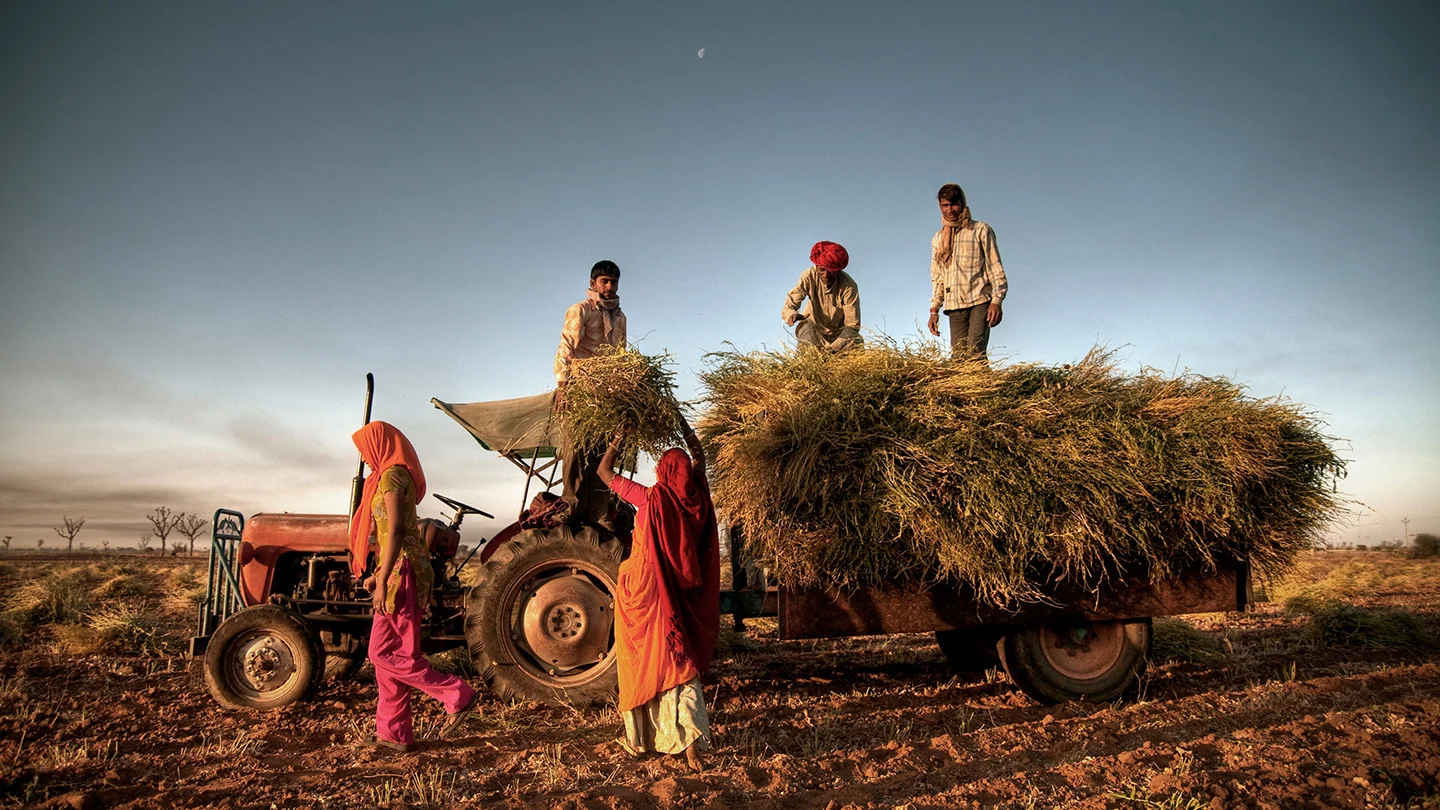
“As India prepares its Annual Fiscal Budget, it is important to remember that the future of our food systems rests largely in the hands of smallholder farmers—men and women who cultivate less than two hectares of land, yet carry a disproportionate share of climate, market, and economic risk. Their realities are well known: limited access to affordable credit, highly volatile farm incomes, increasing exposure to climate extremes, inadequate access to quality inputs and appropriate technologies, and persistent post-harvest losses due to weak rural infrastructure.
A budget that truly serves smallholder farmers must therefore move beyond short-term relief and focus on long-term resilience. Investments in climate-adaptive agriculture, sustainable water security, precision farming technologies, farm-customised dynamic weather-based advisories, post-harvest loss-reducing technologies, and local value chains are no longer optional—they are essential. Equally important is strengthening institutional credit, risk-mitigation instruments such as effective crop insurance, and extension systems that place knowledge and technology in farmers’ hands.
If we want rural India to thrive, the Budget must see smallholders not as beneficiaries of welfare, but as partners in building resilient ecosystems, sustainable livelihoods, and national food security. Empowering them is not just a moral imperative; it is a strategic investment in India’s future.”
Taken together, these perspectives underscore a shared expectation from Budget 2026: a shift from incremental announcements to execution-driven, impact-oriented policy design. Whether through renewed R&D incentives, rationalized taxation of essential farm inputs, or sustained investment in climate resilience and farmer capabilities, stakeholders believe the upcoming Budget offers a critical opportunity to align innovation, equity, and productivity across India’s agricultural economy.
— Suchetana Choudhury (suchetana.choudhuri@agrospectrumindia.com)