Wednesday, 1 July 2026

How a Self-Help Group turned wasteland into a fragrant treasury of Vetiver
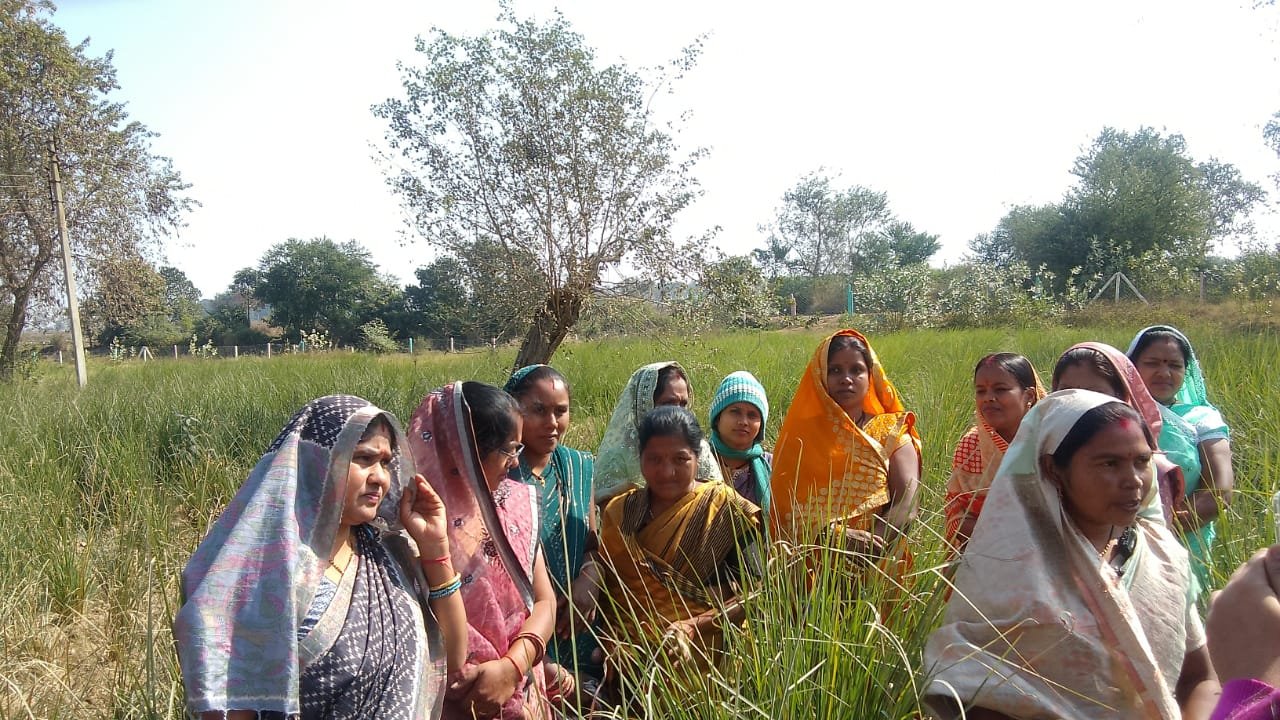
In the quiet expanse of a village field, where the soil once lay barren and unyielding, a group of determined farmers gathered under the banner of the Dhan Ka Katora Self-Help Group (SHG). Their name—literally “the bowl of wealth”—was chosen with hope, but at the time it seemed more aspiration than reality.
On two and a half acres of land, they planted khas, or vetiver, a plant whose roots run deep into the soil and whose fragrance carries both healing and promise. Alongside vetiver, they nurtured 1,000 saplings of sindoor and 2,000 of shatavari, medicinal plants revered in traditional knowledge systems.
Training for Transformation
The journey was not left to chance. With the support of board-led training sessions, these farmers were guided in the art of cultivation, harvesting, and processing. They learned how vetiver’s roots, when carefully tended, yield not only oil but also stability—binding the soil, conserving water, and enriching the land that once seemed lifeless.
For many, this was their first step into structured agricultural enterprise. The training gave them confidence, and the fields began to whisper a new story: one of resilience, knowledge, and collective strength.
The Fragrance of Vetiver
Vetiver, known locally as khas, is no ordinary crop. Its roots, harvested after months of patient care, yield a fragrant essence that perfumers and healers have cherished for centuries. In the hands of the Dhan Ka Katora SHG, the crop has become a lifeline.
From half a tonne to one and a half tonnes of roots, the harvest has brought tangible rewards. The oil distilled from these roots carries not just fragrance but fortune. Within a year, profits have risen to between Rs 60,000 and Rs 100,000, a sum that has transformed households and restored dignity to farming families.
A Woman’s Voice of Renewal
Among the rows of vetiver, women farmers stand proudly at the forefront. One of them, Meera Devi, pauses during harvest, her hands stained with the earth that now sustains her family. She smiles, her voice steady and full of conviction:
“We were told this land had no future. But today, when I hold these roots, I feel I am holding our children’s future. Vetiver has given us strength, and the fragrance of this oil is the fragrance of our hard work.”
Her words capture the essence of the movement: the reclamation of land, livelihood, and identity.
Beyond Profit: A Model of Empowerment
The story of Dhan Ka Katora SHG is more than a tale of profit margins. It is a narrative of empowerment, where farmers—especially women—have become custodians of knowledge and stewards of the land. The cultivation of sindoor and shatavari alongside vetiver adds diversity and resilience, ensuring that the soil yields not just crops but confidence.
The SHG has become a beacon of solidarity, proving that when communities come together, even wasteland can be reborn as a treasury of wealth.
The Larger Vision
This initiative resonates with the broader vision of sustainable agriculture: reclaiming wasteland, empowering communities, and restoring ecological balance. Vetiver’s deep roots not only yield oil but also anchor the soil, prevent erosion, and conserve water. In every sense, it is a plant of resilience—binding together the fortunes of farmers and the health of the land.
Dhan Ka Katora has lived up to its name. What was once barren soil now overflows with fragrance, profit, and pride. The bowl of wealth is no longer a dream—it is a reality, carried in the roots of vetiver and in the voices of farmers who dared to believe in renewal.
— Suchetana Choudhury (suchetana.choudhuri@agrospectrumindia.com)