Saturday, 11 July 2026

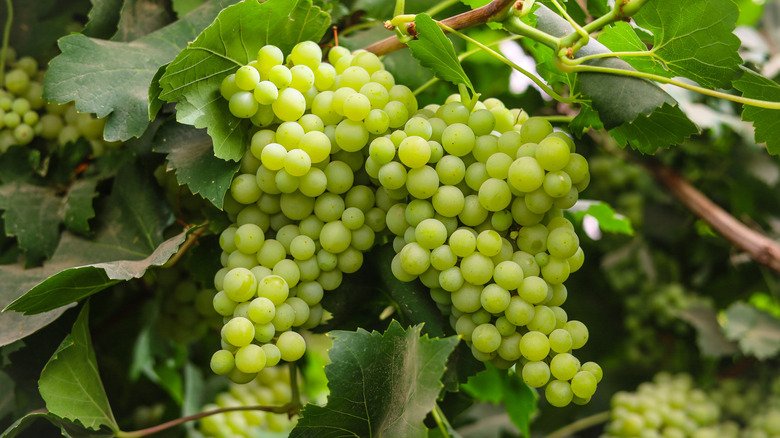
Maharashtra’s raisin sector is navigating one of its toughest years in recent memory, as untimely and sustained rainfall has upended grape production across the state. The weather shock has translated directly into weaker export performance, exposing vulnerabilities across the horticulture value chain. Government figures indicate that raisin shipments from the state totalled 6,309 tonnes between April and November 2025, underscoring how climate instability is increasingly shaping outcomes in one of India’s most export-dependent fruit industries.
The impact has been most severe in Nashik and Sangli, long regarded as the backbone of Maharashtra’s grape economy. Growers and processors report that prolonged monsoon conditions, followed by unexpected rainfall late into September and October, coincided with the most sensitive phase of crop development. This period is critical for fruit maturation and dehydration for raisin production. Persistent moisture delayed harvest schedules, heightened disease incidence, and undermined grape quality at scale.
Although overseas appetite for Indian raisins remains steady, disruptions on the supply side have sharply constrained the availability of export-quality output. Maharashtra continues to serve markets such as Morocco, Romania, Russia, Saudi Arabia, Vietnam, Indonesia, and Sri Lanka, but exporters say inconsistent quality has forced many processing facilities to operate far below their designed capacity. Damage to vines is also expected to weigh on future harvests, affecting both table grape sales and raisin processing volumes in the months ahead.
Industry participants caution that the fallout from this season’s weather events extends well beyond export statistics. Tighter grape supplies are reshaping domestic market dynamics, influencing prices, squeezing margins, and injecting uncertainty into farming operations, processing schedules, logistics planning, and trade contracts. One exporter described the situation as a systemic disruption, with losses accumulating at multiple points along the value chain.
Despite these pressures, some relief may emerge from the domestic market. With output constrained and consumption relatively stable, prices for fresh grapes and raisins are likely to strengthen in the near term. Farmers and traders hope that firmer domestic pricing will help offset part of the revenue shortfall from exports, although processors reliant on consistent volumes and quality continue to face profitability challenges.
As India’s leading producer of grapes and raisins, Maharashtra’s difficulties carry national implications. The current season has once again highlighted the exposure of high-value horticulture to increasingly erratic weather patterns, raising broader questions about climate preparedness, production resilience, and the long-term viability of export-led growth models in agriculture.
With climate volatility becoming more frequent, the disruptions unfolding in Maharashtra’s grape-growing regions underline the urgency of investing in climate-resilient cultivation practices, improved post-harvest management, and stronger risk-mitigation frameworks to safeguard both farmers’ incomes and India’s position in global fruit markets.