Wednesday, 1 July 2026

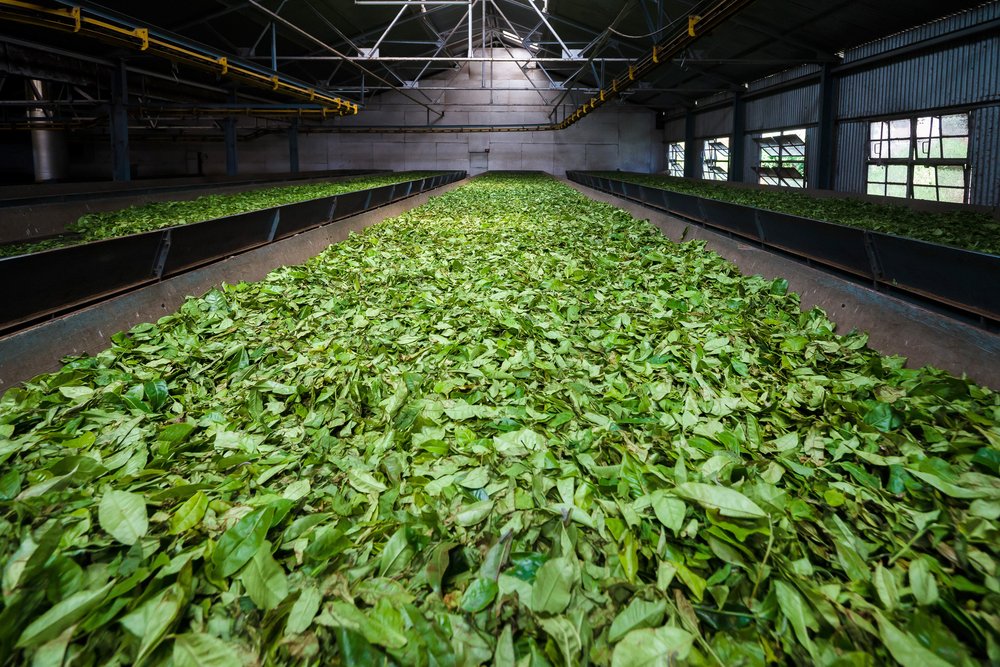
India’s food processing sector is entering a decisive green transition, with the Ministry of Food Processing Industries (MoFPI) rolling out a suite of measures that push renewable energy adoption, climate-friendly infrastructure, and sustainable packaging innovations across the agro-food value chain. As global supply chains demand lower emissions, greater resource efficiency, and transparent sustainability metrics, India is positioning its food processing ecosystem to meet the next decade’s environmental benchmarks without compromising growth.
MoFPI today reaffirmed its commitment to accelerating renewable energy usage—solar, biomass, wind and allied technologies—by offering financial assistance of up to Rs 35 lakh per project under the Pradhan Mantri Kisan SAMPADA Yojana (PMKSY). The support covers the integration of alternate-energy systems into food processing units, ensuring that India’s fast-expanding processing infrastructure aligns with global climate goals.
All projects receiving this assistance must also secure consent to operate from respective State Pollution Control Boards, ensuring compliance with air and water norms before grant disbursement. In line with the Ministry of Environment, Forest and Climate Change’s climate directives, project agencies are further required to deploy cold-chain systems that rely exclusively on non-ozone-depleting, low-GWP refrigerants—marking a significant shift away from legacy cooling technologies toward globally compliant green alternatives.
The Ministry’s sustainability focus was also on full display at the fourth edition of World Food India 2025, held from September 25–28, where “Sustainability and Net-Zero Food Processing” emerged as a defining theme. The platform highlighted innovations in resource efficiency, waste minimization, renewable energy, and climate-smart packaging—areas where India is rapidly strengthening its technological capabilities. One of the most notable advances comes from NIFTEM-Thanjavur, which has been developing environmentally friendly packaging materials made from biodegradable plastics and biopolymer composites such as PLA, starch, and nanofibres, signaling India’s intent to build a world-class sustainable packaging ecosystem.
To scale this momentum nationwide, MoFPI continues to invest heavily in food processing infrastructure through the Pradhan Mantri Kisan SAMPADA Yojana (PMKSY), the Production Linked Incentive Scheme for Food Processing Industries (PLISFPI), and the PM Formalization of Micro Food Processing Enterprises (PMFME) scheme. These programmes collectively support startups, MSMEs, cooperatives, and emerging processors with a mix of subsidies, incentives, capacity building, and infrastructure development.
The PMFME scheme’s capacity-building track plays an equally pivotal role, offering extensive training for trainers, district resource persons, entrepreneurs, and workforce groups in entrepreneurship development, food safety, and product-specific skill enhancement. The initiative also strengthens backward and forward linkages by supporting common infrastructure, incubation centres, branding solutions, and market access—ensuring micro enterprises can move up the value chain.
Beyond financial and infrastructure assistance, MoFPI is nurturing a deeper innovation ecosystem through its two autonomous institutions—NIFTEM-Kundli in Haryana and NIFTEM-Thanjavur in Tamil Nadu. These institutes provide startups and MSMEs with mentorship, pilot-plant access, NABL-accredited testing labs, incubation support, R&D facilities, and industry networks. For thousands of early-stage processors, these institutions function as the backbone of product development, quality assurance, and scaling support.
Collectively, these interventions reflect a sector-wide transformation where sustainability is no longer a compliance checkbox but a competitive advantage. As the food processing industry expands across India, the Ministry’s green technologies push—ranging from renewable energy adoption and low-GWP cold chains to biopolymer packaging and workforce skilling—is creating new off-farm jobs while raising farmer incomes through value addition. With climate-aligned public investment, modernized standards, and an emerging innovation pipeline, India is laying the groundwork for a food processing sector that is globally competitive, technologically advanced, and firmly aligned with the country’s Net-Zero ambitions.