Wednesday, 8 July 2026

As the world urbanizes at record speed—55 percent of people today live in cities, a share expected to reach 68 percent by 2050—the pressure on metropolitan regions to deliver fresh food, clean air, resilient infrastructure, and climate-ready spaces has never been higher. Yet the solution to many of these challenges lies not in futuristic technologies or mega-projects, but beneath our feet: The health of our soils.
This World Soil Day, the Food and Agriculture Organization (FAO) underscores a message policymakers can no longer afford to overlook: healthy soils are the foundation of healthy, resilient, and sustainable cities. They support food systems, anchor green infrastructure, safeguard biodiversity, and strengthen climate adaptation—forming the living, breathing interface between people, nature, and the urban economy.
Feeding Expanding Cities Starts with Investing in Soil Health
Urban centres depend overwhelmingly on rural farmland—nearly 80 per cent of the food they consume originates with family farmers, who in turn depend on fertile soils. Strengthening soil health across these rural supply zones is not just a food security strategy; it is an economic imperative that protects farmer livelihoods while supplying the surging demand of expanding urban populations.
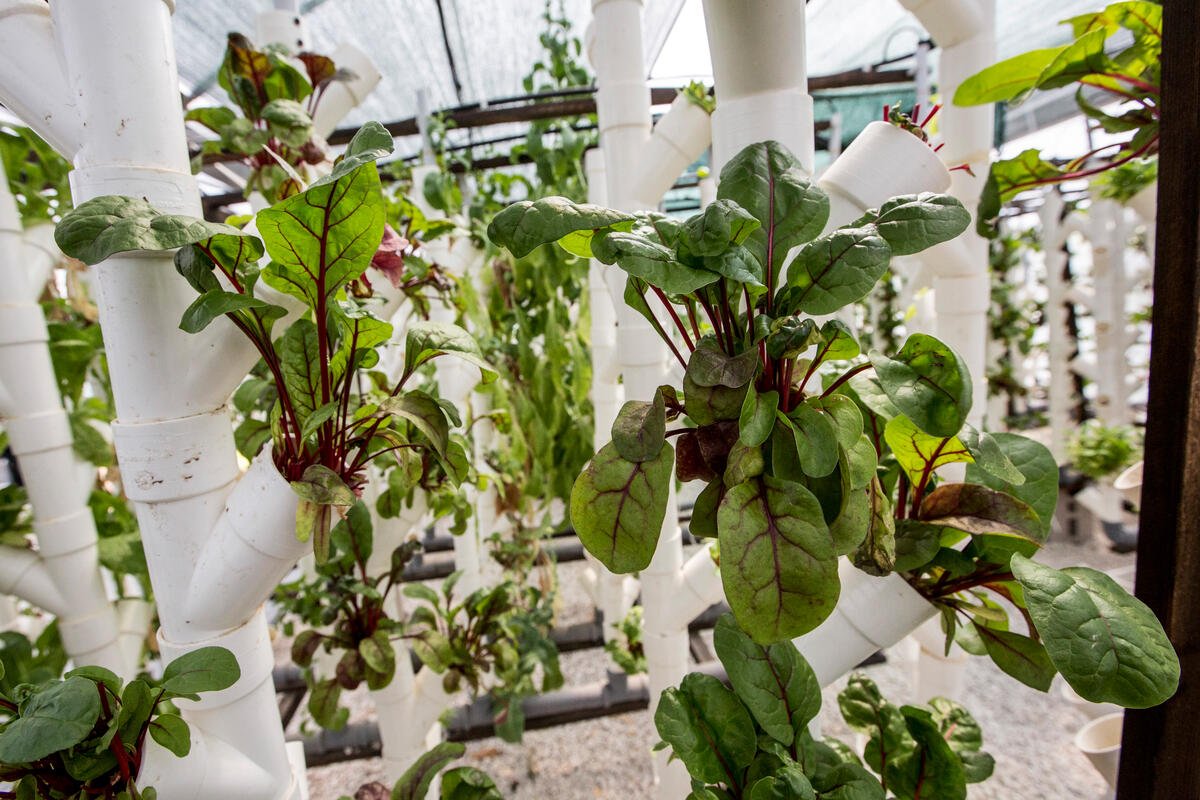
Within cities themselves, healthy soils remain surprisingly productive. Urban agriculture today provides nearly 10 per cent of the vegetables, legumes, and tubers consumed globally, supplying neighbourhood markets with fresh, safe, and nutritious produce. Gardens, peri-urban fields, rooftop farms, and community plots are becoming essential components of urban socio-economic systems, generating income streams and green jobs.
FAO points to integrated land-use planning, compact urban design, and systems like the City Region Food System (CRFS) as models for safeguarding soils and embedding food production into the urban blueprint. By strengthening the rural–urban food corridor, cities can expand sustainably while keeping nutritious food within reach of rapidly growing populations.
Healthy Soils Are a Climate Buffer for Cities
Cities are epicentres of pollution—from traffic, industry, waste, and wastewater—which can accumulate in soils and threaten public health if left unmanaged. Identifying, remediating, and restoring contaminated urban soils is now a frontline environmental priority.
Just as important, healthy soils underpin the green infrastructure that keeps cities cooler, safer, and more adaptable. Soil-supported vegetation absorbs less heat than asphalt, moderating temperatures during extreme heat events. They also absorb rainwater, reduce flood risk, and minimise landslides—natural functions that become increasingly critical as climate volatility rises.
Yet as development intensifies, soil sealing—covering land with concrete—continues to strip cities of this natural climate defence. Expanding tree pits, green corridors, and open spaces can reverse this trend, delivering cooling effects, promoting biodiversity, and helping cities sequester more carbon.
Soils Are a Public Health Asset Hidden in Plain Sight
Healthy soils are the base layer for the parks, forests, gardens, and tree-lined avenues that shape liveable cities. Their benefits extend far beyond aesthetics.
Growing evidence shows that exposure to green spaces reduces stress, anxiety, and depression. Trees and parks encourage movement, restore mental well-being, and create pockets of calm in high-density environments. In essence, when soils thrive, cities become healthier—not just ecologically, but emotionally and socially.
Urban planners and public-health leaders are increasingly converging on this truth: soil health is human health.
Soil Health is the Missing Link in Circular Urban Waste Management
Cities generate roughly 70 per cent of global waste, much of it organic and poorly utilized.
Reintegrating that bio-waste back into soils—through compost, biochar, or insect-based bioconversion such as black soldier fly systems—closes the loop and strengthens urban food systems.
Returning nutrients to the ground not only reduces landfill pressure but also enriches urban soils, boosts productivity of urban farms, and makes city landscapes greener and more resilient. It is a circular economy strategy with outsized environmental and economic payoff.
FAO’s Green Cities Initiative: Re-engineering Urban Futures
FAO’s Green Cities Initiative aims to catalyse this shift—building vibrant, inclusive, climate-resilient cities that work for both people and nature. The Initiative calls for a fundamental redesign of how cities produce food, manage waste, plan infrastructure, and steward their natural capital.
Its thesis is simple yet transformative: sustainable cities begin with healthy soils.
By restoring this often-ignored resource, cities can unlock a cascade of benefits—stronger food systems, cleaner air, reduced climate risks, enhanced well-being, and a greener urban economy.
As urban leaders confront the twin pressures of climate change and population growth, soil health is emerging not as an afterthought, but as the invisible infrastructure shaping the cities of tomorrow.