Saturday, 11 July 2026

In a move that underscores India’s pivot toward technology-led development, the World Bank’s Board of Executive Directors has approved two major projects designed to improve learning outcomes in Punjab and accelerate climate-resilient, digitally enabled agriculture in Maharashtra. Together, the initiatives—valued at a combined $776 million—are expected to benefit more than six million people. “Digital infrastructure has the potential to significantly drive economic development and poverty reduction by increasing efficiency, fostering innovation, and improving outcomes across essential sectors,” said Paul Proccee, Acting Country Director, World Bank India. “These projects reinforce the Government of India’s Viksit Bharat vision by expanding access to quality education and deploying advanced technologies to power crop productivity and farmer livelihoods.”
The first initiative, the Punjab Outcomes-Acceleration in School Education (POISE) program, backed by a $286 million World Bank loan, aims to overhaul the state’s learning ecosystem through deeper adoption of digital tools and data-driven pedagogy. The project is expected to enhance learning opportunities for 1.3 million primary students, 2.2 million secondary students, and 592,000 children in early childhood education. POISE will fund an upgrade of digital infrastructure across schools, including the installation of computer labs, tablets, and multimedia projectors, while embedding technology to track learning outcomes more effectively.
The larger intent is to strengthen school readiness, improve foundational literacy and numeracy, raise the quality of STEM education, and modernize pathways for seamless transition from school to higher education and employment. “Punjab has made substantial progress, but systemic gaps continue to slow the pace of reform,” said Meghna Sharma and Ragnvald Michel Maellberg, Task Team Leaders for the program. “POISE will reinforce continuity by strengthening pre-primary preparedness, teacher training, secondary-level skilling, and school management systems for long-term impact.” The loan has a final maturity of 19 years, including a five-year grace period.
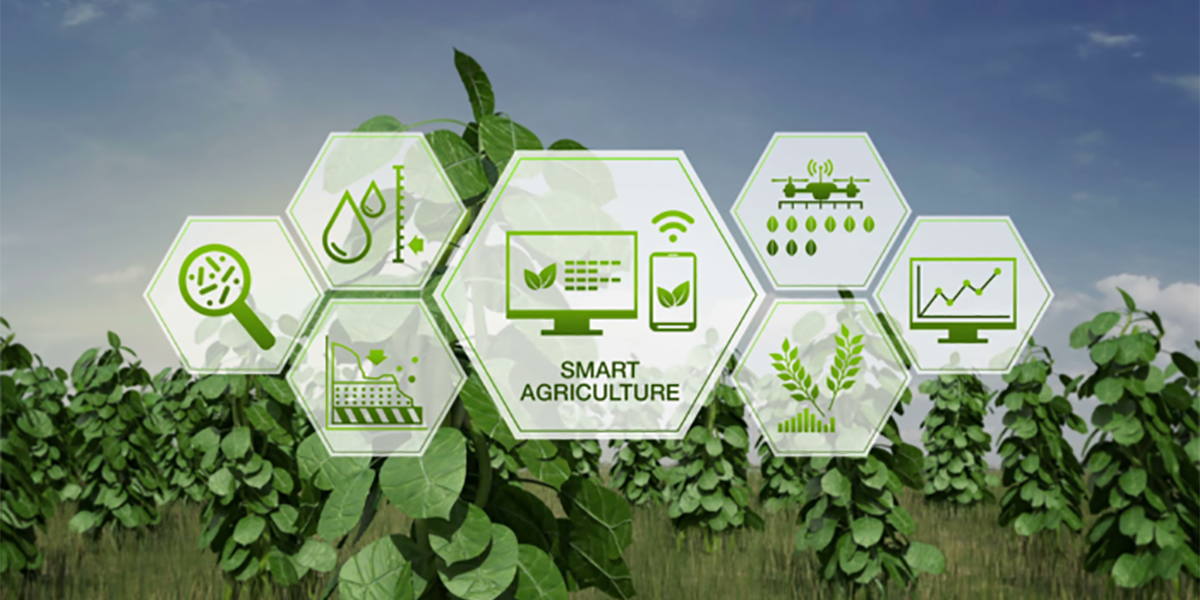
The second project, the Maharashtra Project on Climate Resilient Agriculture (POCRA) Phase II, represents a $490 million investment to scale up the state’s flagship climate-smart agriculture program. This phase pushes Maharashtra firmly toward precision farming by leveraging AI, remote sensing, and real-time data integration to boost productivity while conserving soil and water resources. More than two million small and marginal farmers, including 290,000 women, are expected to benefit from this upgrade, which aims to strengthen soil health, enhance nutrient management, and improve water-use efficiency.
Early projections estimate that these improvements could raise smallholder incomes by nearly 30 percent across 21 districts. “POCRA Phase II will unlock next-generation efficiencies across agriculture value chains,” said Ranjan Samantaray and Ademola Braimoh, Task Team Leaders for the project. “By integrating geospatial data, real-time monitoring, AI tools, and digital marketplaces, we are enabling farmers to access markets faster and with stronger bargaining power. The project will also empower community-based groups and agritech startups to drive locally tailored investments that enhance resilience and livelihoods.” The loan carries a 24-year maturity, including a six-year grace period, reflecting the long-term horizon required for climate adaptation and technological transformation in agriculture.
Taken together, the two projects signal growing international confidence in India’s ability to scale digital public infrastructure across complex sectors. As states integrate high-frequency data systems, advanced monitoring tools, and community-owned digital platforms, the World Bank’s latest approvals mark a decisive step in India’s push toward a more productive, equitable, and climate-resilient future.