Saturday, 18 July 2026

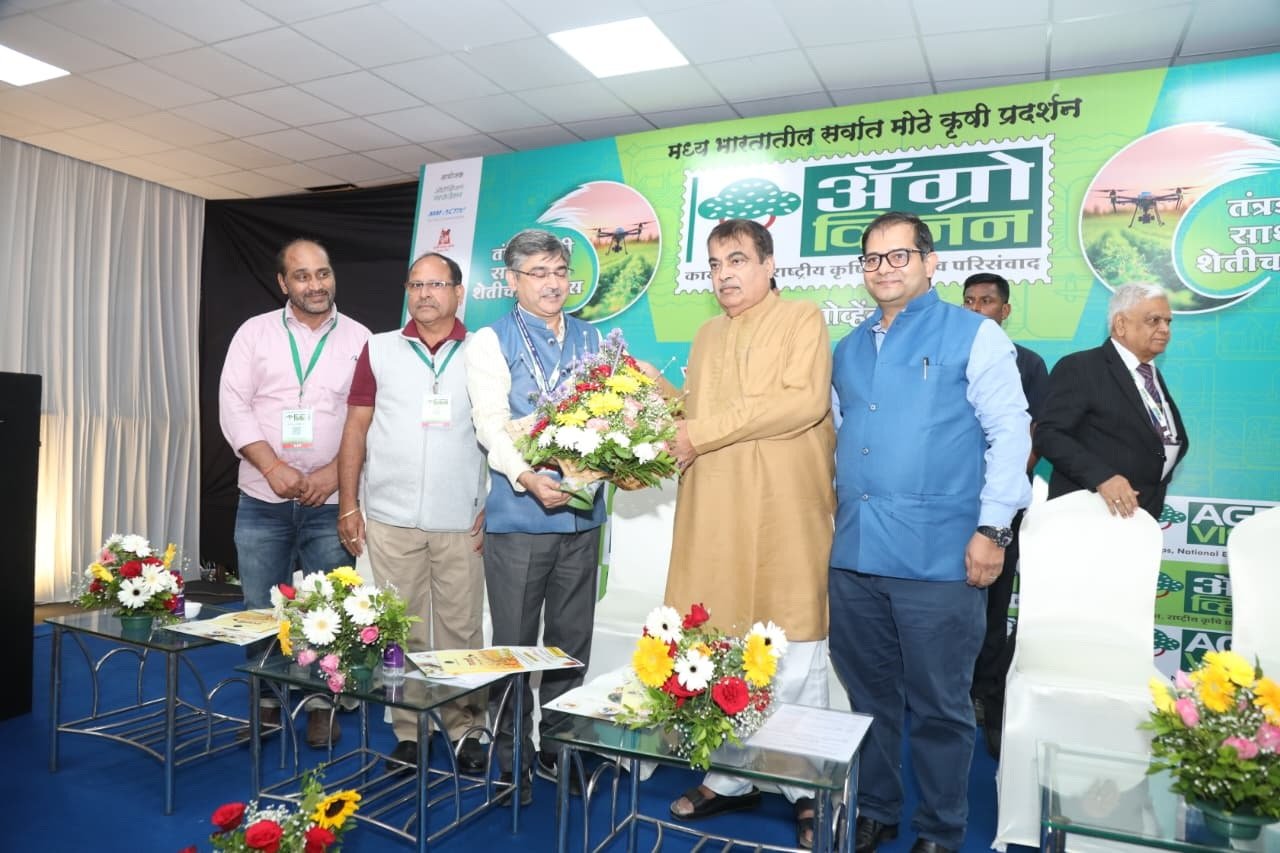
While India has to import oilseeds due to low production, a National level Seminar on ‘Scientific Honeybee keeping integrated with Oilseed Mission’ has opened up new income opportunities with increased yield of oilseeds for farmers held at the 16th edition of Agrovision. The Programme was sponsored by National Bee Board under National Beekeeping and Honey Mission.
Nitin Gadkari, Union Minister for Road Transport and Highways was the chief Guest on this occasion. Dr. C. D. Mayee, Advisor, Agro Vision Foundation, Nagpur, Dr Ashutosh Murkute, Director General, ni-msme, Dr. Shreekant Sharma, Director, SEE, V.B. Rajendra Prasad, F.M. SEE and Dr. Shirish Prabhakar Kulkarni, Hindi Translator, ni-msme and Sanjay Marne, Asst. Forest Officer (Retd.) shared the dais.
Shreekant Sharma, Director, School of Entrepreneurship and Extension (SEE), ni-msme informed the audience about the importance of honeybees in cross-pollination in oil seed crops. He highlighted efforts of ni-msme in training and supporting of MSMES in India as well as in other countries. He also highlighted the efforts of ni-msme in creating awareness among farmers, women, unemployed youths for beekeeping programmes being conducted with support and sponsorship of National Bee Board under National Beekeeping and Honey Mission.
Sharma said that 75 per cent of food crops benefit from animal pollination and honey bees are the most effectively managed pollinators. India meets 55 to 60 per cent of its edible oil needs via import which includes palm, soyabean and sunflower.
“Oilseed crops like Mustard, Sunflower, Safflower and Niger show an increase in yield from 30 to 100 per cent with adequate bee visitation. Pollination improves seed set, oil content, uniform maturity and seed quality that translates to higher farm income”, he observed.
The Scientific Honeybee keeping integrated with Oilseed Mission will not only increase the yield of oil seeds but also provide additional income to farmers through bee keeping, he added.
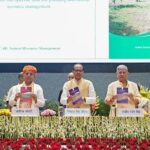
Nitin Gadkari, Union Minister for Road Transport and Highways unveiled “The Indian Patents and Designs Act, Rules and Procedures- A handbook for IP professionals and Entrepreneurs by NIMSM”, during the event.
While highlighting the role of MSME Ministry in disseminating information about allied industry and new business opportunities for farmers in Vidarbha region, Gadkari said, “The MSME ministry is playing a vital role in creating awareness about allied industry, technology and marketing skills among farmers. Vidarbha region has ample forest land in Melghat and Gadchiroli areas which can be effectively used for bee cross-pollination for increasing crop yield and development of value-added products from bee keeping. This will definitely channelise the growth of the rural economy in Vidarbha region.”
In presidential address Dr. Ashutosh Murkute, D.G. ni-msme said with financial assistance of the National Bee board, various training programmes and District Level, State Level and National Level Seminars are being conducted by ni-msme throughout India. He also highlighted the efforts being made by the Ministry of MSME, Govt. of India under various schemes to provide assistance for entrepreneurs as well as unemployed youth and women. He requested all participants to attend the seminar and acquire the knowledge of beekeeping.
Addressing as a guest speaker, Sanjay Marne, Asst. Forest Officer (Reted), Pune highlighted the necessity of beekeeping for food security. He focused on role of honeybees for pollination of Oil seeds crops, fruits etc. He also highlighted Scientific Beekeeping and efforts of NBB.
Dr Shirish Kulkarni, NIMSME Hyderabad explained the benefits of honeybee cross-pollination in increasing the yield of vegetable and fruit crops such as bottle gourd, gherkin, watermelon, apple, mango, guava, pomegranate and cashew.
Scientific Honeybee keeping integrated with the Oilseed Mission action plan involved a cluster approach that which co-locate apiaries with oilseed clusters (mustard, sunflower, groundnut and Sesame) timed to bloom calendars. It also includes pollination contracts for Farmer Producer Organisations (FPOs), cooperative broker bee-pollination services and standard packages that includes colonies/ acre, placement and timing.
“India is among the top honey producers with exports in more than 80 countries with US as a major destination and country has scope to expand value- added products (comb honey, infused /floral verticals, propolis extracts, cosmetics and nutraceuticals markets through the bee keeping”, said Kulkarni.
On the second day of seminar, Prof. Shikhin Kolhe, conducted a session on the subject ‘Entomology and body functions of Honeybee’. He has given detailed explanation on the species of various bees and difference between Honeybees and normal bees. Vikas Kshirsagar, Master Beekeeper of KVIC, Nagpur explained seasonal maintenance of bee colony and various products of bees as well as byproducts of Honey, Wax, Royal Jelly etc.
On second day Dr. Shreekant Sharma, Director, SEE, conducted session on the subject Schemes for Beekeepers by Govt. of India, State Government and Registration at Madhu Kranti Portal. Mr. Vijaya Bhagat, Beekeeper, Nagpur made presentation on the subject Apiculture products and value-added products, (Honey, Pollen, Beeswax, Propolis and Royal Jelly) Bee colonies Selling and facilitation for pollination. Dr. Ashish Kumar Jha, expert of stingless bees, conducted a session on the subject ‘Stingless Bees and Apiculture’. V.B.R. Prasad, FM, SEE, ni-msme, presented on business plan to tap Domestic and International Market, Financial Viability, Profitability, SWOT for Beekeeping projects. Anand Jakkulwar, Nagpur, member of Agro Vision foundation shared his experience to become a successful Beekeeper. Dr. Pallewar Gopal, Expert on Apis dorsata, Wardha (Maharashtra) shared the knowledge of Handling of wild bees (Apis Dorseta).