Tuesday, 14 July 2026

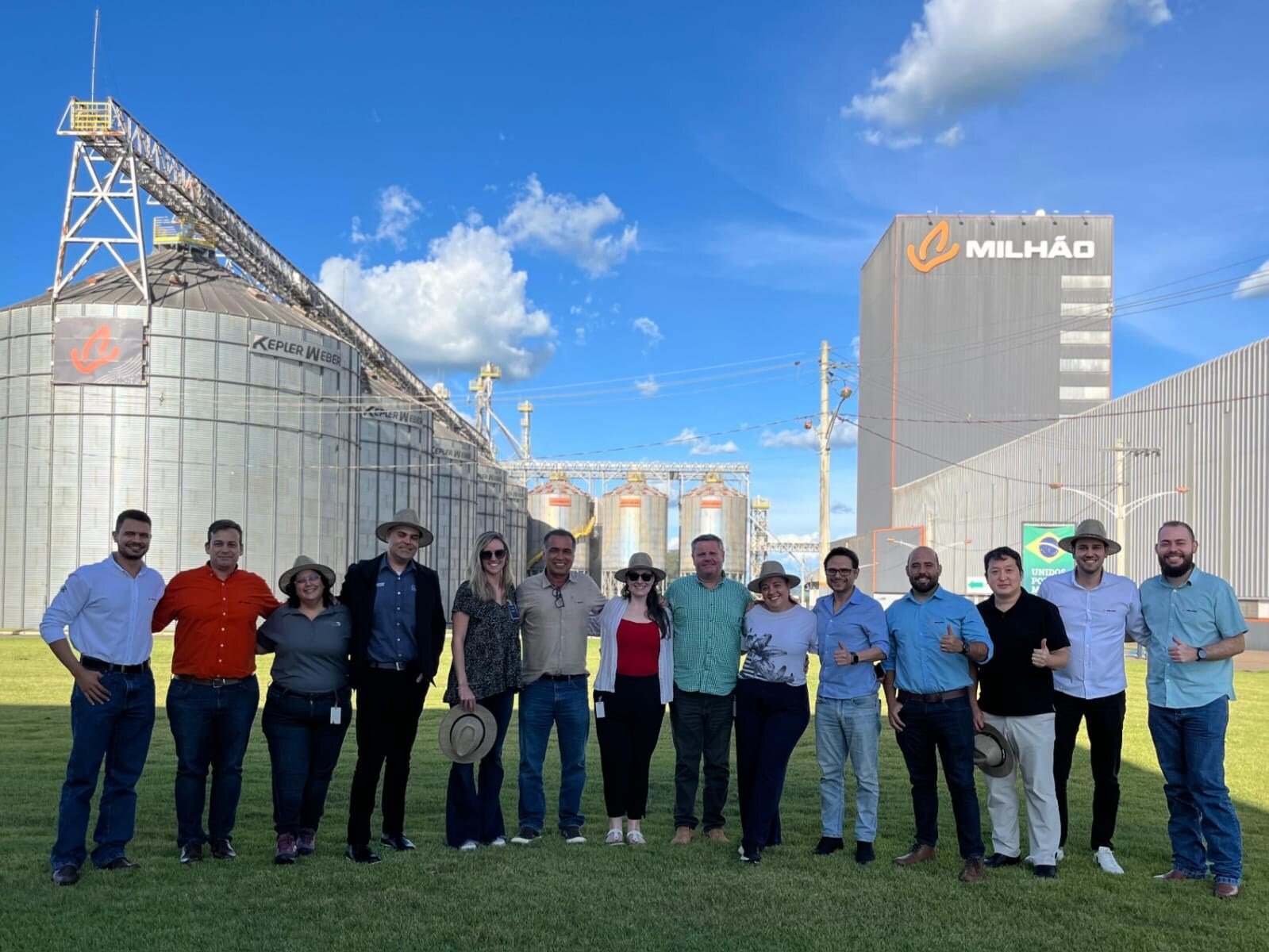
In a decisive step toward reshaping how global food companies secure their raw material pipelines, PepsiCo, in collaboration with Griffith Foods and Milhão, has unveiled a direct farmer incentive program in Brazil’s Cerrado. The region is one of the world’s most vital agricultural frontiers and home to extraordinary biodiversity that is increasingly under threat. The initiative marks a crucial shift in regenerative finance as corporate supply chains confront the realities of climate risk.
The Cerrado produces over 60 percent of Brazil’s soybeans and a significant share of the country’s corn, anchoring global protein and processed food supply chains. Yet it is also a biome experiencing escalating stress from land conversion, soil depletion, and erratic weather. For PepsiCo, the region represents one of its highest-impact sourcing zones. Ensuring its ecological endurance is now strategically synonymous with securing future snack production.
The new pilot advances a hybrid economic framework combining Payment for Practice with Payment for Outcomes. Farmers will receive upfront financial support to adopt regenerative methods such as composting, greater use of biological and organic inputs, and reductions in chemical fertilizer dependence. As crops mature, producers will be compensated again based on measurable indicators including lower agrochemical applications and demonstrated improvements in soil health. The program is designed to eliminate the early-stage financial jeopardy that has long discouraged farmers from transitioning to more sustainable systems.
According to Thais Souza, Sustainability Lead for PepsiCo Brazil, the initiative responds directly to the most stubborn barrier facing regenerative agriculture adoption: economic uncertainty. Facilitating practice change is only credible when producers do not shoulder all the risk. By directly incentivizing environmental outcomes, the model seeks to simultaneously improve soil resilience, reduce greenhouse gas emissions, and stabilize production under climate stress.
The pilot spans 7,000 acres in its first year, with plans to scale to 30,000 acres by year three. That footprint would represent PepsiCo’s full corn sourcing volume in the Cerrado. Investment through the collaboration is expected to reach $1 million over three years, co-funded by PepsiCo and Griffith Foods with additional contributions from Milhão. As interest builds from surrounding agricultural partners, the collaborators believe they are demonstrating how to align commercial objectives with a pre-competitive sustainability ethos.
Nicholas Costa, Regional Sustainability Director for Griffith Foods Central & South America, emphasized that the partnership is part of a broader transformation within the company’s climate commitment. Moving beyond the long-held “do no harm” mindset, the goal is to restore soils, strengthen communities, and leverage business ambition as a catalyst for ecological recovery. He noted that shared financing and aligned aspiration between major food sector players can unlock a systemic shift that no single company could initiate alone.
For Milhão, one of Brazil’s leading corn specialists, the program reinforces the importance of bringing farmers into the center of sustainability design rather than making them passive recipients of policy or procurement mandates. Trust and financial credibility are essential in regions where decades of policy volatility have conditioned growers to minimize risk exposure at all costs.
A key component of the program is its integration with PepsiCo’s Climate Resilience Platform. This open-access planning tool identifies high-impact interventions suited to local climate scenarios, enabling region-specific regenerative recommendations that aim to protect long-term yields, stabilize soils, and build drought endurance. Translating that intelligence into direct farm economics is what differentiates this pilot from earlier sustainability projects that leaned too heavily on voluntary behavior rather than structural incentive reform.
JP Cavalcanti, Senior Director and Market Supply Officer for PepsiCo Brazil Foods, called the move far more than an experiment. By demonstrating financial pathways that make regenerative agriculture both technically viable and economically rewarding, the pilot can serve as a template for the broader food system. Cavalcanti extended an industry-wide invitation for competitors and partners alike to join a model that benefits farmers, ecosystems, and future ingredient security.
The significance of this launch stretches beyond a single corporate sourcing zone. As food multinationals race to secure climate-proofed production, the Cerrado could become a proving ground for whether regenerative agriculture transitions can scale when risk is redistributed and outcomes are monetized. PepsiCo has pledged to spread regenerative practices across 10 million acres globally by 2030. Achieving that ambition will require approaches that change not only agronomy but the financial logic that underpins agricultural decision-making.
What happens on 7,000 acres of experimental corn fields in Brazil may shape how the global food system withstands the next decisive decades of climate pressure. If the economics of regeneration finally align with the economics of production, the Cerrado may offer the first evidence that sustainability and security can grow from the same soil.