Friday, 26 June 2026

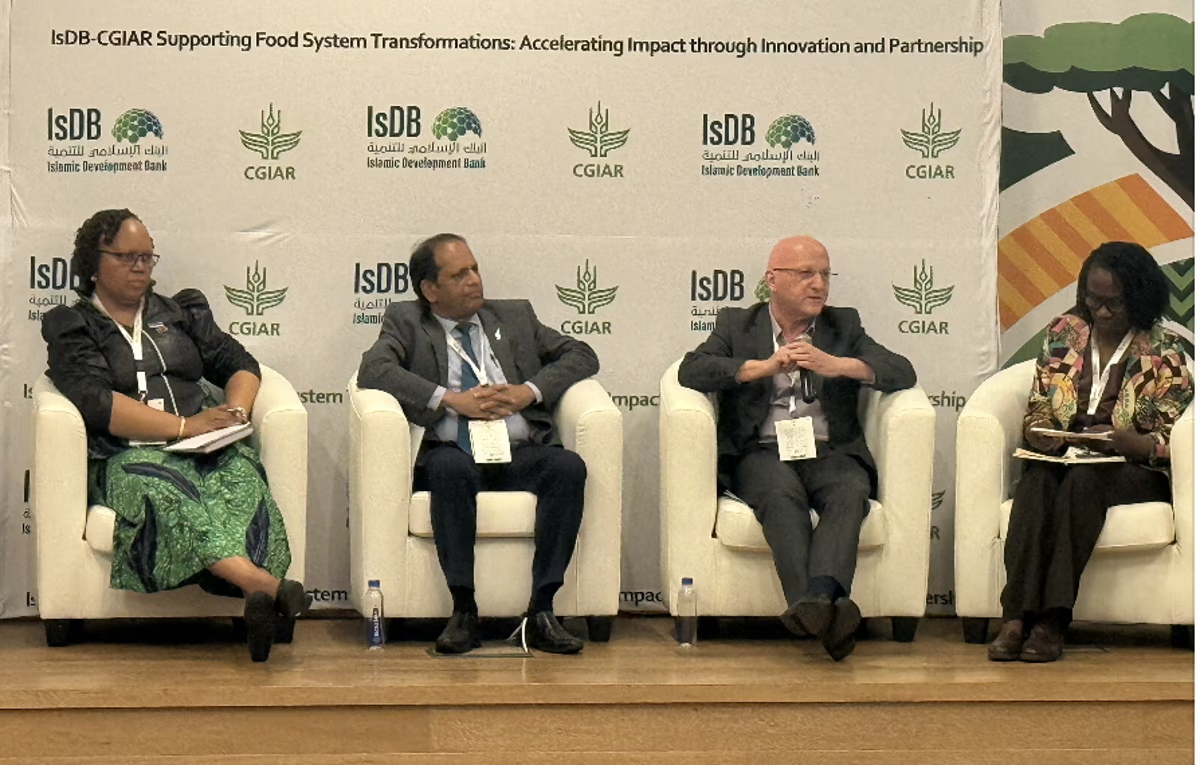
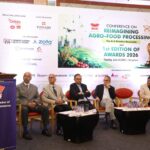
The Islamic Development Bank (IsDB) and the Consultative Group on International Agricultural Research (CGIAR) convened a high-level session at the Africa Food Systems Forum (AFSF) 2025 in Dakar, Senegal on 2 September 2025, under the theme “IsDB–CGIAR Supporting Food System Transformations: Accelerating Impact through Innovation and Partnership.” The session showcased how science-driven solutions, co-financing, and government partnerships are reshaping Africa’s food systems and accelerating the continent’s journey toward resilience and sustainability.
The event was organized in close collaboration with CGIAR centers including the International Crops Research Institute for the Semi-Arid Tropics (ICRISAT), the International Livestock Research Institute (ILRI), the International Potato Center (CIP), the International Institute of Tropical Agriculture (IITA), the Africa Rice Center (Africa Rice), and the Center for International Forestry Research and World Agroforestry (CIFOR-ICRAF). Together, the centers demonstrated how innovation, research and multi-stakeholder collaboration can transform food systems at scale.
The Ministry of Agriculture of Senegal, represented by Dr. Boubacar Drame, Technical Advisor, set the tone for the high-level dialogue with a welcome address that underscored the urgency of building resilient and inclusive food systems across the continent. His remarks framed the discussions around the pressing need to bridge policy ambition with on-ground innovation.
This was followed by the Islamic Development Bank (IsDB), which presented the program design and its broader vision for Africa’s agricultural future. IsDB emphasized the centrality of CGIAR technologies and expertise in transforming the food security landscape, positioning science-driven partnerships as the backbone of sustainable agricultural growth.
Bringing in a regional lens, Uganda’s Government representative, Assumpta Tibamwenda, Technical Advisor, shared lessons from the Local Economic Growth Support (LEGS) Program. This flagship initiative demonstrated how strategic partnerships can drive community-based economic transformation, linking national policy priorities directly with grassroots action and delivering measurable impact at scale.
Guiding the thematic conversations, two leading voices stepped in as moderators. Dr. Namukolo Covic, ILRI Director General’s Representative to Ethiopia, led the dialogue on transforming value chains, while Dr. Stanford Blade, Deputy Director General for Research and Innovation at ICRISAT, steered audience interventions and framed opportunities for scaling science-based solutions through partnerships. The discussions brought together representatives from research institutions, multilateral development banks, governments, and the private sector, reinforcing how investment, innovation, and trade can unlock growth opportunities in critical value chains such as millet, sorghum, potato, and livestock. Inputs from stakeholders ensured the dialogue seamlessly connected lessons learned with concrete pathways for action.
Throughout the session, panelists emphasized the role of climate-smart innovations and resilient food system models, encouraged dialogue to mobilize co-financing from multilateral partners, and engaged member-state governments to align programs with national priorities. They also highlighted how strengthening partnerships can accelerate value-chain approaches, enhance regional trade, bolster food security, and create meaningful employment for youth in agrifood systems.
The momentum culminated in a Thought Leaders’ Dialogue featuring Dr. Himanshu Pathak, Director General of ICRISAT; Dr. Simone Heck, Director General of CIP; and Dr. Siboniso Moyo, Deputy Director General for Partnerships & Impact at ILRI. The discussion reflected on the transformative power of partnerships such as IsDB–CGIAR in accelerating food system transformation, underscoring that science, policy, and finance must converge to deliver resilient, inclusive, and future-ready agriculture for Africa.