Friday, 29 May 2026

Chinese authorities reportedly reject several consignments of Indian non-basmati rice, citing GMO presence; India firmly denies allegations and reaffirms absence of GM rice cultivation
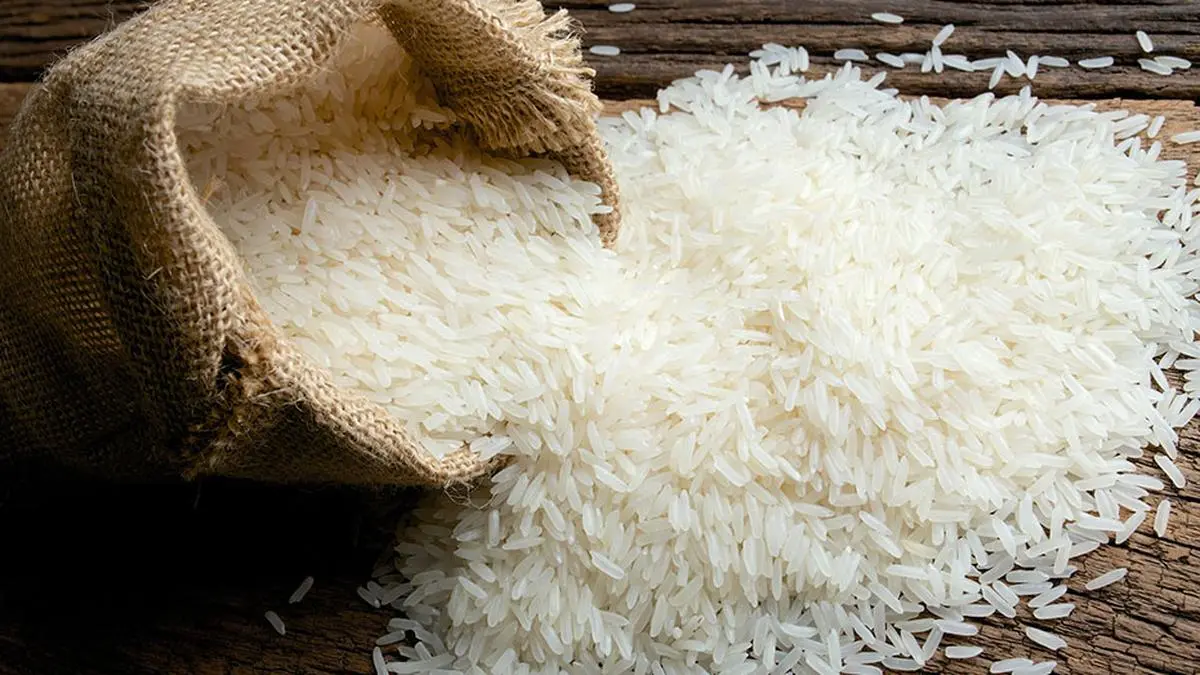
China has reportedly rejected several consignments of Indian non-basmati rice, citing alleged traces of genetically modified organisms (GMOs)—a claim strongly disputed by Indian authorities. The repeated rejections have heightened concerns over growing trade frictions between India and China, even as official Indian statements reaffirm that no genetically modified rice is cultivated in the country.
According to trade sources tracking the developments, 4–5 recent shipments were turned away, adding to earlier rejections in March involving three consignments. The incidents have occurred despite prior inspection and certification by the China Certification & Inspection Group (CCIC), a Chinese state-owned agency responsible for pre-shipment verification.
Indian regulatory bodies have categorically reiterated that genetically modified rice is not approved for cultivation in India. The Genetic Engineering Appraisal Committee (GEAC) has not authorized any GM rice varieties, while the Indian Council of Agricultural Research (ICAR) has confirmed that no GM rice is recommended for commercial production. The Ministry of Environment, Forest and Climate Change has also formally stated that GM rice cultivation is not permitted in the country.
Industry observers estimate that nearly 70 consignments have faced rejection in recent months, raising concerns among exporters about increasing non-tariff barriers and regulatory uncertainty in bilateral agricultural trade.
In other regional developments, rice-producing economies are reporting varied outlooks. In Indonesia, production is expected to remain stable despite potential disruptions from El Niño-related weather conditions, supported by preparedness measures and resilient output forecasts.
Meanwhile, Sri Lanka and Vietnam have expanded agricultural cooperation to develop salt-tolerant rice varieties aimed at improving climate resilience in vulnerable coastal regions.
Together, these developments reflect a rapidly evolving global rice landscape shaped by trade tensions, climate volatility, and accelerating innovation in crop science across Asia’s key agricultural economies.