Thursday, 28 May 2026

Government accelerates district-level preparedness, crop diversification and seed security measures amid monsoon uncertainty
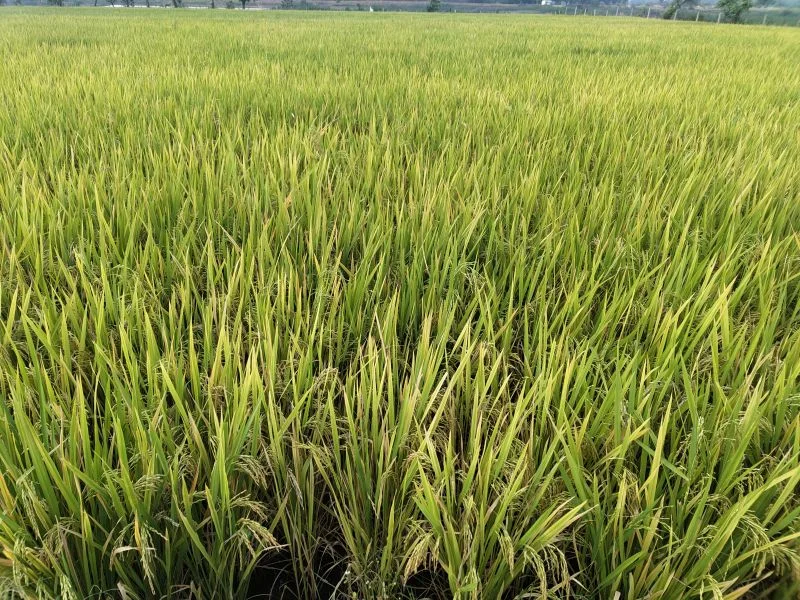
The Government of India has intensified preparations to shield the upcoming kharif season from potential disruptions linked to the emerging El Niño weather pattern, as policymakers move to strengthen agricultural resilience against a possible below-normal monsoon.
The Ministry of Agriculture is currently formulating district-specific contingency plans, identifying alternative cropping strategies and ensuring adequate seed availability in regions considered vulnerable to climatic stress. The preparedness exercise comes amid forecasts indicating a likely return of El Niño conditions during the ongoing agricultural cycle.
According to the India Meteorological Department (IMD), southwest monsoon rainfall for 2026 is projected to remain below normal at 92 per cent of the long-period average. Global weather agencies, including the World Meteorological Organization (WMO) and the US National Oceanic and Atmospheric Administration (NOAA), have also flagged the increasing probability of El Niño conditions developing between May and July and continuing through the year.
El Niño is typically associated with reduced rainfall and elevated temperatures across India, creating significant risks for rain-fed agriculture, water availability and rural economies.
Even as climatic concerns intensify, the government remains optimistic about India’s broader agricultural performance. The country is projected to achieve record foodgrain production of 376.56 million tonnes during the 2025–26 crop year, marking a substantial increase over the previous season.
The National Kharif Conference additionally highlighted the urgent need for structural crop diversification. Agricultural policymakers and scientists emphasised that India’s long-term food security strategy must gradually reduce excessive dependence on rice cultivation while expanding domestic production of pulses and oilseeds to improve nutritional and import self-reliance.
Discussions at the conference also drew attention to mounting concerns around excessive fertiliser usage across several agricultural districts. Experts stressed the need for nutrient-efficient crop breeding, improved soil health management, precision agriculture practices and wider integration of biological and organic inputs into farming systems.
Seed quality and timely distribution emerged as another major policy priority. Agricultural experts noted that access to certified, high-quality seeds could significantly improve productivity levels across multiple crop categories, particularly under increasingly volatile climatic conditions.
The government is simultaneously accelerating efforts to strengthen India’s agricultural data ecosystem to support AI-enabled interventions, predictive crop management systems and digital farming platforms aimed at improving decision-making at both farm and policy levels.
Alongside climate preparedness measures, officials have also intensified monitoring against counterfeit seeds, fertilisers and pesticides, while expanding initiatives linked to Kisan Credit Cards, Farmer IDs and broader agricultural financial inclusion.
The latest developments signal a broader shift toward climate-resilient agriculture, integrated risk management and sustainability-led policy planning as India navigates rising weather volatility and evolving food security challenges.