Tuesday, 23 June 2026

Partnership targets nearly 400,000 acres of farmland as companies accelerate climate-smart crop production across Europe
PepsiCo and Fertiberia have announced a long-term strategic collaboration aimed at accelerating the adoption of low-carbon fertiliser solutions across Europe, marking a major push toward decarbonising large-scale agricultural supply chains.
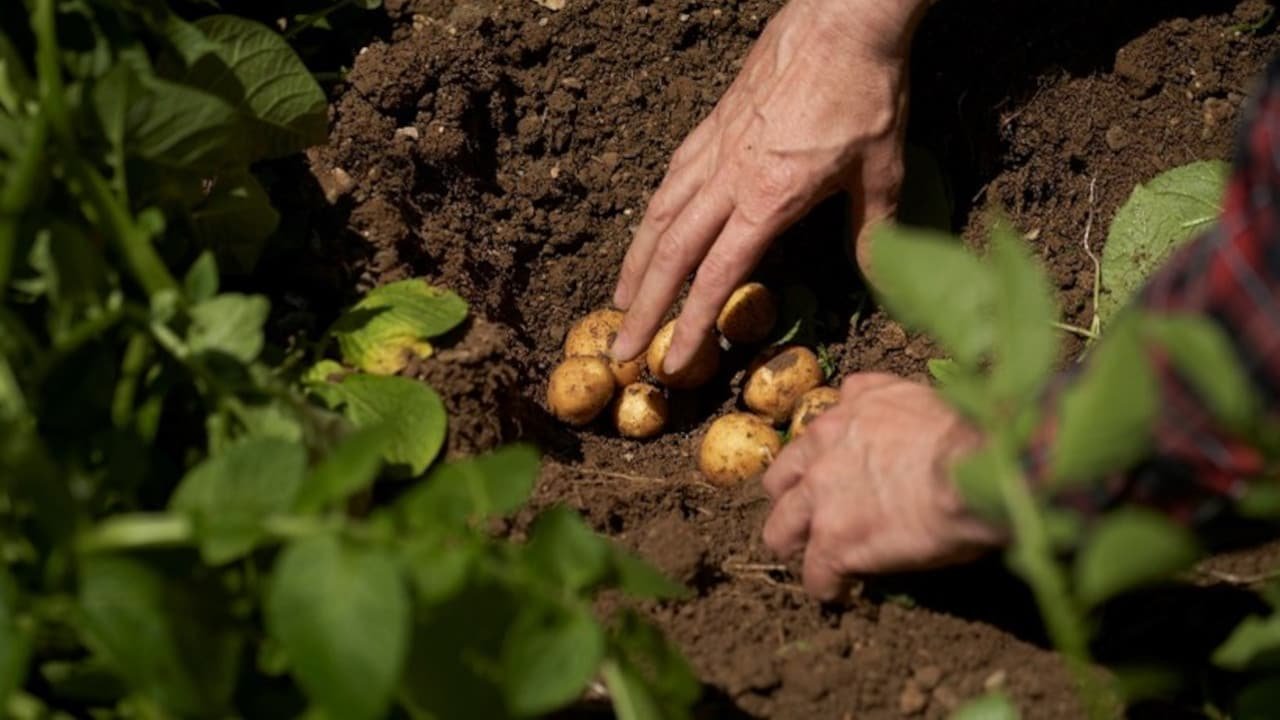
Under the agreement, Fertiberia will progressively supply up to 150,000 tonnes annually of its green hydrogen-based fertiliser solutions to PepsiCo by 2030. The initiative is expected to support farming operations across approximately 400,000 acres (162,000 hectares) cultivating key crops including potatoes, corn, sunflower, sugar beet and rapeseed — critical raw materials used in PepsiCo brands such as Lay’s, Doritos, Ruffles and Cheetos.
The programme will initially expand across France, Romania, Serbia, Greece and Turkey, while strengthening ongoing deployments in Spain and Portugal. Additional European market expansion is also under consideration.
The collaboration follows successful pilot projects conducted in Spain and Portugal, where the adoption of low-carbon fertiliser solutions reduced greenhouse gas emissions from potato farming by up to 15 per cent and from corn farming by up to 20 per cent.
Fertiberia’s fertiliser platform is produced using green hydrogen instead of conventional natural gas, enabling greenhouse gas emission reductions of up to 63 per cent during production. The solutions additionally incorporate advanced agronomic technologies, including slow-release nutrient formulations and biological nitrification inhibitors designed to improve nutrient efficiency, minimise nitrogen loss and optimise crop performance.
Combined with PepsiCo’s broader supplier transition strategy, the partnership is expected to result in nearly 50 per cent of fertiliser used across PepsiCo’s European agricultural supply chain originating from low-carbon sources by 2030.
The initiative comes amid growing global pressure on food and agriculture companies to decarbonise supply chains and address emissions linked to fertiliser production and use, which currently account for approximately 2 per cent of global greenhouse gas emissions. Within PepsiCo’s European potato supply chain alone, fertilisers reportedly contribute nearly half of the average crop carbon footprint.
Beyond fertiliser deployment, the programme will also provide farmers with technical support, digital advisory tools and precision agriculture technologies aimed at improving nutrient application efficiency and monitoring regenerative farming practices.
The collaboration aligns with PepsiCo’s broader sustainability agenda, including its commitment to implementing regenerative, restorative or protective agricultural practices across 10 million acres globally by 2030, alongside targeted reductions in Scope 3 forest, land and agriculture emissions.
Industry observers view the partnership as part of a wider transition underway in European agriculture, where food companies, input manufacturers and farmers are increasingly collaborating to integrate climate-smart technologies, emissions reduction frameworks and digital agriculture into mainstream crop production systems.
As low-carbon agricultural inputs gain momentum, the PepsiCo-Fertiberia alliance signals a growing shift toward integrated sustainability-led procurement models capable of linking climate action, food security and long-term supply chain resilience.