Tuesday, 23 June 2026

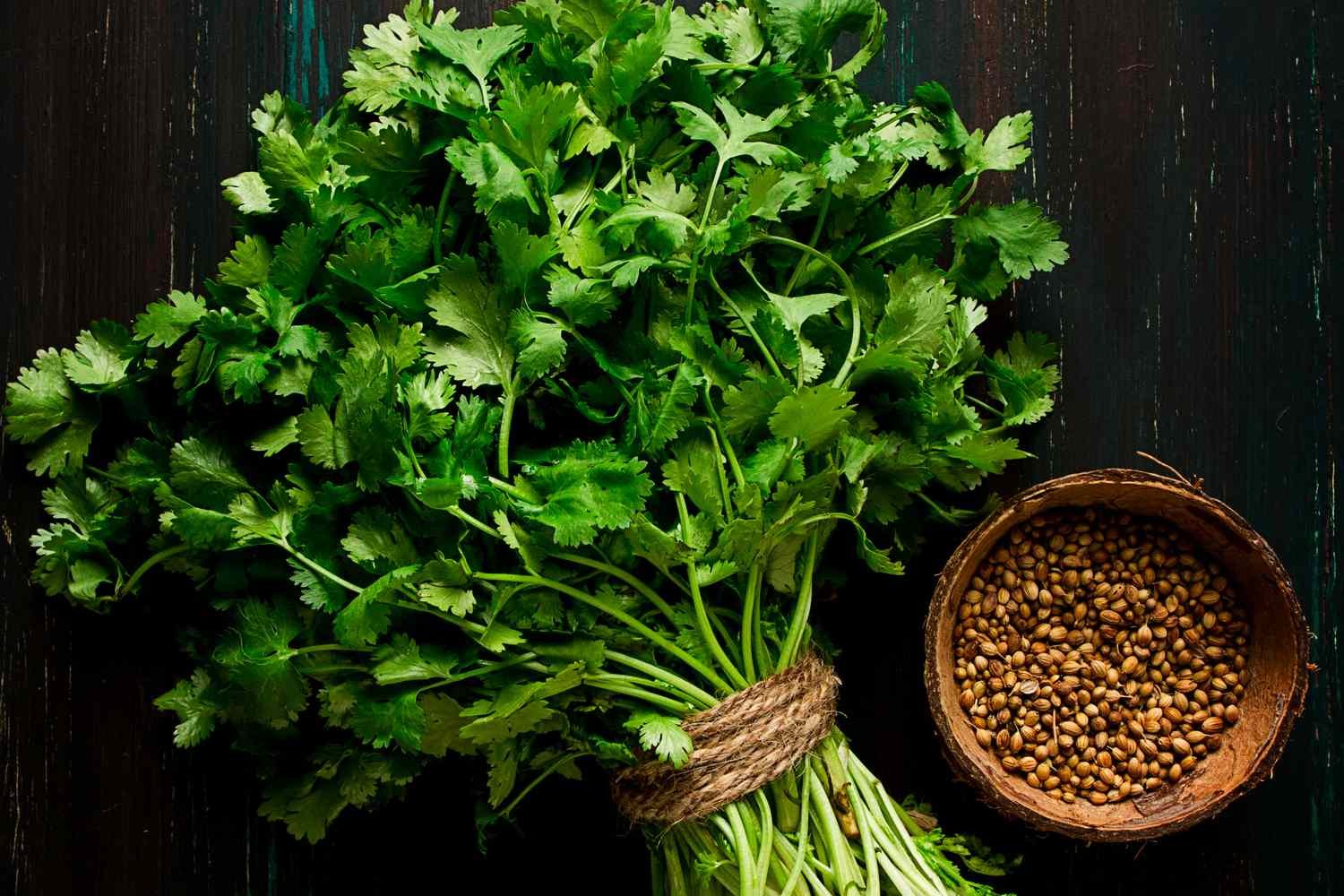
Massive arrivals in Maharashtra softened prices sharply, even as premium southern markets traded above Rs 10,000 per bundle
India’s wholesale coriander leaves market displayed striking regional price disparities on May 8, 2026, as arrivals fluctuated across major agricultural mandis and urban vegetable markets, according to the latest daily agricultural produce arrival and pricing data compiled from regulated markets nationwide. The market reflected a combination of localized supply constraints, strong retail demand in urban consumption centers, and varying harvesting cycles across producing regions, resulting in coriander prices ranging from as low as Rs 15 per bundle in parts of Maharashtra to as high as Rs 15,600 per bundle in Madhya Pradesh.
Southern India emerged as the dominant high-price region for coriander leaves trading activity, particularly across Tamil Nadu’s extensive Uzhavar Sandhai network, where modal prices consistently traded between Rs 4,000 and Rs 12,500 per bundle. Tuticorin recorded one of the highest modal prices in the state at Rs 12,500 per bundle, while Paramathivelur in Namakkal district reported Rs 11,900 per bundle and Dharmapuri markets traded near Rs 11,800 per bundle. Major consumption markets including Madurai, Theni, Sivaganga, and Virudhunagar also maintained elevated price levels ranging from Rs 8,500 to Rs 11,500 per bundle, indicating strong retail and institutional demand amid controlled arrivals.
Kerala recorded among the country’s highest state-level coriander prices, with North Paravur APMC in Ernakulam district reporting modal prices of Rs 14,800 per bundle. Similarly, Madhya Pradesh markets demonstrated exceptionally firm pricing, with Maksudangarh APMC in Guna district reporting modal prices of Rs 15,600 per bundle and Biaora APMC in Rajgarh district trading at Rs 13,000 per bundle. Analysts attributed these unusually high valuations to limited arrivals, premium quality produce, and tighter regional supply conditions.
In contrast, western India displayed mixed market behavior. Gujarat markets largely traded in the moderate range, with Rajkot Vegetable Sub Yard APMC recording a modal price of Rs 2,085 per bundle against relatively large arrivals of 38.40 bundles, suggesting improved local availability. Navsari and Vadhvan markets traded between Rs 3,000 and Rs 3,750 per bundle, while Damnagar APMC reported Rs 5,500 per bundle despite negligible arrivals. Maharashtra exhibited the widest intra-state pricing variation. Shrirampur APMC and Patan APMC recorded some of the country’s lowest coriander prices at Rs 15 and Rs 17 per bundle respectively, supported by massive arrivals exceeding 4,700 and 13,500 bundles. Pune’s Moshi APMC reported modal pricing at Rs 28 per bundle with arrivals touching 16,600 bundles, underscoring abundant regional supply and lower wholesale stress in western production belts.
Northern markets remained comparatively stable. Haryana mandis traded largely between Rs 1,000 and Rs 3,200 per bundle, with Raipur Rai APMC in Panchkula district reporting Rs 3,200 per bundle. Punjab markets maintained moderate activity, with Ludhiana APMC recording Rs 1,500 per bundle and Patiala APMC trading at Rs 1,600 per bundle amid healthy arrivals. Rajasthan markets also reflected balanced supply-demand conditions, with Jaipur fruit and vegetable market recording Rs 1,750 per bundle and Sriganganagar trading at Rs 1,300 per bundle.
Himachal Pradesh continued to witness elevated coriander pricing due to hill-region transportation dynamics and lower arrival volumes. PMY Hamirpur recorded modal prices of Rs 6,500 per bundle, while Kangni Mandi in Mandi district traded at Rs 6,000 per bundle. Several smaller hill markets including Jaisinghpur, Palampur, and Chamba traded between Rs 4,500 and Rs 5,000 per bundle. However, Bhuntar market in Kullu district represented an exception, reporting comparatively lower pricing at Rs 1,800 per bundle despite arrivals reaching 200 bundles, among the highest recorded in the state.
Market observers noted that arrival quantities played a decisive role in price formation across regions. Markets with heavier arrivals, particularly in Maharashtra and select northern mandis, generally experienced softer prices, while low-volume urban retail-linked markets in southern India and central India witnessed aggressive price escalation. Tamil Nadu’s highly fragmented retail distribution structure and direct farmer-consumer trading ecosystem also contributed to localized price spikes in premium urban markets.
The day’s data reinforced broader concerns regarding vegetable price volatility and uneven supply chain distribution across India’s fresh produce ecosystem. Traders indicated that weather conditions, transportation costs, local harvesting schedules, and urban consumption demand continue to heavily influence short-term coriander pricing trends. Industry participants expect prices to remain volatile over the coming weeks as summer conditions tighten perishables supply chains in several southern and central Indian states.
The report is based on official mandi arrival and wholesale pricing data recorded on May 8, 2026, across regulated agricultural markets and farmer-consumer vegetable trading centers throughout India.