Thursday, 25 June 2026

Robust gains in maize, groundnut, blackgram, and oilseeds underscore evolving crop diversification trends and strengthening agricultural resilience
India’s summer cropping season has registered encouraging momentum during 2026, with total sown area reaching 81.60 lakh hectares as of May 1, reflecting a net increase of 2.60 lakh hectares over the corresponding period last year and reaffirming the resilience and adaptability of the country’s agricultural sector amid evolving climatic and market conditions.
Fresh agricultural coverage data indicates a broad-based expansion across key crop categories, particularly pulses, Shree Anna-cum-coarse cereals, and oilseeds, highlighting a gradual but significant diversification of India’s summer cultivation landscape.
Among major crop groups, pulses recorded a notable improvement, with area coverage increasing to 23.49 lakh hectares compared with 22.76 lakh hectares during the corresponding period in 2025. The expansion was led primarily by blackgram cultivation, which rose sharply to 4.20 lakh hectares from 3.58 lakh hectares last year, reflecting growing farmer preference for short-duration pulse crops with favourable market prospects and lower input intensity.
Greengram acreage remained broadly stable at 18.99 lakh hectares, while other pulse categories also registered incremental gains.
The Shree Anna-cum-coarse cereals segment emerged as one of the strongest performers during the current season, with total area coverage rising to 16.01 lakh hectares from 14.25 lakh hectares in the previous year — an increase of 1.77 lakh hectares. The expansion underscores the continued policy and market push toward climate-resilient cereals and nutritionally significant grains.
Within this category, maize accounted for the most substantial acreage growth, climbing to 10 lakh hectares compared with 8.50 lakh hectares during the corresponding period last year. Bajra cultivation also recorded healthy expansion, while ragi and small millet acreage displayed moderate but stable growth patterns.
Oilseeds likewise witnessed robust seasonal momentum, with area coverage increasing to 11.04 lakh hectares from 9.58 lakh hectares a year earlier. Groundnut cultivation emerged as the principal growth driver within the segment, registering a significant rise to 5.51 lakh hectares against 4.20 lakh hectares last year, reflecting strengthening demand fundamentals and improved farmer confidence in oilseed cultivation.
Sunflower and sesamum acreage also posted incremental gains, reinforcing the broader expansion trend within the edible oil ecosystem.
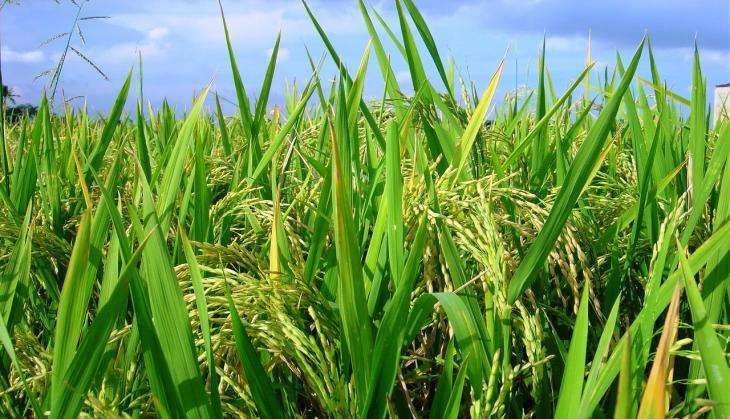
In contrast, rice acreage recorded a marginal decline during the current reporting period. Summer paddy cultivation stood at 31.05 lakh hectares compared with 32.42 lakh hectares during the same period last year, indicating a reduction of 1.36 lakh hectares. The moderation may reflect regional shifts toward alternative crops offering lower water intensity and improved economic returns amid increasing emphasis on resource-efficient agriculture.
Despite the slight decline in rice acreage, the overall summer cropping landscape remains firmly expansionary, supported by stronger diversification into pulses, millets, and oilseeds — sectors increasingly viewed as critical for nutritional security, climate resilience, and import substitution.
Agricultural analysts note that the current sowing trends align closely with India’s broader strategic emphasis on sustainable agriculture, water-efficient cropping systems, and enhanced domestic production of protein-rich and edible oil crops.
The evolving acreage pattern also reflects the growing influence of policy incentives, changing consumption preferences, and heightened awareness regarding climate-adaptive farming practices among cultivators across multiple agro-climatic regions.
With total summer crop coverage already surpassing normal seasonal acreage benchmarks, the 2026 summer sowing season is being viewed as a positive indicator for agricultural output stability, rural income support, and food system resilience in the months ahead.