Friday, 26 June 2026

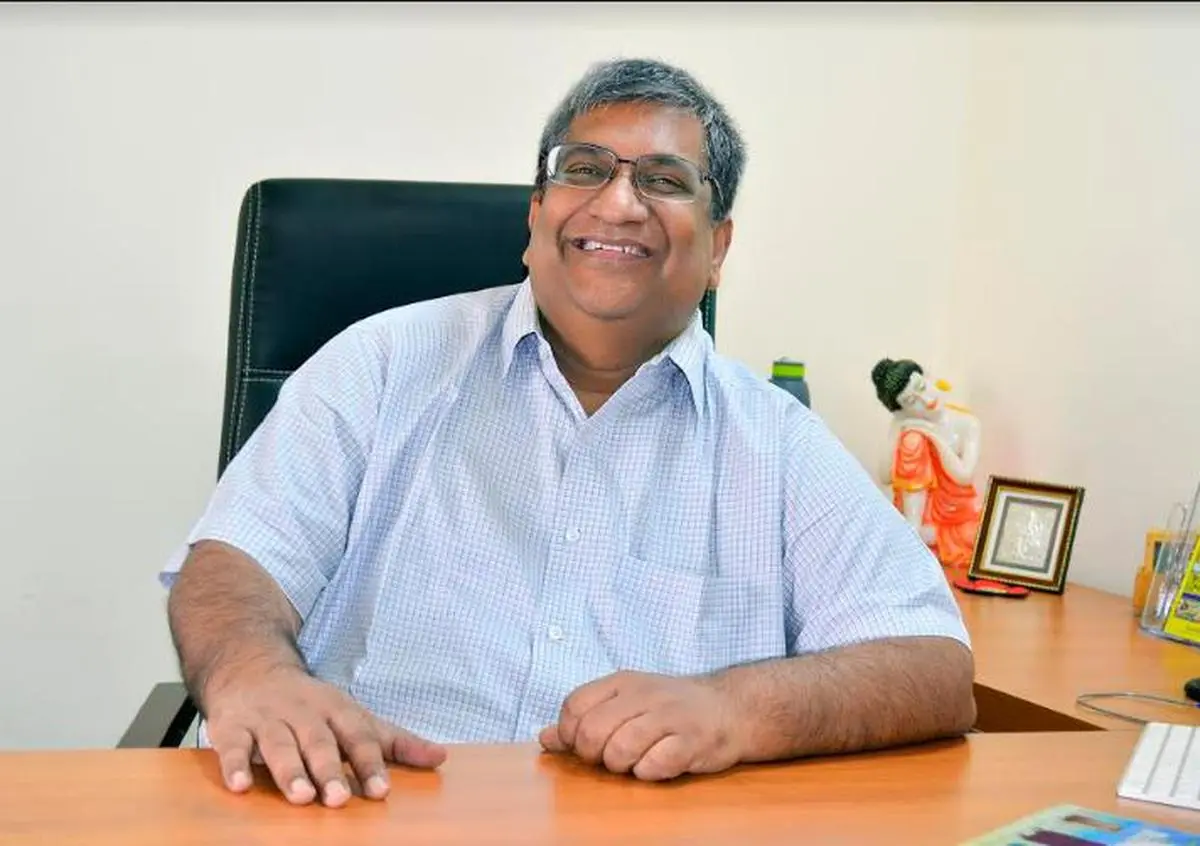
Authored by Ravindra Agrawal, Chairman, KisanKraft
For a long time, Indian agriculture has depended on one thing more than anything else i.e. PEOPLE. Fields were cultivated, harvested, and maintained by a steady supply of rural labour that, until recently, seemed almost guaranteed. That reality is now changing, and not gradually enough for farmers to easily adjust.
Across rural India, workers are steadily moving away from farm work. The reasons are not hard to understand. Jobs in construction, transport, small factories, and even local service businesses are offering more regular income and, in many cases, less physically exhausting work. With better roads, mobile connectivity, and expanding local economies, these opportunities are no longer limited to big cities. They are much closer to home.
For farmers, this shift is beginning to show up in very practical ways. During peak agricultural seasons, especially sowing and harvesting, finding workers has become harder and more expensive. Many farmers now talk about uncertainty, not just around weather or crop prices, but around whether they will even have enough hands on the field when it matters most. Delays of even a few days can affect crop outcomes, and that risk is growing.
Small and marginal farmers feel this pressure the most. They typically work with limited resources and tighter margins, so rising labour costs hit them harder. Unlike larger farms, they cannot easily absorb these cost increases or invest in large-scale machinery. For them, the labour shortage is not just an inconvenience—it can directly affect whether farming remains worth continuing.
To read more, click: https://online.anyflip.com/unmb/pewj/mobile/index.html