Sunday, 5 July 2026

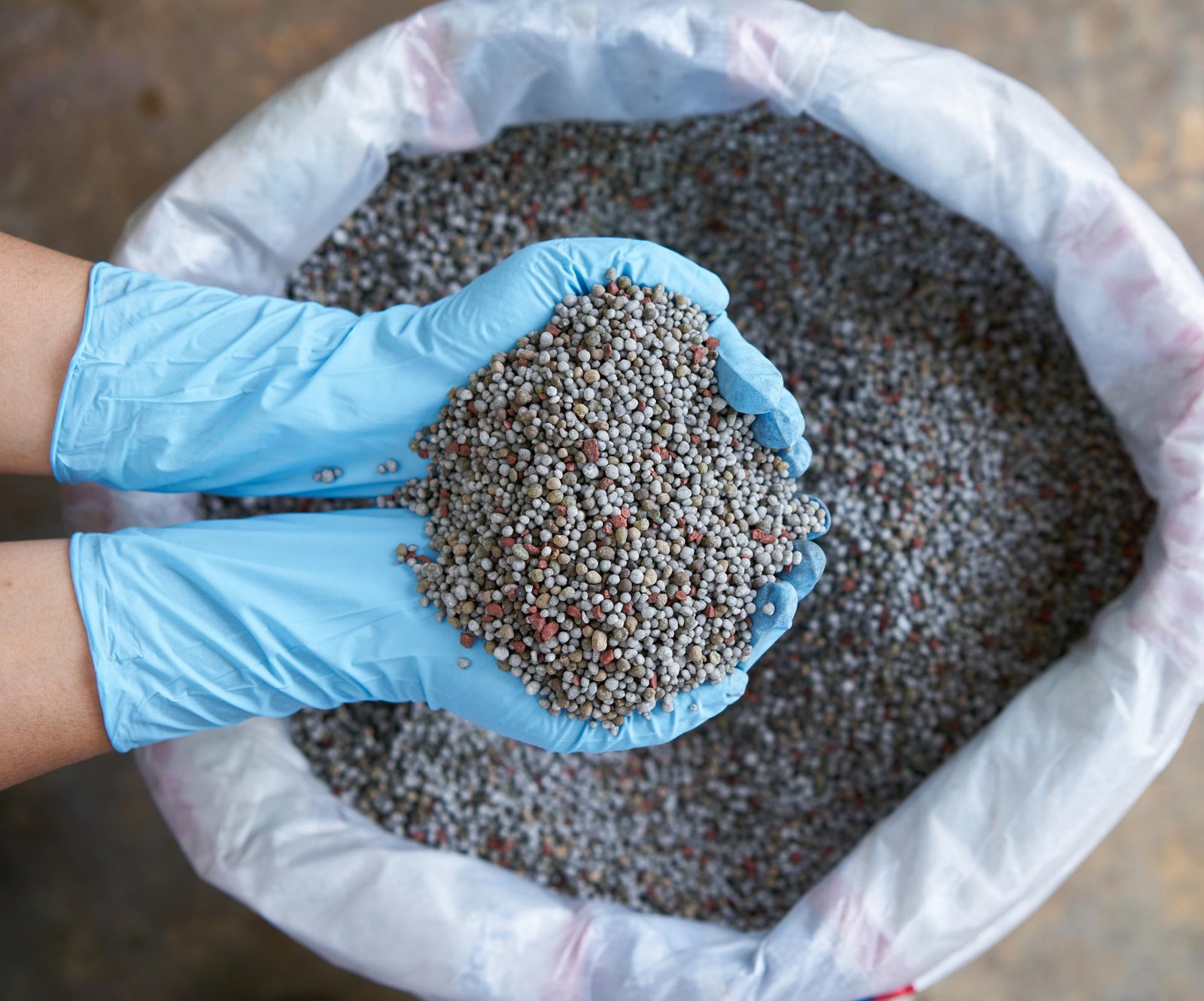
The consortium of fertilizer industry associations, IPNM SPC, has welcomed the recent decisions taken in the meeting chaired by the Agriculture Minister of Maharashtra on April 28, 2026, at Mantralaya, Mumbai, calling them practical steps towards improving transparency and efficiency in the agri-input sector.
A key highlight of the meeting is the rationalisation of the Quality Control (IQC) inspection system, where responsibilities have been clearly restructured across taluka, district, divisional, and state levels. By streamlining the role of inspectors and introducing a more structured approach—including part-time inspectors where required—the government has addressed a long-pending demand of the industry. This is expected to reduce duplication, bring clarity, and make inspections more effective rather than excessive.
The new framework also brings in a more practical system of inspections. It focuses on planned and need-based checks, supported by technology-driven platforms like IFMS and SATHI, along with provisions for randomized inspections and lot-wise sample testing. At the same time, stronger monitoring at higher levels will ensure better coordination and timely action.
Another important decision is the ban on forced linking of non-subsidized products with subsidized fertilizers, an issue that IPNM SPC had consistently raised. A policy similar to the recent policy implemented in UP is under active consideration and expected to be notified soon.
The revised approach also strengthens action against challenges like black marketing, hoarding, and spurious inputs. With better complaint mechanisms at retail points and increased awareness among farmers, the system is expected to become more transparent and accountable at the ground level.
Rajib Chakraborty, from the Soluble Fertilizer Industry Association, welcomed the rationalisation of the inspection system & curb on linking sales as a much-needed step. He further emphasised that discretionary business registration, product registration, and source registration systems in Maharashtra need to be urgently looked upon, enabling importers and manufacturers to support farmers with suitable alternative fertilizers in the face of wartime supply disruptions and the El Niño crisis.”
Dr. Suhas Budhe, Policy Advisor, SFIA and Convenor, IPNM SPC (Consortium of Fertilizer Manufacturers Association), defined this as a“He advocated for a balanced and forward-looking approach, stressing the need for a high level of preparedness to address potential global supply chain disruptions and the El Niño impact. He further noted that the Central Government’s push to promote alternative fertiliser use can only be effectively realised by empowering indigenous manufacturing of specialty and organic nutrient solutions (SOMS), which is currently under strain due to excessive regulatory pressures”.
Dr. Rahul Mirchandani, President, Indian Micro Fertilizer Industry Association, said,
IMMA sincerely thanks the Maharashtra Department of Agriculture for its proactive and consultative approach in addressing industry-wide concerns. The decision to rationalize inspector powers—limiting oversight to two Quality Control Officers for manufacturers and two inspectors for dealers—marks a significant step toward a more balanced, transparent, and efficient regulatory environment.
Vipin Kasliwal, General Secretary, Maharashtra All India Dealer & Distributor Association, said,
“We sincerely thank the government for accepting and completing our long-pending demands. We hope these decisions are implemented at the earliest so that the benefits reach the ground without delay. These reforms will not only bring relief to dealers but will also prove highly beneficial for farmers. We also extend our thanks to IPNM SPC for strongly supporting the dealer community and raising these issues at the right platform.
Other important discussions in the meeting included improvements in the SATHI portal, action against illegal seeds, handling of expired pesticides, addressing dealer concerns, and measures to curb the movement of fake agricultural inputs across states.
Overall, the industry views these decisions as a positive step towards building a more transparent, efficient, and farmer-focused agri-input system.