Wednesday, 24 June 2026

Bridging the gap between traditional real estate & high-tech agriculture
As global investors increasingly look beyond conventional real estate and toward climate-resilient assets, Brio Hydroponics is positioning controlled-environment agriculture as a new frontier for long-term capital deployment. The company has launched its FOCO (Franchise-Owned, Company-Operated) investment model, an agritech-led framework aimed at high-net-worth individuals and institutional investors seeking exposure to sustainable food systems without direct operational involvement.
At the centre of the model is a proposition that blends infrastructure-style investing with high-tech farming. Investors are required to commit a minimum of 30 acres of land along with capital investment starting at Rs 5 crore, while Brio Hydroponics assumes responsibility for operations, technology deployment, agronomy, logistics, and market integration.
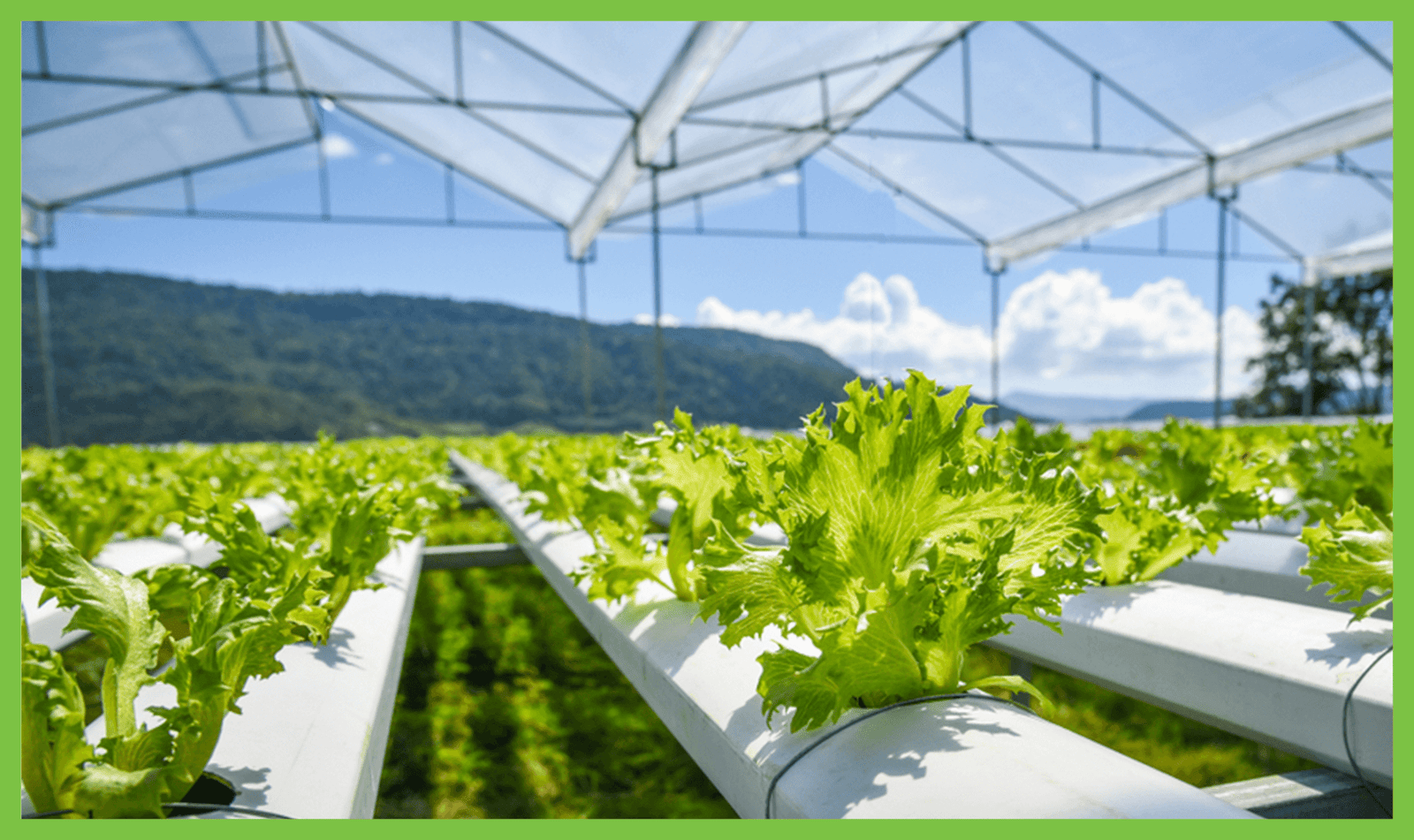
The company describes the initiative as the creation of large-scale “Hydroponic Parks” designed to deliver climate-controlled crop production with lower resource intensity and higher output predictability than conventional agriculture. “Our FOCO model is built for the modern investor who values sustainability as much as profitability,” said Praveen Patel, Founder, Brio Hydroponics.
“By combining investor capital with our technical expertise, we are creating Hydroponic Parks that can reduce water usage by up to 90 per cent while delivering net returns between 25 per cent and 30 per cent,” he added.
The launch comes at a time when controlled-environment agriculture is attracting growing interest globally amid concerns over water scarcity, climate volatility, food security, and declining arable land productivity. In India, where agriculture remains highly dependent on monsoons and fragmented landholding patterns, hydroponics is increasingly being viewed as a potential solution for premium crop cultivation, year-round production, and resource-efficient farming.
Brio’s FOCO model seeks to address one of the sector’s longstanding barriers — the operational complexity of hydroponic farming. Under the structure, investors remain asset owners while the company manages day-to-day production and commercialization. According to the company, the model includes: Professional agronomy and crop planning; Climate-adaptive infrastructure; Post-harvest management; Market linkage support; Precision nutrient delivery systems.
The company also highlighted the use of advanced PIC-Plast rainwater protection systems and scalable hydroponic infrastructure aimed at maximizing land productivity and reducing environmental risk. Beyond productivity gains, Brio is framing the initiative within the broader ESG investment narrative. The company says its hydroponic systems can significantly reduce water consumption compared to traditional farming while supporting pesticide-free cultivation and lower environmental impact.
The move reflects a wider shift underway in agritech investing, where capital is increasingly flowing toward climate-smart agriculture, precision farming, and controlled-environment food production models. Analysts note that institutional interest in sustainable agriculture assets has grown steadily over the past decade, driven by concerns around supply-chain resilience and long-term food demand.
By positioning hydroponic infrastructure as both an agricultural and investment opportunity, Brio Hydroponics appears to be targeting a niche between farmland ownership, food-tech infrastructure, and sustainability-focused capital markets. The company said it plans to continue expanding its footprint across India, offering turnkey hydroponic solutions aimed at transforming underutilized land into commercially productive agricultural assets.