Monday, 25 May 2026

Decline in onion, potato, and pulse prices offset by surge in tomatoes, LPG, and edible oil
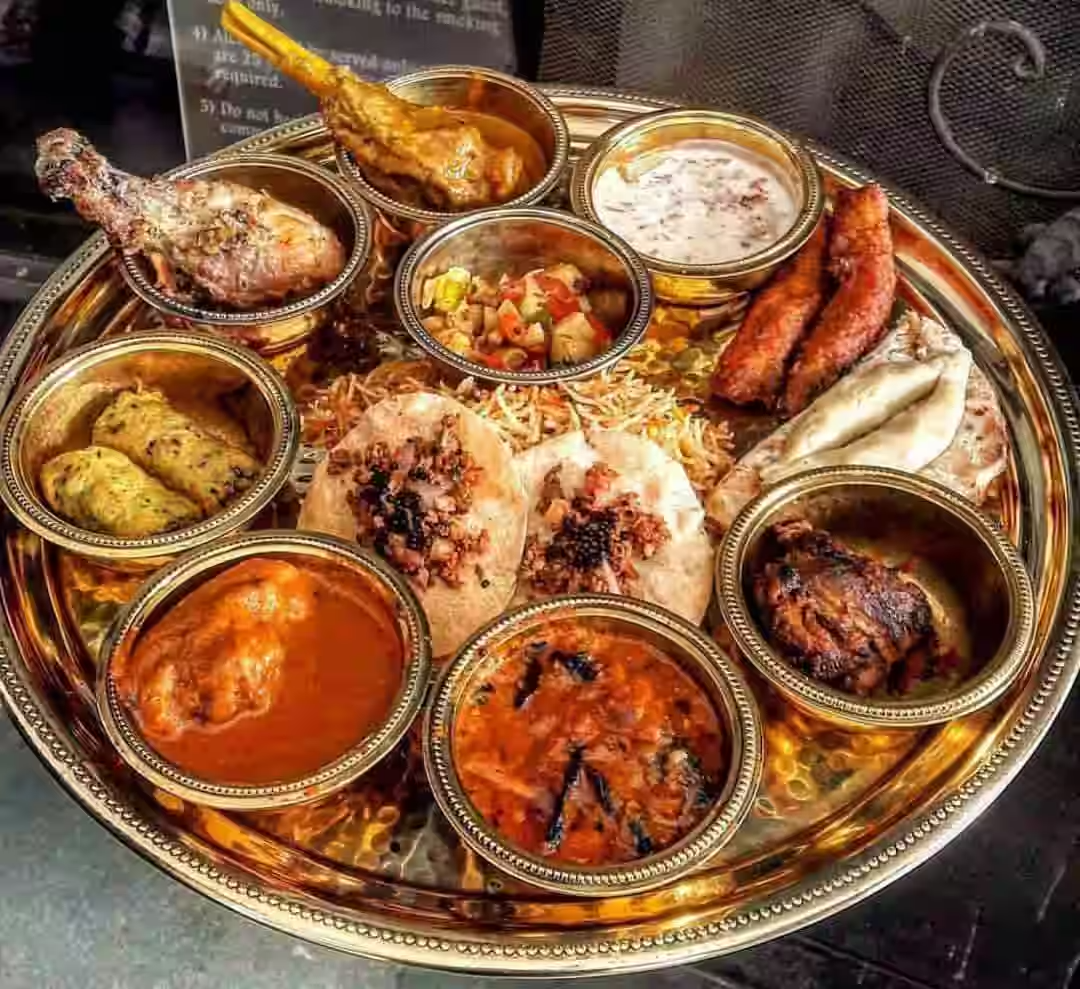
CRISIL’s monthly thali indicator for March 2026 shows mixed trends in household food costs, with the vegetarian thali remaining flat year-on-year while the non-vegetarian thali declined 1 per cent. This stability in veg thali cost came despite relief in key staples, as onion prices fell 25 per cent, potato prices declined 13 per cent, and pulses dropped 6 per cent due to higher stocks; however, these savings were offset by a sharp 33 per cent rise in tomato prices to Rs 28/kg caused by delayed crop cycles in Karnataka and Andhra Pradesh, along with a 6 per cent increase in vegetable oil prices and a 14 per cent rise in LPG cylinder costs driven by global supply disruptions.

“The cost of a vegetarian thali remained stable on-year in March as lower prices of onions, potatoes and pulses offset the increase in tomato, edible oil and fuel costs. Tomato prices rose due to delayed transplanting in key regions, while onion prices fell because of a supply surplus and weak demand weighed on potato prices,” said Pushan Sharma, Director, CRISIL Intelligence.
He added that geopolitical developments have played a key role in shaping price trends.
“The West Asia conflict has driven up crude oil prices, which has, in turn, lifted edible oil prices amid increasing demand from the biofuel segment. Global prices of palm and sunflower oil increased during the month, transmitting to domestic markets. At the same time, importers have turned cautious due to high prices, reducing procurement and weighing on ending stocks.”
Looking ahead, CRISIL expects continued volatility in key inputs.
“In the near term, geopolitical uncertainties are expected to keep vegetable oil prices elevated. Onion prices are likely to remain under pressure due to high arrivals and weak export demand. However, with an estimated 10 per cent decline in production and reported damage to the summer crop, prices are expected to gradually recover in the coming months. A resurgence in exports or support from NAFED could further support prices,” Sharma said.
For the non-vegetarian thali, the 1 per cent annual decline was mainly due to an estimated 2 per cent fall in broiler chicken prices, which constitute nearly half of the meal cost, supported further by lower onion, potato, and pulse prices, although elevated tomato prices limited the overall decline. On a month-on-month basis, both veg and non-veg thali costs decreased by 3 per cent and 2 per cent, respectively, led by a 6 per cent drop in tomato and potato prices and a sharper 14 per cent decline in onion prices due to higher arrivals and weak demand in domestic and export markets.
Additionally, the cost of non-veg thali saw further relief from reduced broiler prices amid lower demand during the Navratri period, when consumption of non-vegetarian food typically declines. Overall, while falling staple prices and seasonal factors provided short-term relief, persistent increases in tomatoes, edible oil, and fuel continued to keep household food expenditure under pressure.