Monday, 25 May 2026

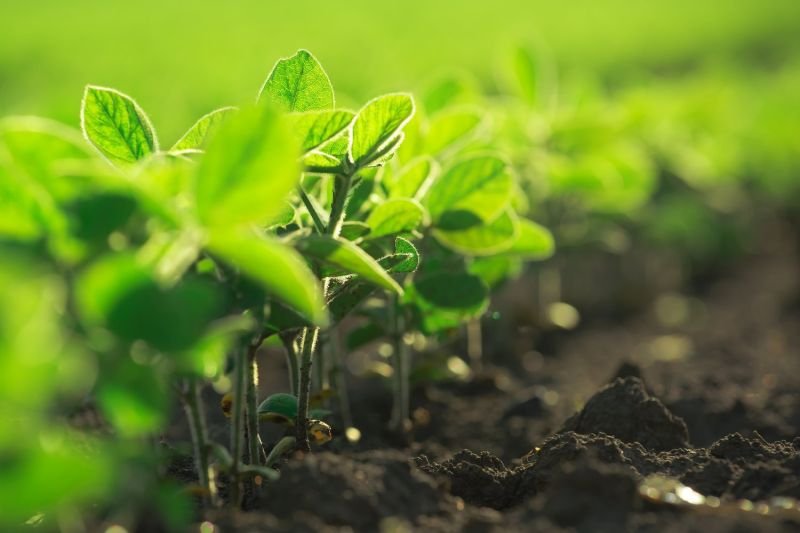
India’s farm sector balances growth in pulses with declines in millets and oilseeds
India’s agriculture sector is witnessing a nuanced summer sowing season, with pulses leading the charge while cereals and oilseeds show uneven progress. As of March 20, 2026, total summer crop coverage stands at 42.68 lakh hectares, marginally lower than the 43.69 lakh hectares recorded during the same period last year. This dip of 1.02 lakh hectares underscores both resilience and vulnerability in India’s farm economy.
Pulses Surge Ahead, Signaling Dietary and Export Strength
Pulses have emerged as the standout performer, with coverage rising to 4.09 lakh hectares, a gain of 0.62 lakh hectares over last year. Green gram and black gram together account for the bulk of this expansion, reflecting strong demand for protein-rich crops and government-backed initiatives to boost pulse self-sufficiency. This surge positions India to reduce import dependence and strengthen its export competitiveness in the global pulses market.
Rice Holds Ground, But Cereals Falter
Rice sowing has inched up to 27.86 lakh hectares, slightly higher than last year’s 28.65 lakh hectares, though still below the normal summer benchmark. In contrast, coarse cereals — branded as “Shree Anna” — have slipped, with maize and jowar showing notable declines. The reduction of 0.80 lakh hectares in this category raises concerns about diversification and climate resilience, especially given the government’s push to mainstream millets as superfoods.
Oilseeds Plateau Amid Global Price Volatility
Oilseed coverage remains largely stagnant at 4.69 lakh hectares, a marginal dip from last year. Groundnut and sunflower have held steady, but sesamum acreage has contracted slightly. This plateau reflects both cautious farmer sentiment and the shadow of global edible oil price fluctuations. For agribusinesses, the signal is clear: India’s oilseed story needs stronger policy and market interventions to unlock its full potential.
The Big Picture: Resilience Meets Risk
The overall decline of 1.02 lakh hectares compared to last year may appear modest, but it masks deeper structural challenges. Climate variability, uneven access to irrigation, and market uncertainties continue to shape farmer decisions. Yet, the strong performance of pulses offers a silver lining, pointing to shifting dietary preferences and policy alignment with nutrition security.
Outlook: Policy, Technology, and Partnerships
As India navigates the summer sowing season, the data underscores the need for sharper interventions — from AI-driven weather forecasting to cluster-based crop promotion. For B2B stakeholders, the message is unmistakable: opportunities lie in pulses, digital agriculture, and resilient value chains, while cereals and oilseeds demand renewed focus.
India’s farm sector is at an inflection point — balancing tradition with technology, resilience with risk. The March sowing snapshot is not just a statistic; it is a mirror to the future of Indian agriculture.
— Suchetana Choudhury (suchetana.choudhuri@agrospectrumindia.com)