Tuesday, 30 June 2026

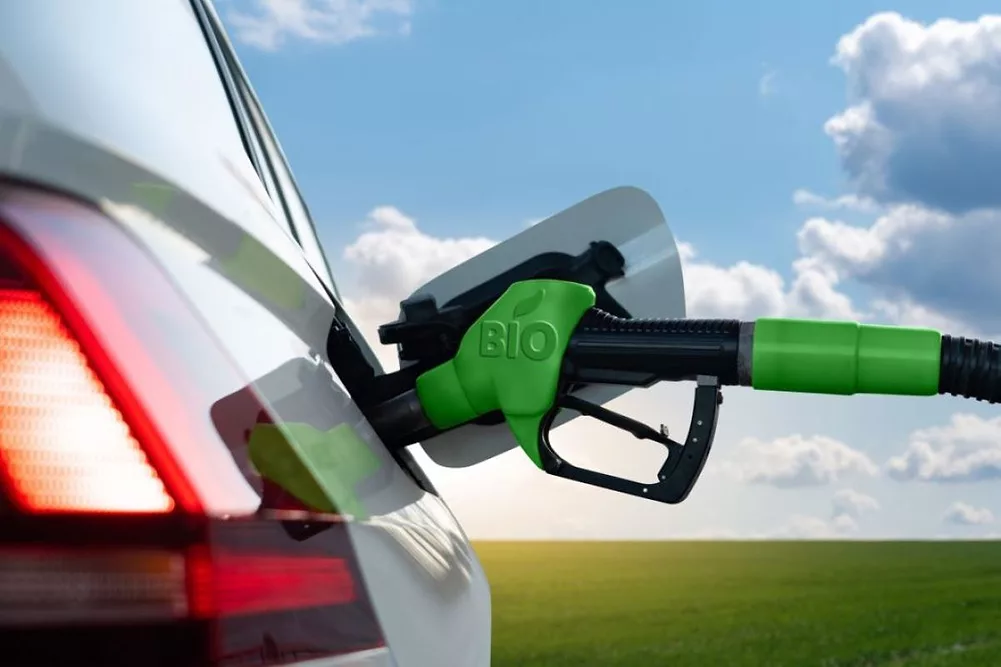
India’s ethanol industry is intensifying efforts to expand blending levels beyond the current 20 per cent target, positioning biofuels as a key lever to reduce the country’s crude oil import bill and strengthen long-term energy security.
As the world’s third-largest oil importer, India continues to allocate substantial resources to crude purchases, driving policy focus toward alternative and domestically sourced fuels.
Industry stakeholders indicate that the ethanol ecosystem—including production capacity, supply chains, and distribution infrastructure—has matured sufficiently to support higher blending ratios, subject to continued policy support and pricing stability. Increased ethanol adoption is also expected to provide a stable demand base for agricultural feedstocks such as sugarcane, supporting farmer incomes and rural economies.
The government’s ethanol blending programme has already achieved significant progress, with several regions advancing toward the 20 per cent target ahead of schedule. Oil marketing companies are scaling up storage and logistics capabilities, while automakers are gradually introducing vehicles compatible with higher ethanol blends.
However, the expansion faces structural challenges, including feedstock constraints, water usage concerns, and the need for broader vehicle compatibility across the country. A calibrated and balanced approach will be critical to ensure that economic, environmental, and operational considerations are aligned.
Despite these constraints, momentum behind higher ethanol blending is expected to accelerate, underpinned by India’s strategic priorities of reducing import dependence, enhancing energy resilience, and advancing cleaner fuel adoption.