Saturday, 11 July 2026

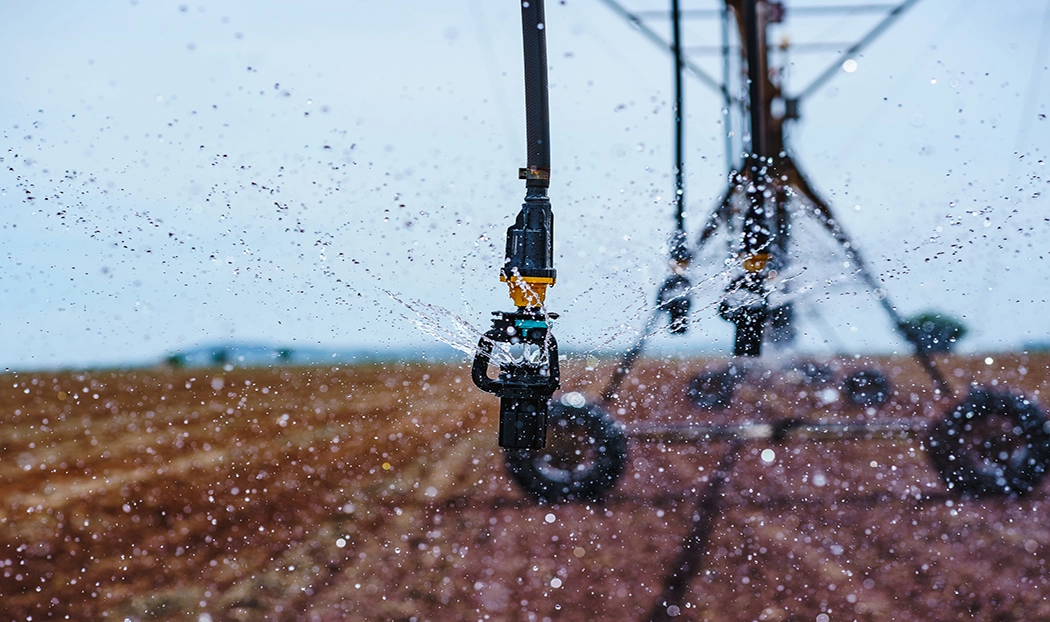
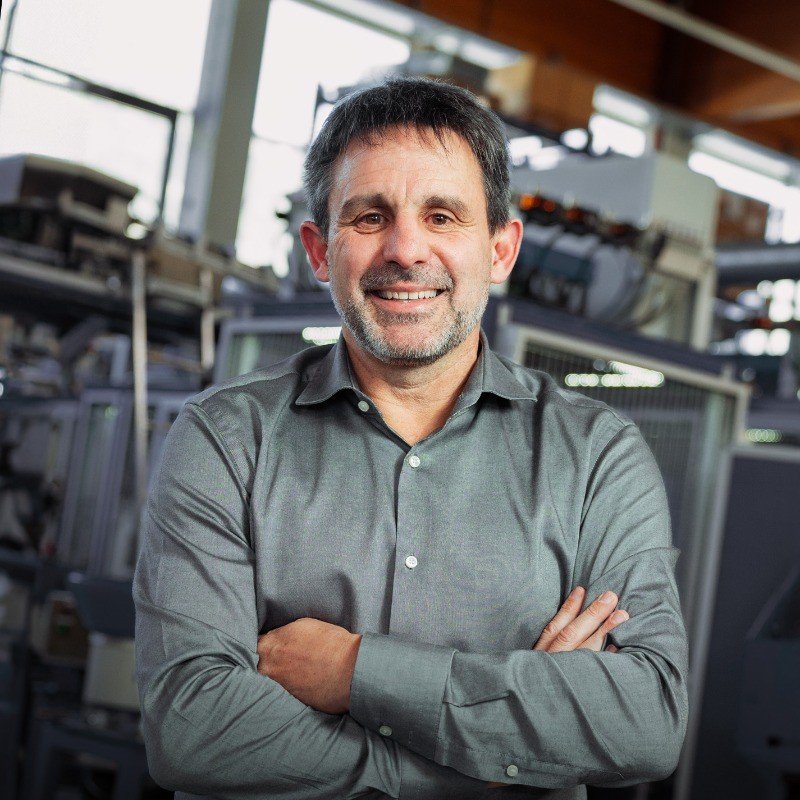
In this exclusive AgroSpectrum interview, Sacha Hoffmann Santelices, Managing Director, Komet Irrigation, explains how the company rebuilt its manufacturing philosophy by benchmarking against automotive plants rather than agricultural peers. He outlines how precision engineering, tighter tolerances, and operator-led quality have become strategic differentiators that translate directly into field performance and farmer trust.
Sacha highlights Komet’s tightly integrated feedback loops across continents, which allow rapid redesigns and testing updates based on real-world agronomic challenges. He also details how lean culture, digitalized flow systems, and carefully balanced automation help the company maintain industry-leading delivery despite global volatility. Looking ahead to Irrigation 2030, Hoffmann describes investments in advanced materials, digital twins, and cutting-edge laboratories that will anchor the next decade of hydraulic innovation.
Raising the Bar: From Irrigation to Industry Leading Manufacturing

Komet’s Lienz facility has been compared to automotive plants. What cultural, process, and technology shifts have allowed you to build a factory that outperforms the typical agricultural benchmark ?
We began with a cultural reset. Instead of comparing ourselves to other agricultural manufacturers, we benchmarked against the best automotive plants. This changed how we design processes, how we hire, and how we use technology. We invested heavily in process engineering, standardization, and eliminating root causes, not symptoms. Today, repeatability, traceability, and defect-prevention are built into every workflow. That is why our factory performs far above typical agri-equipment standards.
Precision as Strategy, Not Just Manufacturing Discipline
Your components have tolerances much tighter than industry norms. How has precision become a strategic advantage in the field ?
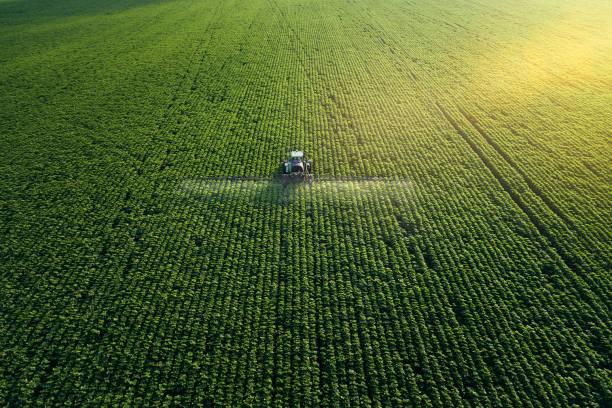
Precision is not just a technical choice; it is a strategic differentiator. Tighter tolerances deliver more consistent water distribution, less variability across environments, and better agronomic reliability. Farmers see this immediately in uniformity and yield. Precision becomes trust, and trust becomes market share. By designing every part to tighter tolerances than the industry expects, we turn manufacturing accuracy into better field performance.
Quality at the Source: Redesigning the Role of Operators

You say quality must be “produced,” not “controlled.” How do you ensure operators act as problem-solvers rather than machine operators waiting for inspection ?
We shifted the operator’s role from a “machine runner” to a “process owner,” anchored on three reinforcing pillars.
First, our systems are designed to make errors almost impossible—through poka-yoke mechanisms, real-time SPC dashboards, and standardized work that makes any deviation immediately visible.
Second, we hire for problem-solving ability and cross-functional flexibility rather than narrow machine skills, ensuring operators can manage multiple tasks and think beyond their stations.
Third, our incentives reward quality and ownership instead of sheer output volume, recognizing those who take responsibility and actively contribute to improvements.
This transformation is sustained through continuous training: once operators truly understand that they produce quality rather than merely inspect it, the entire quality curve shifts upstream.
Closing the Loop: Farmer Feedback Driving Factory Decisions

How does feedback from growers in very different regions influence product design or manufacturing ?
We have structured feedback channels across Asia, Latin America, Africa, and the US. This information is reviewed weekly and directly informs our design and production decisions.
For example, when farmers in drought-prone areas report behaviour at extremely low pressure, we adjust our testing protocols and may even redesign geometry or materials. The loop from field to factory is short, and agility is one of our biggest strengths.
Agility Under Volatility: Supply Chain and Flow Redesign

How do you maintain leading on-time delivery despite volatile demand, raw-material swings, and logistics disruptions ?
We moved from a “batch and push” model to a flow-driven, demand-synchronized system. We also built dual sourcing for critical components to reduce risk. On the shop floor, we redesigned lines into flexible U-Lines, like Toyota’s approach, so teams can scale up or down quickly while keeping flow stable. At the same time, we accelerated production digitalization, giving us real-time visibility of lead times and faster decision-making. These structural changes allow us to keep industry-leading delivery performance even in unstable market conditions.
Lean as a Cultural Engine, not a Toolkit

What has been the hardest lean discipline to embed, and how do you maintain weekly improvement momentum ?
The hardest discipline is consistency, following standards every day, on every shift. Tools are simple; culture is not. We built a strong shop-floor management system with daily and weekly routines at all leadership levels. Meetings follow a clear, standard format so communication is aligned and transparent. Problems are solved quickly, directly at the source. Our Komet Lean House provides a long-term roadmap with principles, behaviour, and five-year milestones. It keeps our transformation structured and focused. Lean is not a toolkit for us; it is how we think and operate.
Innovating Without Over-Automating
How do you balance automation with human craftsmanship when small errors can have large field consequences ?
We automate where it adds robustness, not where it replaces craftsmanship. For irrigation components, a sub-millimeter misalignment can change the entire hydraulic profile, so we focus on automation that eliminates variability but keep human expertise where judgment is critical. At the same time, automation plays an important ergonomic role: it removes repetitive, physically demanding tasks and allows our people to work in safer, more sustainable conditions. The balance is intentional, automation for stability and ergonomics, skilled people for precision and sensitivity.
Preparing for Irrigation 2030: The Next Capability Leap

What new competencies are you developing to stay ahead of future irrigation needs ?
We are building capabilities far beyond traditional manufacturing: advanced materials science, integrated testing environments, digital twins, and a workforce with stronger analytical and polyvalent skills. A major step is our new laboratory building in Brazil, one of the most advanced in the irrigation industry. It allows high-resolution testing, simulation of extreme conditions, and faster development cycles. Insights from the lab flow directly into product design, material choices, and manufacturing. This keeps us ahead of agronomic and hydraulic challenges and prepares us for the needs of 2030 and beyond. Our goal is clear: build today the capabilities that will define the next decade of irrigation performance.
—- Suchetana Choudhury (suchetana.choudhuri@agrospectrumindia.com)