Wednesday, 3 June 2026


With millions of grain-growing families relying on the ethanol ecosystem, GEMA stresses that higher blending is not just a fuel policy — it is a farmer-prosperity mission for rural India says Dr C K Jain.
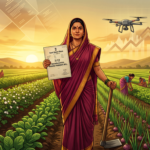
The Grain Ethanol Manufacturers Association (GEMA) today urged the Government of India to pursue a strengthened ethanol blending roadmap to further uplift India’s grain farmers, increase rural incomes, and reinforce the nation’s agricultural value-chains, especially in the context of the transformative Atmanirbhar Bharat vision.
GEMA expressed deep appreciation to the Prime Minister and the Government for prioritizing energy self-sufficiency and farmer prosperity through the Ethanol Blending Program (EBP), under which India has rapidly increased ethanol blending from 5 per cent to 20 per cent in just five years emerging as a global benchmark for agriculture-driven clean energy growth.
Ethanol is not just a fuel, it is a farmer prosperity engine,” said Dr C.K. Jain, President, GEMA. “With ethanol demand rising, coarse-grain farmers cultivate maize, sorghum, bajra, guar and other crops are gaining stable markets, higher incomes, and renewed confidence to expand production and productivity. This program has turned previously undervalued crops into drivers of rural growth, mentioned Dr. Jain.
The 20 per cent blending program currently utilises nearly 200 lakh tonnes of grain, creating a reliable and remunerative demand ecosystem for small and marginal farming households across rural India. Ethanol manufacturing units have become economic growth hubs, generating rural jobs, strengthening supply chains, and ensuring steady income flow for farming communities.
To keep this momentum strong and ensure sustained farmer gains, GEMA recommended the following policy priorities:
By strengthening ethanol policy, India can not only reduce crude oil imports but also unlock lasting prosperity for millions of grain-growing households,” added Dr. Jain. “With sustained support, the grain-ethanol industry will continue to be a cornerstone of rural development, farmer empowerment, and economic self-reliance