Wednesday, 10 June 2026

Officials point to pesticide residues and quarantine limitations; traders call for testing-based imports instead of a blanket restriction
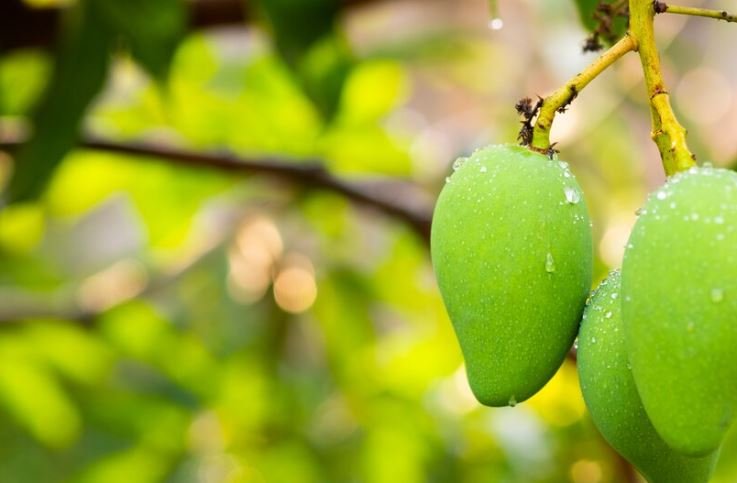
Nepal has imposed restrictions on mango imports from India, citing concerns over excessive pesticide residues and inadequate quarantine infrastructure along key border entry points, a move that is expected to support domestic growers while potentially tightening supplies in local markets.
The decision comes at the peak of Nepal’s mango season, with locally produced fruit now dominating wholesale and retail markets across the country. Government officials say the restrictions are aimed at protecting consumer safety while strengthening opportunities for domestic producers.
According to Ajaya Gyawali, Information Officer at the Ministry of Land Management, Agriculture and Cooperatives in Madhesh Province, the import curbs have created favorable market conditions for local farmers.
“The restriction has promoted local production, which is a positive development,” Gyawali said, noting that growers no longer face direct competition from imported Indian mangoes during the harvest season.
Madhesh Province, particularly the districts of Siraha, Saptari, and Dhanusha, remains Nepal’s primary mango-producing region. Domestic production typically runs from mid-May through mid-July, supplying markets nationwide during the summer months.
Domestic Supply May Fall Short
Despite the short-term boost for local producers, officials and industry stakeholders acknowledge that Nepal’s mango production may not be sufficient to meet year-round consumer demand.
Gyawali cautioned that the restrictions could create challenges for fruit-processing industries, including juice manufacturers, that depend on steady mango supplies beyond the domestic harvest window.
Industry representatives have also expressed concern over the potential market impact.
Bhuvaneshwar Purbe, General Secretary of the Fruit and Vegetable Traders’ Association in Janakpurdham, said local production alone is unlikely to satisfy national demand.
“Rather than imposing a complete ban, the government should strengthen quarantine systems and allow imports after proper quality testing,” he said.
According to traders, more than 50 tonnes of mangoes are transported daily from producing districts through Janakpurdham and distributed to Kathmandu and other major markets. However, this volume may not fully compensate for the absence of Indian imports, particularly outside the peak harvest period.
Rising Prices a Growing Concern
Market participants warn that supply constraints could lead to higher prices in the coming weeks.
Mangoes currently retail for approximately NPR 100–150 per kilogram in Kathmandu, but traders believe prices could rise significantly if restrictions remain in place throughout the season.
Consumers have already experienced similar price increases in other fruit categories. Following earlier restrictions on banana imports from India, retail prices reportedly climbed from NPR 120–150 per dozen to as high as NPR 250–300 per dozen.
Balancing Food Safety and Food Security
The import restrictions underscore a broader policy challenge facing Nepal: balancing food safety standards and domestic agricultural development with the need to ensure adequate food supplies and price stability.
While the move provides a temporary competitive advantage for Nepalese mango growers, industry observers say long-term success will depend on strengthening quarantine infrastructure, expanding domestic production capacity, and implementing robust testing systems that enable safe and efficient cross-border trade.
As the summer fruit season progresses, policymakers will be closely monitoring market availability, consumer prices, and the broader impact of the restrictions on Nepal’s agricultural value chain.