Tuesday, 30 June 2026

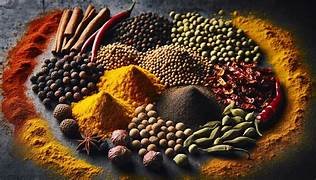
New preventive framework seeks to safeguard India’s spice exports ahead of stringent European Union regulations on mineral oil contaminants set to take effect from January 2027
In a decisive move aimed at fortifying the integrity of India’s spice exports amid tightening global food safety regulations, the Spices Board India has issued an extensive set of industry guidelines for the prevention and mitigation of Mineral Oil Saturated Hydrocarbons (MOSH) and Mineral Oil Aromatic Hydrocarbons (MOAH) contamination across the spice value chain.
The advisory assumes heightened significance as the European Union moves towards enforcing a maximum permissible limit of 10 mg/kg for MOAH in spices under the amended Commission Regulation (EU) 2023/915, effective January 1, 2027. The proposed regulation reflects growing international concern surrounding petroleum-derived contaminants in food products, particularly MOAH compounds, which are increasingly associated with carcinogenic and mutagenic risks.
The guidelines position the issue not merely as a regulatory compliance challenge, but as a strategic imperative for preserving India’s global leadership in the spice trade. India remains one of the world’s largest producers and exporters of spices, supplying critical ingredients to food, nutraceutical, pharmaceutical and processed-food industries across international markets.
According to the framework issued by the Board, MOSH and MOAH contamination can infiltrate the spice ecosystem at multiple stages — from agricultural production and post-harvest handling to storage, packaging, transportation and processing operations. The document underscores that contamination risks often emerge from seemingly routine industrial practices, including the use of mineral oil-based pesticides, lubricant leakages from agricultural machinery, contaminated irrigation sources, drying spices on polluted surfaces, non-food-grade processing aids, and recycled packaging materials containing mineral oil residues.
The Board has identified mineral oil-based printing inks, adhesives, cardboard packaging, treated jute bags and even cosmetic products used by handling personnel as potential vectors of contamination. Exhaust emissions and industrial pollutants from nearby manufacturing zones have also been recognised as major exposure pathways capable of compromising spice quality.
To counter these risks, the guidelines prescribe a comprehensive preventive architecture spanning the entire supply chain. Farmers have been advised to adopt only approved agrochemicals free from mineral oil residues, avoid cultivation in industrially polluted zones, and ensure leak-proof maintenance of farm machinery. Worker sensitisation programmes focusing on contamination awareness have also been recommended as part of broader on-farm hygiene protocols.
At the processing and post-harvest stage, the Board has stressed the need for drying spices exclusively on elevated, sanitised and mineral oil-free surfaces while prohibiting exposure to vehicular emissions, industrial exhausts and lubricant spillages. Processing facilities have been instructed to eliminate the use of non-food-grade lubricants and maintain stringent equipment maintenance systems to prevent accidental contamination during operations.
The guidelines further caution against conducting machinery repairs in close proximity to spices, packaging materials or processing aids without adequate post-maintenance sanitation procedures.
Packaging and storage practices have emerged as another critical area of intervention. The Board has directed stakeholders to transition towards certified food-grade virgin packaging materials while discouraging the use of recycled paperboard, ink-labelled cartons and packaging substrates containing mineral oil residues. The advisory additionally recommends the use of mineral oil-free barrier materials and storage protocols that isolate spices from generators, fuel sources and motorised transport systems.
Beyond operational safeguards, the document strongly advocates the institutionalisation of Good Manufacturing Practices (GMP) and Hazard Analysis and Critical Control Point (HACCP) systems throughout the spice industry. Exporters and processors have been encouraged to conduct periodic laboratory testing for MOSH and MOAH residues in both raw materials and finished products while building traceability systems capable of identifying contamination hotspots within sourcing networks.
The Board has also urged stakeholders to develop comprehensive inventories of cleaning agents, consumables and processing chemicals used within facilities, enabling systematic risk grading and contamination monitoring.
The regulatory intervention comes at a time when global food-importing regions are intensifying scrutiny over chemical contaminants, traceability standards and supply-chain sustainability. Industry observers note that the European Union’s tightening stance on MOAH levels could have far-reaching implications for spice-exporting nations unable to rapidly align with evolving compliance frameworks.
By proactively issuing preventive guidelines nearly two years ahead of the EU implementation deadline, Spices Board India appears to be positioning the domestic spice industry for a smoother transition towards stricter international residue norms while simultaneously protecting export competitiveness, public health standards and brand India’s credibility in global agri-trade markets.
The guidelines ultimately reinforce a broader reality confronting global food supply chains: as regulatory standards evolve from quality-centric to risk-centric frameworks, contamination prevention is no longer a peripheral compliance exercise but a central determinant of export viability, market access and long-term industry sustainability.