Tuesday, 30 June 2026

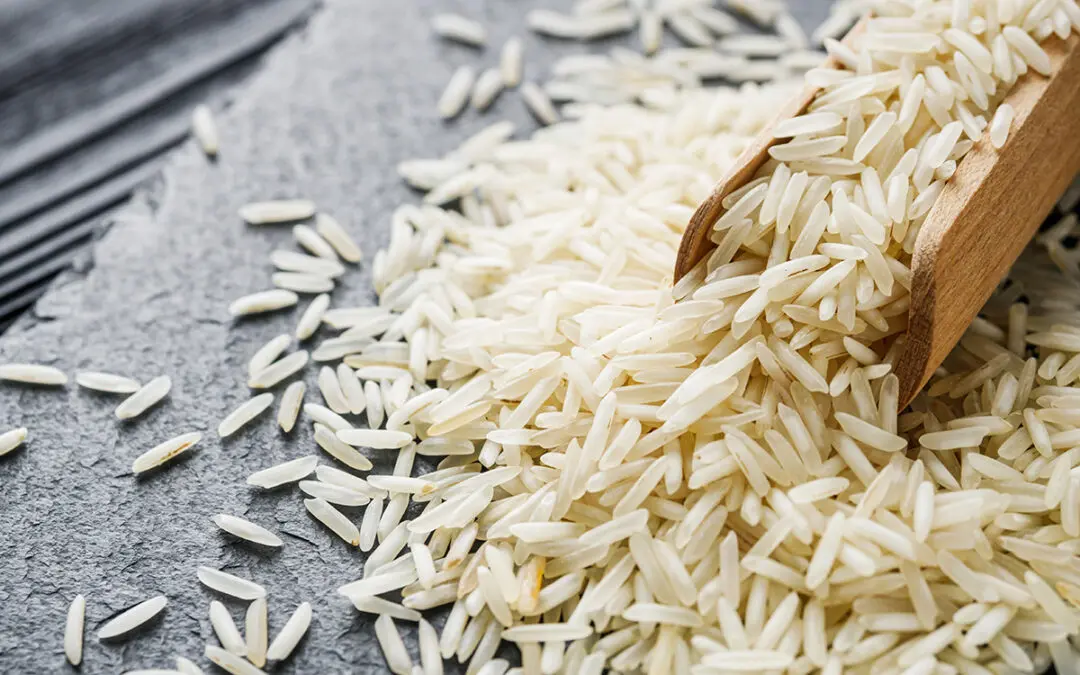
Shipping disruptions and unpredictable costs threaten viability of basmati exports
India’s basmati rice exporters have urged urgent government intervention to address sharply rising shipping costs and logistical disruptions caused by ongoing geopolitical tensions in West Asia. Industry representatives caution that escalating freight charges and operational uncertainties are placing significant financial strain on exporters and threatening the sector’s global competitiveness.
The Basmati Rice Farmers and Exporters Development Forum (BRFEDF) has raised concerns over what it describes as arbitrary and opaque war-risk surcharges imposed by international shipping lines. These charges, according to exporters, have surged significantly in recent weeks and are being levied without clear prior notice, with some revisions occurring after cargo dispatch. Reported surcharges range widely, with cumulative additional costs in certain cases reaching levels that make exports commercially unviable.
Exporters report that the total impact of these charges in some instances accounts for a substantial share of cargo value, severely affecting profit margins and pricing stability. The industry states that it is being exposed to unpredictable financial liabilities arising from circumstances beyond its control.
The ongoing regional crisis has also led to widespread rerouting of shipping lanes, with cargo being diverted to transhipment hubs and alternative ports such as Jebel Ali Port, Port of Sohar, and Port of Salalah. Exporters have raised concerns over extended delays, limited visibility on onward shipment schedules, and instances of cargo being returned to origin ports without adequate clarity or accountability.
Industry stakeholders emphasize that exporters are bearing the financial consequences of operational decisions taken by shipping lines, despite having no role in determining routes, handling procedures, or transhipment arrangements. They further highlight the lack of transparent protocols during geopolitical disruptions, resulting in an imbalance of risk distribution across the supply chain.
BRFEDF has called for the establishment of a structured regulatory framework to govern freight and logistics practices during international crises. Key recommendations include ensuring freight charges are strictly linked to services rendered, preventing unjustified detention of containers, and introducing standardized guidelines for cargo handling during periods of geopolitical instability. The forum has also emphasized the need for improved transparency in freight pricing and real-time communication systems to reduce uncertainty for exporters.
India remains one of the world’s leading exporters of basmati rice, with West Asia serving as a key market for premium rice exports. Industry participants warn that continued instability in shipping operations and rising logistics costs could weaken India’s position in critical global markets at a time of heightened sensitivity in international food trade.
The industry has reiterated its appeal for timely policy support to safeguard export competitiveness and ensure stability in maritime trade operations amid ongoing global uncertainties.