Tuesday, 14 July 2026

Low arrivals and strong regional demand variations drive sharp divergence in mandi prices across states
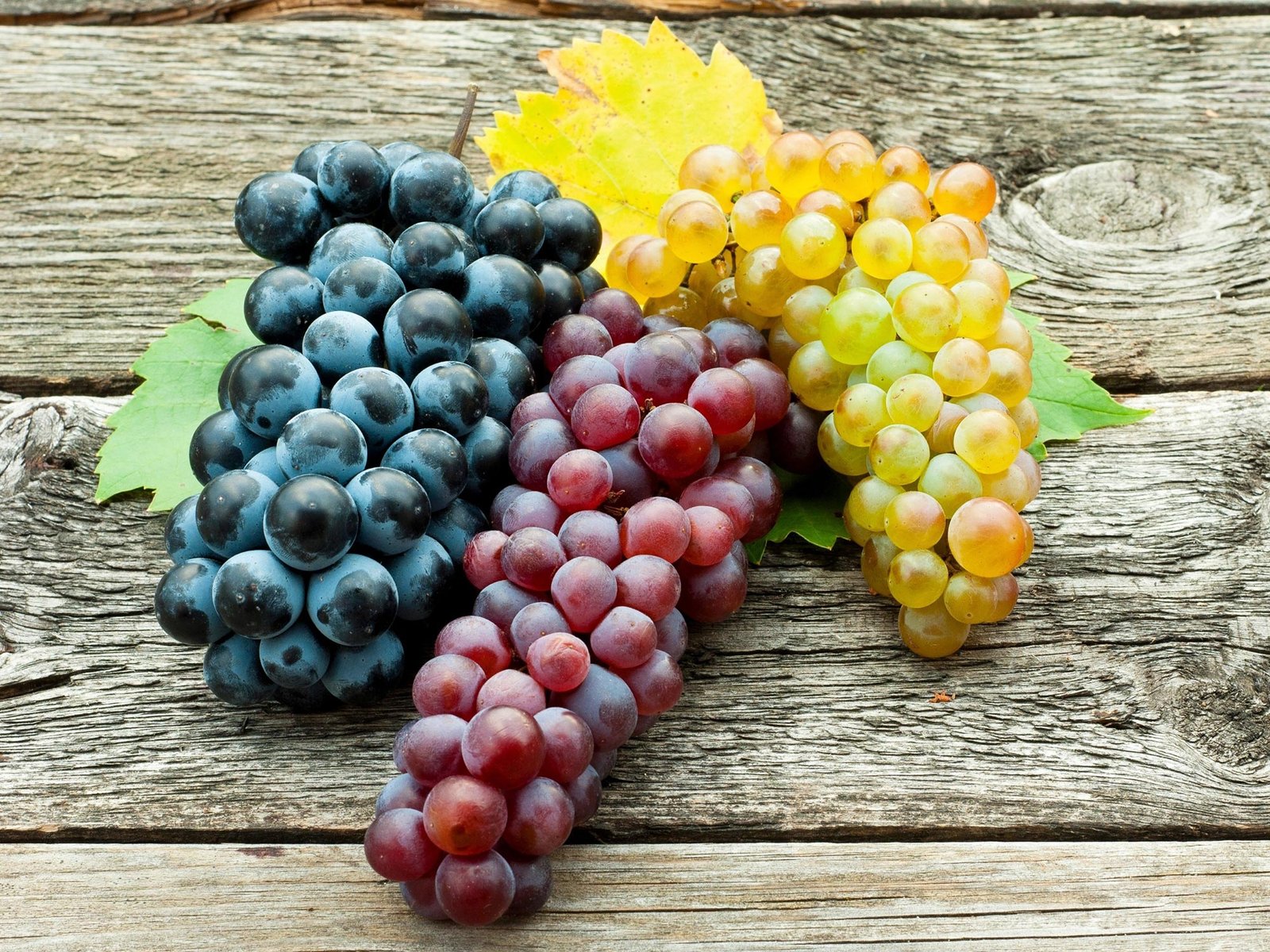
Grape markets across India displayed significant price divergence and consistently low arrivals on April 24, 2026, reflecting a structurally fragmented horticulture supply chain where local demand conditions, grading quality, and logistics constraints continue to dominate price formation.
Across major producing and consuming states including Haryana, Punjab, Rajasthan, Tamil Nadu, Himachal Pradesh, Uttarakhand, Kerala, and Uttar Pradesh, grape prices ranged widely from Rs 3,500 to Rs 20,000 per quintal depending on market location, quality grade, and trading volume. Most mandis recorded arrivals below one metric tonne per market, highlighting limited aggregation and highly localized trade flows.
Rajasthan emerged as the most significant volume-driven market in the dataset, with Jaipur APMC recording the highest arrivals at 162.3 metric tonnes. Despite the large volume, prices remained relatively stable in the Rs 6,000–Rs 10,000 per quintal range with a modal price of Rs 8,000 per quintal. Sriganganagar and Jodhpur also contributed moderate arrivals of 10 metric tonnes and 14 metric tonnes respectively, with prices between Rs 6,500 and Rs 10,500 per quintal. The data indicates that larger aggregation hubs in Rajasthan provide relatively stronger price stability due to better supply balancing and market depth.
In Haryana, grape prices showed strong intra-state variation. Narwana APMC in Jind recorded a premium modal price of Rs 12,000 per quintal, while Shahabad APMC in Kurukshetra traded between Rs 7,000 and Rs 12,000 per quintal with comparatively higher arrivals of 11 metric tonnes. Hansi APMC in Hisar reported a wide range between Rs 6,000 and Rs 10,000 per quintal, while Uklana APMC remained at a lower fixed price of Rs 5,000 per quintal. Panipat APMC recorded one of the weakest price realizations at Rs 3,500 per quintal, reflecting lower quality grading and weaker demand conditions.
Punjab exhibited a dual-structure pricing pattern influenced by procurement linkages and local consumption demand. Chamkaur Sahib APMC and Fazilka APMC recorded higher modal prices of Rs 12,000 per quintal, while Nawan Shahar Subzi Mandi remained strong at Rs 10,600 per quintal. Mid-range markets such as Jalalabad and Jagraon traded between Rs 6,000 and Rs 8,200 per quintal. Lower-tier mandis such as Zira and Garhshankar recorded prices of Rs 5,500 and Rs 5,000 per quintal respectively. This reflects a clear segmentation between high-value and low-value trading centers within the state.
Himachal Pradesh markets continued to reflect a high-value, low-volume horticulture structure typical of hill agriculture economies. Kullu’s Bhuntar APMC recorded one of the highest modal prices at Rs 15,000 per quintal, followed by Shimla at Rs 11,000 per quintal and Solan at Rs 9,500 per quintal. Nagrota Bagwan in Kangra reported Rs 10,500 per quintal, while Una’s Santoshgarh and Takarla mandis remained stable between Rs 9,700 and Rs 10,500 per quintal. However, arrivals across these markets remained extremely low, often below 0.2 metric tonnes.
Tamil Nadu exhibited one of the most fragmented and price-volatile market structures in the country. Coimbatore’s RSPuram Uzhavar Sandhai recorded a wide price range between Rs 8,500 and Rs 20,000 per quintal with a modal price of Rs 14,250 per quintal. Madurai markets such as Chokkikulam and Palanganatham reported strong prices in the Rs 13,000–Rs 15,500 per quintal range, while Theni recorded a modal price of Rs 15,000 per quintal. Other markets including Salem, Tiruvannamalai, and Thanjavur remained in the Rs 10,000–Rs 12,000 per quintal range.
Uttarakhand markets showed moderate pricing with structural limitations in market depth. Rudrapur APMC recorded Rs 9,000 per quintal, Haridwar Manglaur traded at Rs 6,500 per quintal, and Rishikesh and Vikasnagar reported lower levels between Rs 4,500 and Rs 5,000 per quintal.
Uttar Pradesh markets remained relatively weak in both price realization and market depth. Lalitpur APMC recorded Rs 7,060 per quintal, while Shamli’s Khandhla APMC traded at Rs 4,900 per quintal with very low arrivals.
Kerala’s Mukkom APMC in Kozhikode reported a stable modal price of Rs 8,000 per quintal with limited arrivals, reflecting a small-scale but steady consumption-oriented market structure.
At the national level, the grape market demonstrates extreme price dispersion driven by fragmented supply chains and inconsistent market integration. Prices varied from Rs 3,500 per quintal in lower-tier Haryana mandis to Rs 20,000 per quintal in premium Tamil Nadu urban markets, indicating a lack of unified pricing across regions.
Overall, the April 24, 2026 grape market data reflects a structurally fragmented horticulture economy in India, characterized by uneven market integration, high regional price variability, and strong dependence on localized demand clusters.