Saturday, 27 June 2026

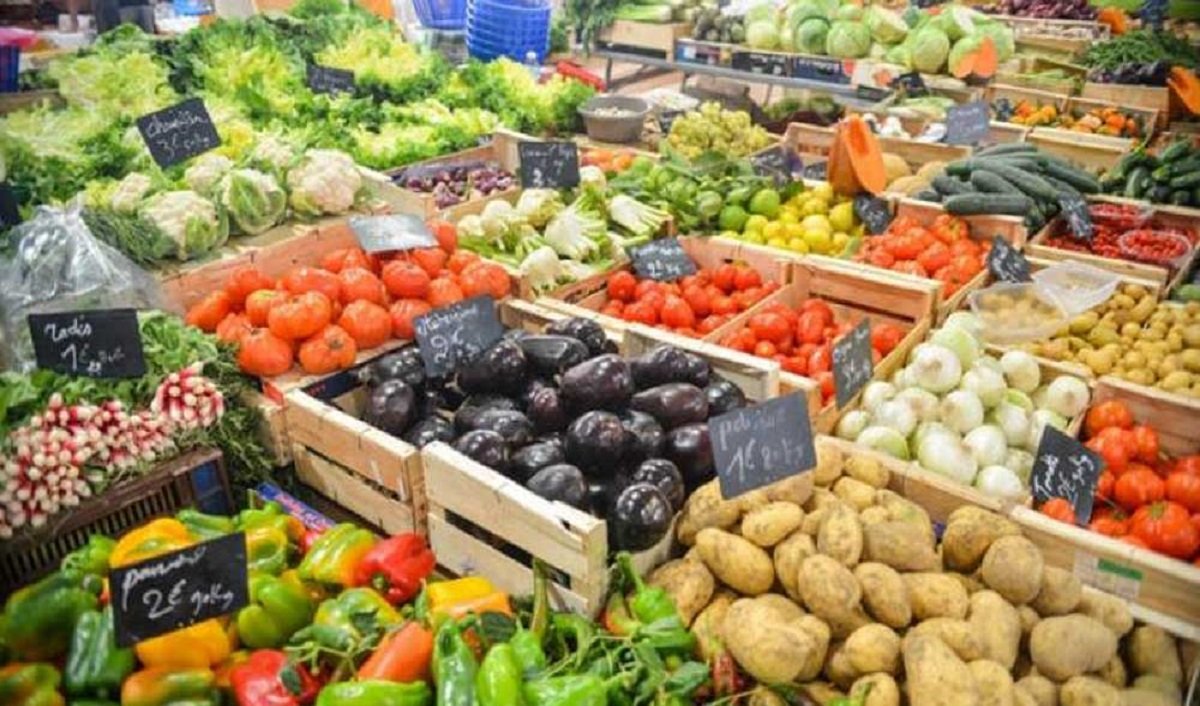
Department of Consumer Affairs data shows muted weekly inflation in staples, sharp year-on-year spike in tomato prices, and continued strength in edible oils amid easing vegetable costs
India’s retail food price landscape continues to reflect a nuanced mix of stability and volatility, with modest week-on-week movements masking sharper annual divergences across key commodity groups, according to the latest data from Department of Consumer Affairs.
Short-term stability, selective spikes
On a weekly basis, price movements remained largely contained. Wheat rose 0.19 per cent, while rice edged down 0.14 per cent, indicating relative stability in staple cereals. Pulses showed mild upward momentum, with masur dal increasing 0.25 per cent, moong dal 0.13 per cent, and arhar (tur dal) 0.11 per cent, suggesting steady consumption demand.
The most notable movement came from tomato, which surged 6.45 per cent week-on-week, significantly outpacing all other commodities and underscoring the persistent volatility in perishable supply chains.
Edible oils also recorded gains, with soybean oil rising 0.93 per cent and mustard oil up 0.13 per cent, reflecting underlying global price trends and import cost pressures.
Meanwhile, coarse grains and select vegetables softened. Jowar declined 0.52 per cent, bajra 0.24 per cent, and potato fell 0.63 per cent, while onion prices remained unchanged during the week.
Monthly trends signal easing pressure in staples
On a month-on-month basis, a broader softening trend is visible across several staples. Wheat prices declined 0.80 per cent, gram dal fell 0.51 per cent, and bajra dropped 1.45 per cent, indicating improved supply conditions.
Vegetables also showed correction, with onion prices down 3.47 per cent and potato declining 3.32 per cent over the past month, suggesting easing supply bottlenecks after earlier tightness.
However, edible oils moved in the opposite direction, with soybean oil rising 3.99 per cent and mustard oil up 0.98 per cent, reinforcing the influence of global edible oil markets on domestic retail prices.
Annual divergence highlights structural shifts
The year-on-year data reveals sharper contrasts across categories. Tomato prices have surged 32.61 per cent compared to a year ago, reflecting recurring supply disruptions and seasonal volatility. Edible oils have also seen significant increases, with mustard oil up 11.32 per cent and soybean oil rising 7.96 per cent.
In contrast, several essential commodities have become more affordable. Onion prices are down 15.90 per cent year-on-year, while potato has declined 12.82 per cent. Among pulses, arhar dal has fallen 5.22 per cent, indicating improved availability or demand adjustments.
Cereals present a mixed picture, with rice up 0.75 per cent annually, while wheat has declined 1.05 per cent, suggesting balanced supply dynamics in the staple grain segment.
A tale of two markets
The data underscores a structural divide in India’s retail food economy. Staple grains and pulses remain relatively stable due to strong supply chains and policy support, while perishables and globally linked commodities such as edible oils exhibit higher volatility.
This divergence highlights the complexity of managing food inflation in India. While broad-based inflationary pressures appear contained in the short term, category-specific spikes—particularly in vegetables and oils—continue to influence household food budgets.
Going forward, retail price trends will hinge on seasonal arrivals, weather patterns, and global commodity movements. The persistence of volatility in perishables, alongside rising edible oil prices, suggests that while headline stability may hold, underlying pressures in specific segments are likely to remain.