Friday, 3 July 2026

SFIA says prohibition on forced sale of non-subsidised fertilisers will enhance fairness and farmer choice
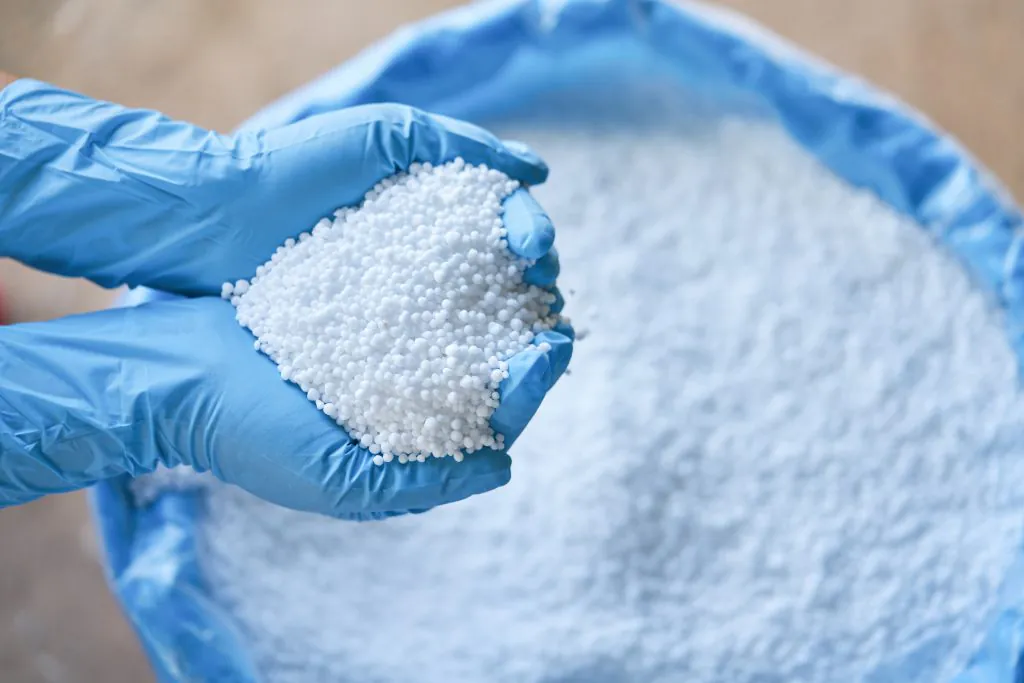
The Uttar Pradesh government’s recent decision to prohibit the forced sale, or “tagging”, of non-subsidised fertilisers along with subsidised urea has drawn support from sections of the fertiliser industry, which view the move as a step towards ensuring greater transparency and farmer choice in the distribution system.
India’s fertiliser sector operates under one of the most tightly regulated frameworks in the economy. Urea, the most widely consumed fertiliser, remains fully price-controlled, with its maximum retail price fixed at Rs 266.5 per 45-kg bag since 2012. While phosphatic and potassic fertilisers such as DAP and NPK complexes are technically decontrolled, they function within subsidy-linked pricing caps and close administrative oversight.
Beyond pricing, the Centre regulates state-wise allocation, seasonal supply, rake movement and district-level stock distribution. Even private manufacturers must adhere to approved dispatch plans, reflecting the layered controls that define the sector.
Speciality fertilisers under scrutiny
Alongside subsidised fertilisers, companies also market non-subsidised and speciality products such as water-soluble fertilisers, micronutrients, zinc sulphate and bio-stimulants under the Fertiliser Control Order, 1985. These are typically used in high-value crops and are priced significantly higher than urea. However, the segment accounts for a small share of total fertiliser consumption compared to the nearly 67 million tonnes of subsidised fertilisers consumed annually.
The Uttar Pradesh order followed allegations that some dealers were compelling farmers to purchase speciality fertilisers as a condition for obtaining subsidised urea — a practice commonly referred to as tagging.

Welcoming the move, Rajib Chakraborty, President of the Soluble Fertilizer Industry Association (SFIA), said the reform would strengthen fairness in fertiliser distribution.
“The decision by the Government of Uttar Pradesh to prohibit the forced sale (tagging) of non-subsidized fertilizers is a forward-looking initiative. This will significantly enhance fairness in the fertilizer distribution, while empowering farmers with the freedom to choose products best suited to their crop and soil requirements.
SFIA has consistently advocated for a balanced and competitive market environment where MSME manufacturers, importers, and retailers can operate on a level playing field. This reform is a positive step towards ensuring equal opportunities for all stakeholders and will further encourage innovation-driven agriculture.
We sincerely appreciate the leadership of Chief Minister Yogi Adityanath and Agriculture Minister Surya Pratap Shahi for introducing this progressive measure. We hope that other states will also adopt similar reforms to strengthen a farmer-centric and transparent agricultural ecosystem across the country.”
Structural concerns remain
Industry observers note that the fertiliser sector sits at the intersection of food security, fiscal management and agricultural sustainability. Artificially low urea prices have long been blamed for skewed nutrient consumption patterns, leading to excessive nitrogen application and NPK imbalance.
Stakeholders argue that while regulatory oversight ensures affordability and equitable access, abrupt or fragmented interventions can create market distortions. Concerns include potential supply disruptions, investor uncertainty and the risk of unregulated operators entering the speciality segment.
At the same time, the fertiliser subsidy bill remains a significant fiscal burden. Experts suggest that a calibrated approach — including gradual subsidy rationalisation, stronger soil health management and promotion of nutrient-efficient products — will be critical to achieving balanced fertilisation without compromising farmer welfare.
As states recalibrate their fertiliser policies, the Uttar Pradesh decision is likely to reignite debate on how to reconcile farmer protection, market competition and long-term sustainability within one of India’s most politically sensitive sectors.
— Suchetana Choudhury (suchetana.choudhuri@agrospectrumindia.com)