Friday, 3 July 2026

Long-term raw material agreements and subsidy discipline insulate production from global volatility
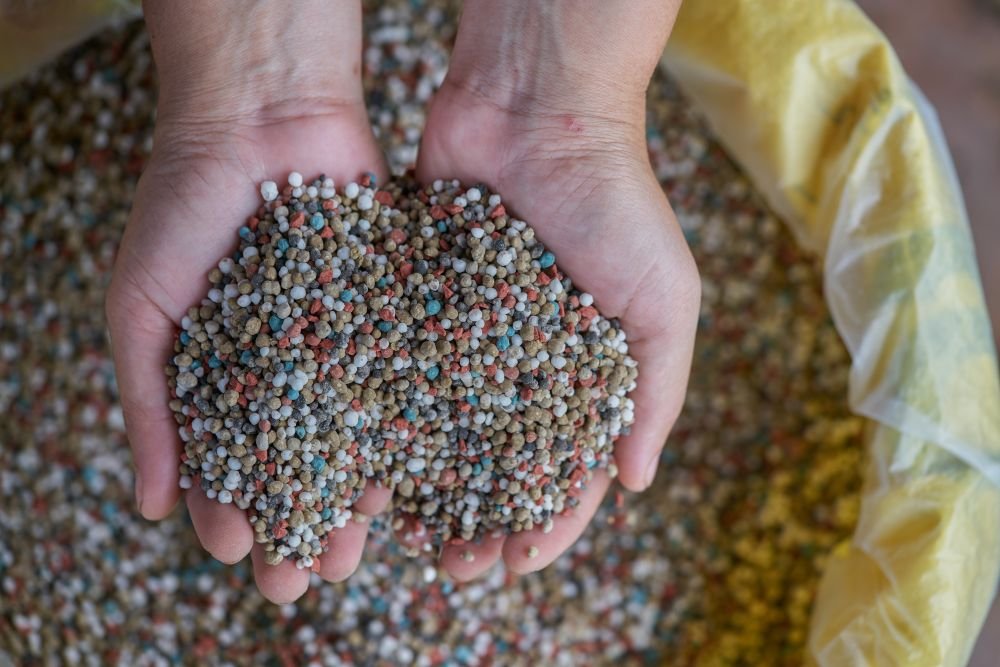
India has reached a major milestone in its push toward fertilizer self-reliance, with domestic production of phosphatic and potassic (P&K) fertilizers—including DAP and NPKs—surging to a historic high of 15.76 lakh metric tonnes (LMT) in January 2026. This marks the highest monthly output ever recorded, underscoring a structural shift in India’s fertilizer manufacturing capacity.
The Department of Fertilizers, under the Ministry of Chemicals and Fertilizers, attributed the record-breaking performance to a series of pro-industry policy reforms, investment-enabling measures, and coordinated public–private sector expansion. Together, these initiatives have strengthened domestic capacity and reduced India’s exposure to external supply disruptions.
Strategic Global Partnerships Strengthen Supply Security
To shield domestic production from global commodity volatility and logistics risks, the government has secured long-term international supply agreements with resource-rich countries. These arrangements ensure a steady flow of critical raw materials, enabling fertilizer manufacturers to operate at higher utilization levels and maintain production continuity.
Subsidy Discipline Anchors Industry Confidence
A key driver behind the output surge has been the effective implementation of the Nutrient Based Subsidy (NBS) policy. Timely subsidy disbursements have provided manufacturers with financial predictability, supporting cost control, operational planning, and reinvestment in capacity expansion. The improved fiscal framework has also encouraged the commissioning of new facilities and the scaling up of existing plants.
Beyond its industrial significance, the increase in P&K fertilizer production directly strengthens India’s agricultural supply chain, ensuring the timely availability of nutrients for farmers during critical cropping cycles. The achievement reinforces national food security objectives while accelerating progress toward Aatmanirbhar Bharat in fertilizers.
The January milestone positions India closer to becoming a globally competitive, self-reliant fertilizer producer, backed by stable policy, resilient supply chains, and sustained industrial investment.