Sunday, 5 July 2026

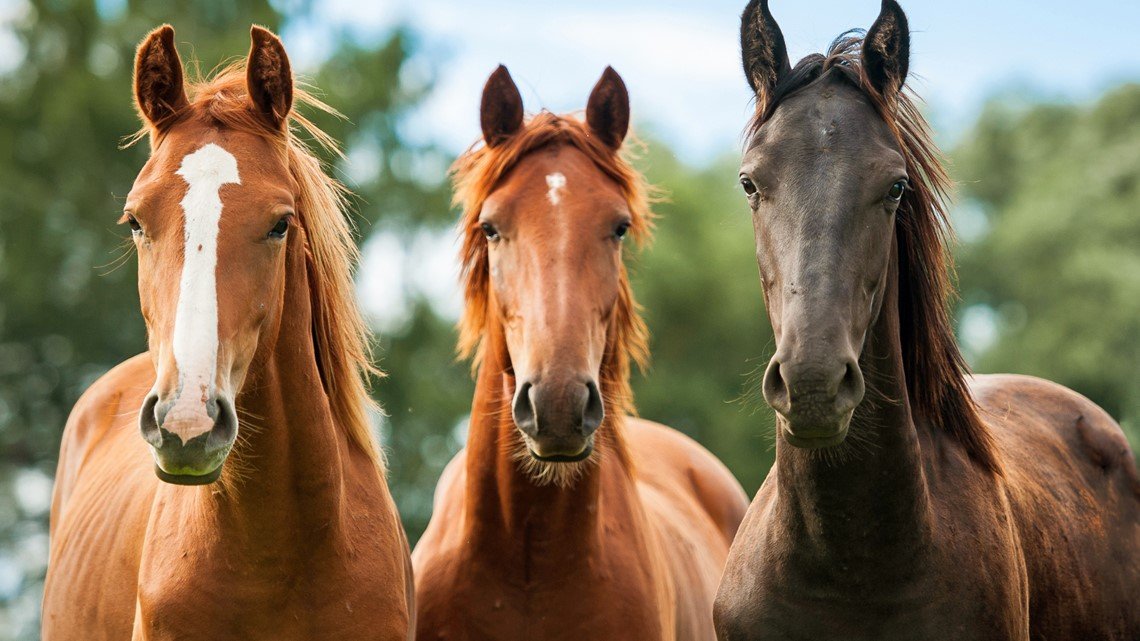
Image Source: ABC24-Memphis
In a landmark step toward aligning with global animal health standards and unlocking international markets, India has established its first World Organisation for Animal Health (WOAH)-certified Equine Disease-Free Compartment (EDFC) at the Remount Veterinary Corps (RVC) Centre & College in Meerut, Uttar Pradesh.
Formally approved on July 3, 2025, the facility is the first in India to be globally recognised as free from five major equine diseases: Equine Infectious Anemia, Equine Influenza, Equine Piroplasmosis, Glanders, and Surra. It also reinforces India’s continued disease-free status for African Horse Sickness since 2014.
The globally certified compartment represents a watershed moment for India’s equestrian community, opening the door for Indian sport horses to participate in international events without facing stringent quarantine protocols or trade barriers. Horses housed and trained at this facility are now eligible for global movement and competition, as per international animal health norms.
“This recognition is a strategic leap for India’s equine industry. It positions Indian sport horses — and the broader equine ecosystem — on the global map for the first time,” said a senior official from the Department of Animal Husbandry and Dairying, which spearheaded the initiative alongside the Ministry of Defence, the Equestrian Federation of India, and the Uttar Pradesh Animal Husbandry Department.
The EDFC adheres to the WOAH Terrestrial Animal Health Code, maintaining the highest levels of biosecurity, hygiene, animal surveillance, health monitoring, and waste management under strict Standard Operating Procedures. Officials note that the facility will also act as a template for future high-value livestock export zones across India.
This development is expected to catalyze India’s aspirations in high-value equine trade, breeding, and elite sports participation — sectors that had been long constrained by disease-related restrictions and lack of internationally compliant infrastructure.
Beyond equine health, the compartmentalisation model is now being applied to other livestock sectors. India is in the process of establishing Highly Pathogenic Avian Influenza (HPAI)-Free Compartments in poultry to boost meat and egg exports, reflecting a broader national biosecurity and export-readiness strategy.
With the Meerut EDFC now globally recognised, India takes a significant stride toward building a globally competitive, disease-resilient animal health framework — one that balances sport, trade, and public health in a fast-globalising livestock economy.