Friday, 17 July 2026

Oilseeds, coarse cereals and pulses record the steepest acreage declines, while sugarcane and jute emerge as rare gainers amid an uneven start to the 2026 monsoon
India’s kharif sowing season has begun on a cautious note, with total cropped area falling 16 per cent year-on-year as erratic monsoon progress delayed planting across major producing states. As of July 10, 2026, farmers had covered 531.25 lakh hectares, down sharply from 632.69 lakh hectares during the corresponding period last year—a decline of 101.44 lakh hectares. The slowdown reflects a broad-based contraction across almost every major crop category, underscoring how rainfall uncertainty continues to shape farmers’ sowing decisions despite expectations that acreage could recover as the monsoon advances through July and into the August sowing window.
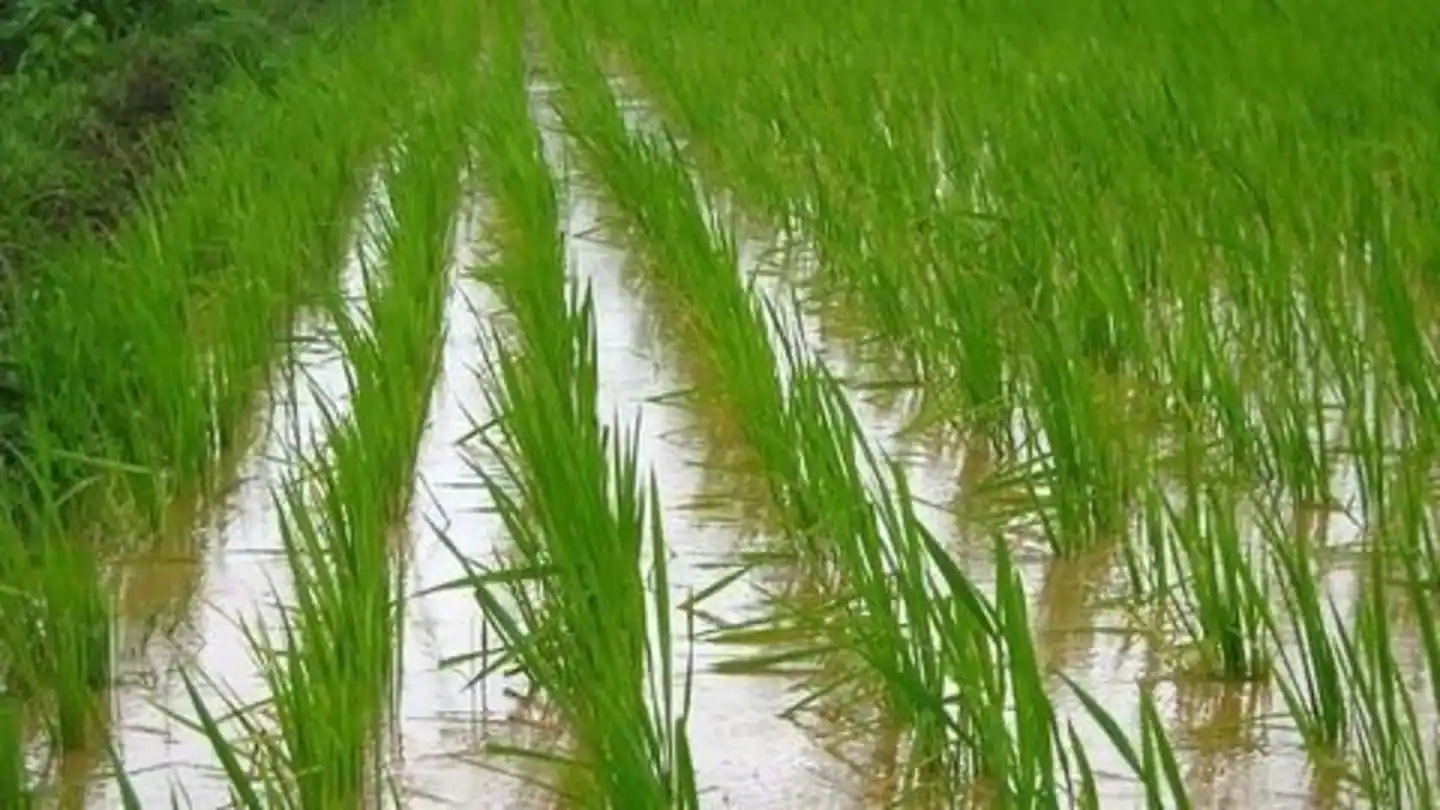
Rice, India’s largest kharif crop, recorded an area coverage of 114.69 lakh hectares, compared with 125.53 lakh hectares a year earlier, representing a decline of 10.84 lakh hectares. Although sowing remains well below last year’s pace, the current acreage still exceeds the five-year average for the same period, suggesting that delayed rather than abandoned planting is driving the slowdown. The sharpest setback has emerged in oilseeds, where acreage has dropped by 31.34 lakh hectares to 117.83 lakh hectares from 149.18 lakh hectares last year. Soybean—the country’s largest oilseed crop—accounts for much of the decline, with sowing falling 17.21 lakh hectares to 90.51 lakh hectares, while groundnut acreage contracted by 12.05 lakh hectares to 23.40 lakh hectares. Sesame also declined by 2.38 lakh hectares, although sunflower, niger and other oilseeds posted marginal gains.
Shri Anna (coarse cereals) registered the second-largest decline among major crop groups. Total acreage stood at 98.69 lakh hectares, down 28.61 lakh hectares from last year’s 127.30 lakh hectares. Maize alone accounted for nearly half the decline, dropping 13.59 lakh hectares, while bajra acreage fell 12.22 lakh hectares. Jowar, ragi and small millets also remained below last year’s levels, reflecting delayed sowing across rain-fed regions. The pulses segment has also witnessed a significant contraction. Total acreage declined by 17.22 lakh hectares to 56.63 lakh hectares, led by arhar, which fell 8.49 lakh hectares. Urad, moong and moth bean also recorded lower sowing, although kulthi registered a marginal increase over last year. The decline raises concerns over domestic pulse availability should monsoon conditions fail to improve over the coming weeks.
Among commercial crops, cotton acreage has declined by 14.41 lakh hectares, with sowing reaching 79.54 lakh hectares compared with 93.95 lakh hectares during the same period in 2025. Cotton-growing regions in central and western India continue to await more consistent rainfall before accelerating planting operations. In contrast, sugarcane has emerged as one of the few bright spots this season. Area under the crop increased by 0.86 lakh hectares to 57.58 lakh hectares, continuing to benefit from robust demand from both the sugar and ethanol industries. The resilience of sugarcane stands in sharp contrast to most rain-dependent crops, highlighting the influence of assured returns and policy support on farmers’ crop choices.
Jute and mesta also posted a modest increase, with acreage rising 0.12 lakh hectares to 6.28 lakh hectares, reflecting stable planting in eastern India. Despite the subdued start, policymakers remain optimistic that the acreage gap can narrow substantially. Agriculture Minister Shivraj Singh Chouhan has indicated that kharif sowing typically continues until August 15, leaving sufficient time for farmers to complete planting if rainfall remains favourable during the second half of July. However, the coming weeks will be decisive. Weather experts continue to warn that El Niño-related risks and uneven rainfall distribution could keep pressure on sowing progress and eventual crop yields, particularly in vulnerable districts already facing rainfall deficits.