Thursday, 16 July 2026

Nine states targeted for disease-free certification as government strengthens animal health, digital traceability and indigenous vaccine ecosystem to expand global market access
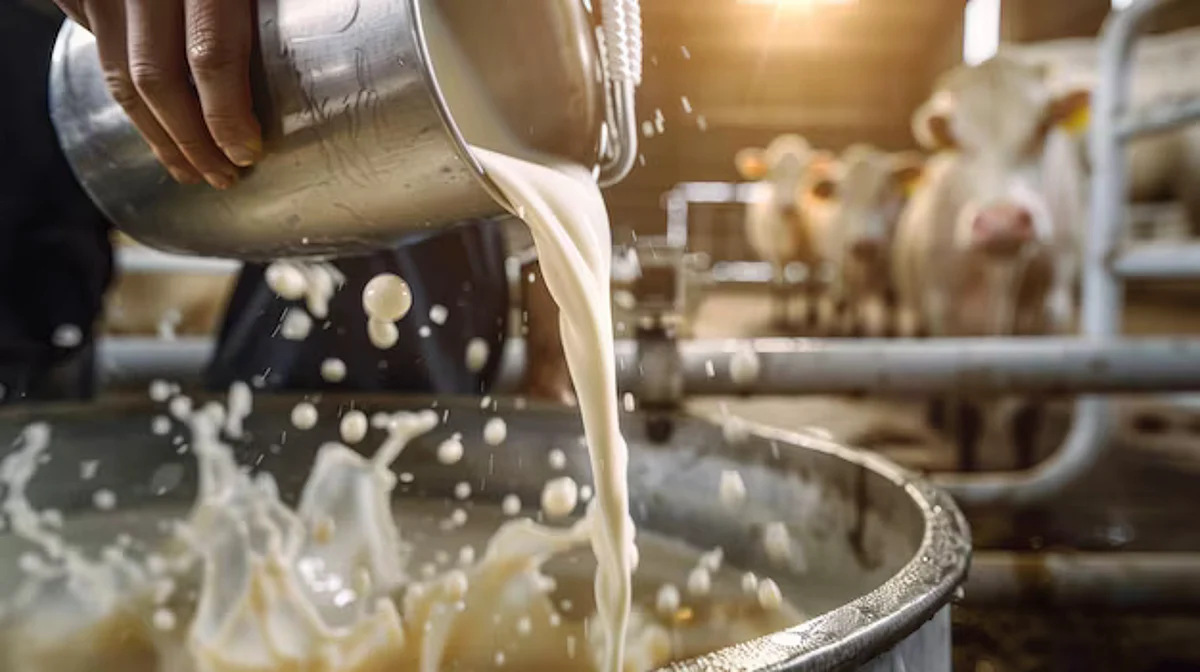
India is stepping up efforts to secure Foot-and-Mouth Disease (FMD)-free status for nine states over the next two years, a strategic initiative aimed at opening the doors to premium international dairy markets, particularly Europe, where stringent animal health standards have long limited exports from the world’s largest milk-producing nation. The ambitious programme forms part of a broader transformation of India’s livestock sector that combines mass vaccination, digital animal identification and disease surveillance to align domestic production systems with international sanitary and phytosanitary requirements.
Addressing the 98th Foundation Day of the Indian Council of Agricultural Research (ICAR), Union Minister for Fisheries, Animal Husbandry and Dairying Rajiv Ranjan Singh said sustained vaccination campaigns have significantly reduced FMD incidence across the country. Reported outbreaks declined from 105 cases in 2021 to just 40 during the previous year, reflecting the growing effectiveness of India’s indigenous disease-control strategy. The nine states selected for certification were chosen based on consistently low disease incidence and successful completion of vaccination cycles. Once certified by the World Organisation for Animal Health (WOAH), these regions would be eligible to supply dairy products to countries that require internationally recognised disease-free status, creating new opportunities for India’s dairy exporters in high-value global markets.
Alongside disease eradication, the government is building a nationwide livestock traceability framework to strengthen confidence in India’s animal health management systems. As part of this initiative, authorities have issued 13-digit digital identification numbers to approximately 380 million animals, enabling comprehensive tracking of livestock throughout their production lifecycle. An OTP-based verification mechanism has also been introduced to improve the authenticity and transparency of vaccination records. The government’s animal health strategy extends beyond Foot-and-Mouth Disease. India has developed indigenous vaccines against Classical Swine Fever (CSF) and Peste des Petits Ruminants (PPR) while also introducing a domestically developed vaccine targeting African Swine Fever, reinforcing national preparedness against major transboundary animal diseases.
Supporting these efforts is a network of 18 specialised animal research institutions, which continue to strengthen scientific research, vaccine development and technical capacity in livestock health management. Beyond the dairy sector, the minister highlighted encouraging momentum in India’s fisheries industry despite external trade disruptions. Following the imposition of a 58 per cent tariff by the United States in 2025, seafood exports demonstrated strong resilience, with export earnings increasing to Rs 73,891 crore during 2025-26, compared with Rs 62,408 crore in the previous fiscal year. The recovery has been supported by expanded international market access through India’s growing network of bilateral and regional trade agreements, helping diversify export destinations for seafood products.
However, Singh noted that inland fisheries remain significantly underrepresented in India’s export basket despite remarkable domestic production growth. Although inland fish production has increased by approximately 147 per cent since 2014, exports from the segment account for only a small share of total seafood shipments. To unlock this untapped potential, the minister called for policy innovations including drone-enabled logistics, improved cold-chain infrastructure and stronger institutional support for inland aquaculture. He also urged closer collaboration between ICAR and the Government of Odisha to accelerate the development of brackish water aquaculture, particularly shrimp farming, which continues to be one of India’s most valuable seafood export segments. Research and innovation remain central to the government’s long-term strategy. Under the Pradhan Mantri Matsya Sampada Yojana (PMMSY), ICAR has received Rs 123 crore to strengthen research programmes focused on aquatic animal health, disease prevention, genetic improvement and sustainable aquaculture technologies.
Singh further emphasised the critical role of Krishi Vigyan Kendras (KVKs) in translating scientific research into practical field-level solutions, enabling farmers to adopt improved livestock and fisheries management practices more rapidly. India’s integrated approach—combining disease control, digital traceability, indigenous vaccine development and research-led extension services—signals a broader ambition to position the country as a globally competitive supplier of safe, high-quality dairy and fisheries products. If successfully implemented, the FMD-free certification programme could represent a significant milestone in India’s efforts to expand agricultural exports while strengthening the resilience and productivity of its livestock sector.