Wednesday, 15 July 2026

From dried coriander and curry leaves to global food labelling and poultry safety guidelines, India’s leadership at CAC49 strengthens science-based international food standards while boosting export competitiveness
India has reinforced its growing influence in shaping the global food safety and standards framework after securing multiple strategic outcomes at the 49th Session of the Codex Alimentarius Commission (CAC49) held in Geneva, Switzerland, from July 6–10, 2026. The country played a pivotal role in advancing international food standards, with seven Codex texts developed under its leadership formally adopted and a proposal to develop the world’s first Codex Standard for Cashew Kernels receiving the Commission’s approval. The Indian delegation, led by Rajit Punhani, Chief Executive Officer, Food Safety and Standards Authority of India (FSSAI), participated in the high-level deliberations alongside technical experts from FSSAI and the Spices Board, underscoring India’s expanding role in the development of science-based global food standards.
Among the key outcomes was the adoption of two Codex standards developed under India’s chairmanship. The Codex Standard for Dried Coriander Seeds establishes internationally harmonised quality benchmarks for one of the world’s most extensively traded spices, while the Codex Standard for Fresh Curry Leaves introduces the first globally accepted reference framework for a culinary ingredient that holds significant cultural and commercial importance across Asia. India also contributed to five additional Codex texts under its co-chairmanship, reflecting its broader engagement across food safety, quality and sustainability. These include international standards for Vanilla and Large Cardamom, which seek to harmonise quality specifications for globally traded spices, as well as new annexes to the Guidelines for the Safe Use and Reuse of Water in Food Production and Processing, supporting sustainable water management without compromising food safety.
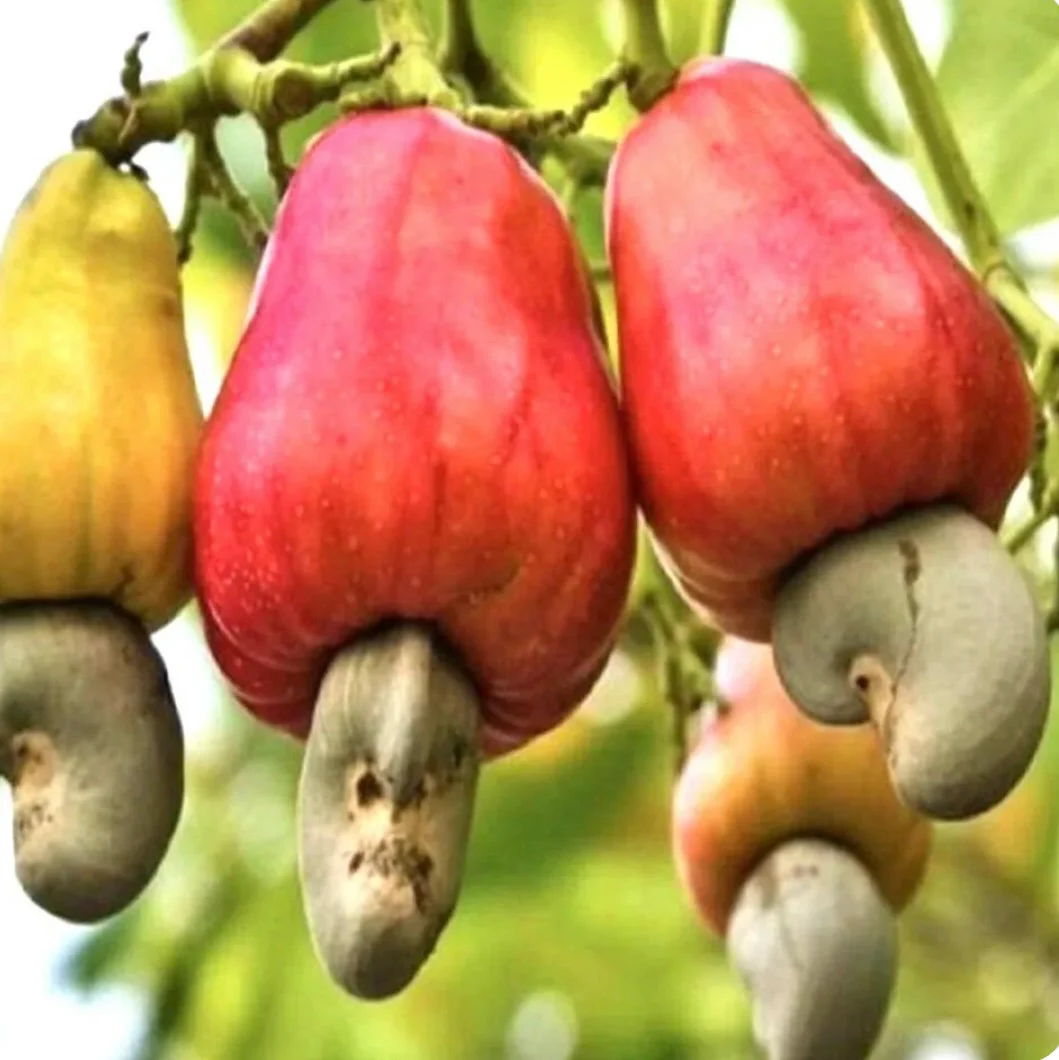
The Commission further adopted updated Guidelines for the Control of Campylobacter and Salmonella in Chicken Meat, strengthening global measures to reduce foodborne illnesses associated with poultry products. It also approved provisions covering joint presentation and multipack labelling under the General Standard for the Labelling of Prepackaged Foods, bringing greater consistency and transparency to food labelling practices in international markets. In a major boost for India’s agricultural exports, the Commission endorsed India’s proposal to initiate work on a Codex Standard for Cashew Kernels under the Codex Committee on Processed Fruits and Vegetables (CCPFV). The proposal received broad support from member countries, reflecting growing recognition of the need for globally harmonised quality and safety standards for one of the world’s most widely traded tree nuts.
The forthcoming standard is expected to strengthen India’s position in the international cashew market by reducing technical barriers to trade, facilitating smoother market access and enhancing the competitiveness of Indian exports through internationally accepted quality benchmarks. Further consolidating its leadership in global food governance, India was also elected Co-Chair of the Electronic Working Group on New Food Sources and Production Systems (NFPS). The group will examine emerging food production technologies, review existing international regulatory frameworks, identify potential gaps in Codex risk analysis principles and assess the need for future global guidance as food systems continue to evolve.
The outcomes from CAC49 underscore India’s transition from being a participant in international standard-setting to becoming a key architect of the global food safety framework. With leadership spanning spices, processed foods, food labelling, water sustainability and emerging food systems, India continues to strengthen its role in shaping science-based standards that facilitate safe trade, enhance consumer confidence and support the competitiveness of agricultural exports in global markets.