Wednesday, 15 July 2026

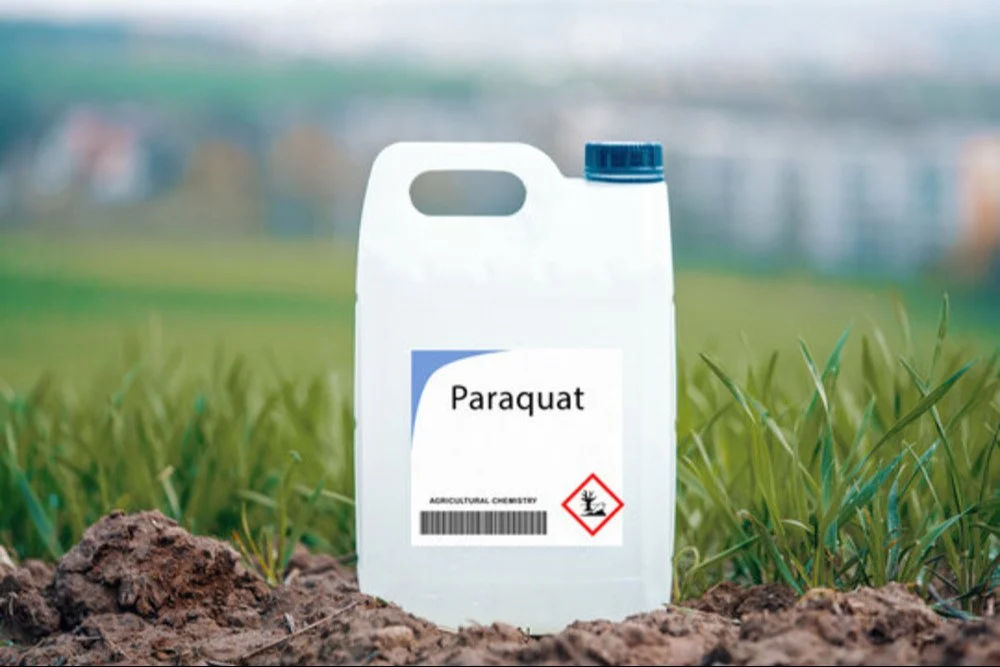
The move follows recommendations from an expert committee and the Registration Committee, which highlighted serious health concerns and the herbicide’s prohibition or restriction in more than 70 countries
India has moved to phase out one of its most widely used herbicides, with the Ministry of Agriculture and Farmers Welfare issuing a draft notification proposing a nationwide ban on Paraquat Dichloride. The proposed prohibition, driven by mounting scientific evidence and global regulatory trends, represents one of the most significant crop protection policy interventions in recent years and could reshape weed management practices across Indian agriculture. The draft order follows a comprehensive government review initiated earlier this year after growing concerns over the herbicide’s safety profile. An expert committee constituted in January 2026 evaluated the continued use of Paraquat Dichloride in India and submitted its findings in June. Based on these recommendations and subsequent consultations with the Registration Committee under the Insecticides Act, 1968, the Centre has proposed prohibiting the manufacture, import, transport, distribution, sale and use of the herbicide nationwide.
The review concluded that Paraquat Dichloride poses significant risks to both human and animal health. The Registration Committee highlighted documented cases of severe poisoning, high fatality rates following exposure, the absence of a specific antidote, and the fact that the herbicide has already been banned or subjected to stringent restrictions in more than 70 countries. These findings formed the basis for recommending a complete withdrawal of the product from the Indian market. Under the proposed Banning of Paraquat Dichloride Order, 2026, all existing registrations for the herbicide would be cancelled upon final notification. Registration holders would be required to surrender their certificates within three months, while state governments would oversee enforcement through the regulatory framework established under the Insecticides Act. The government has invited objections and stakeholder comments for 30 days before finalising the order.
Beyond its regulatory implications, the move is expected to trigger a broader transition in India’s crop protection industry. Agrochemical manufacturers, distributors and growers will increasingly look towards alternative herbicides, integrated weed management strategies and biological solutions as the industry adapts to a changing regulatory environment. The proposed ban is also likely to accelerate investment in safer and more sustainable weed management technologies, aligning India’s crop protection policies more closely with evolving global standards. If implemented, the prohibition would mark a defining moment in India’s approach to pesticide regulation, reinforcing a stronger emphasis on scientific risk assessment, public health protection and sustainable agricultural practices while reshaping the future trajectory of the country’s herbicide market.
— Suchetana Choudhury (suchetana.choudhuri@agrospectrumindia.com)