Tuesday, 23 June 2026

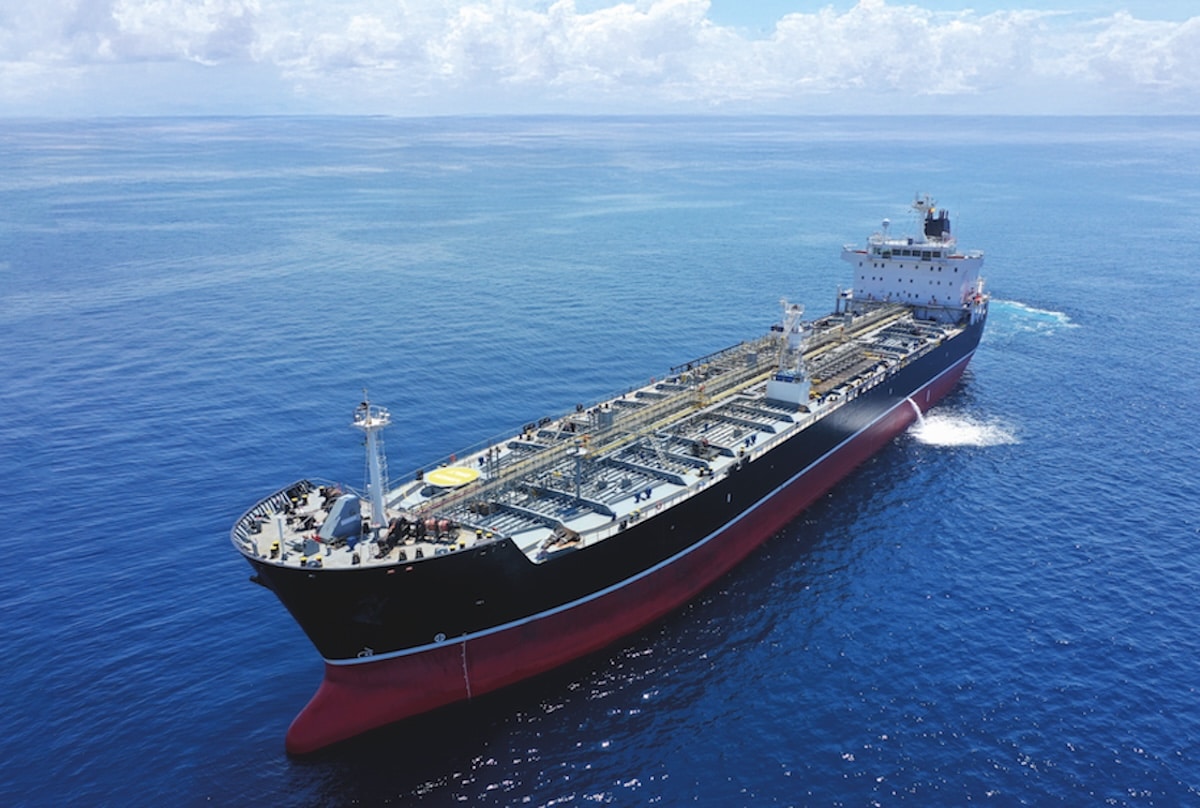
After weeks of disruption triggered by conflict in the Persian Gulf, a US-Iran ceasefire agreement is expected to revive fertiliser exports, restore shipping flows and stabilize global nutrient markets
Global fertiliser trade could be poised for a sharp recovery following the ceasefire agreement between the United States and Iran, a development expected to reopen critical shipping routes through the Strait of Hormuz and ease supply constraints that have rattled international agricultural markets in recent weeks.
According to shipping industry analysis from BIMCO, global fertiliser shipments have declined by 11 percent year-on-year since the outbreak of hostilities involving Iran, highlighting the strategic importance of the Persian Gulf in sustaining global agricultural input supply chains. The disruption has tightened availability of key nutrients, elevated freight risks and contributed to higher fertiliser prices across multiple markets.
The Strait of Hormuz serves as one of the world’s most critical maritime chokepoints for fertiliser trade. Under normal operating conditions, approximately 16 percent of global fertiliser shipments originate from the Persian Gulf and transit through the narrow waterway. Restrictions on vessel movements during the conflict significantly constrained exports from major regional producers, creating ripple effects across international fertiliser markets.
Among the hardest-hit products were phosphates, urea and sulphur. Since the beginning of the conflict, phosphate shipments have fallen by 28 percent year-on-year, while urea and sulphur cargo volumes have declined by 12 percent and 30 percent respectively. The sharp contraction in exports contributed to tightening global supply balances and supported upward pressure on fertiliser prices, particularly in nutrient-dependent agricultural economies.
“The closure of the Strait of Hormuz has restricted fertiliser exports from the Persian Gulf, tightening global supply and increasing prices. The ceasefire agreement between the US and Iran could lead to a rebound in shipments,” said Filipe Gouveia, Shipping Analysis Manager at BIMCO.
The impact extended beyond direct fertiliser exports. Supply chain disruptions also affected critical raw materials required for nutrient production. Sulphur, an essential input in phosphate fertiliser manufacturing, became increasingly constrained, affecting major phosphate-producing countries such as Morocco and China that rely heavily on imported sulphur supplies.
Similarly, the conflict disrupted natural gas availability and logistics, placing additional pressure on urea production. Global LNG shipments have reportedly fallen 7 percent year-on-year since the onset of the conflict, raising concerns over feedstock availability for nitrogen fertiliser manufacturing worldwide.
The disruption was particularly visible across dry bulk shipping markets. Fertilisers account for only about 5 percent of total global dry bulk demand, but they represent a significantly larger share of cargo volumes for smaller vessel categories. BIMCO estimates that fertiliser cargoes account for approximately 11 percent of Supramax demand and 13 percent of Handysize demand.
As a result, the loss of fertiliser cargoes disproportionately affected these vessel segments. Cargo volumes transported by Supramax and Handysize vessels fell by 13 percent and 7 percent year-on-year respectively during the conflict period. However, stronger grain exports and improved conditions in larger Panamax and Capesize markets helped offset some of the broader shipping sector impacts, supporting overall freight rates.
The recently announced ceasefire framework is expected to provide immediate relief. Under the agreement, the United States has committed to ending its naval blockade within 30 days, while Iran has pledged to facilitate the safe passage of commercial vessels between the Persian Gulf and the Sea of Oman for an initial 60-day period without imposing transit charges.
Industry analysts expect pent-up export demand to drive a rapid recovery in fertiliser shipments once normal navigation resumes. Current estimates suggest that at least 30 vessels are already loaded with fertiliser cargoes in the Persian Gulf, while another 70 ballast vessels remain positioned to load additional cargoes as trading activity normalizes.
The reopening of shipping corridors is likely to improve nutrient availability across global agricultural markets, particularly as farmers in many regions prepare for key planting seasons and seek reliable access to fertiliser supplies.
While short-term logistics are expected to improve quickly, the recovery of regional production capacity may take longer. BIMCO notes that direct damage to fertiliser production infrastructure has remained relatively limited, creating conditions for a relatively swift rebound in manufacturing and exports.
However, some key producers may continue operating below historical capacity levels. In Qatar, the strategically important Ras Laffan industrial complex is expected to function at between 50 and 80 percent capacity over the coming months following damage linked to the conflict. Meanwhile, the UAE’s Habshan complex is projected to remain below 80 percent capacity through the remainder of the year.
Despite these challenges, market participants remain cautiously optimistic that the ceasefire will restore stability to one of the world’s most important fertiliser export corridors, helping ease supply pressures, improve trade flows and support global agricultural productivity at a time when food security concerns remain elevated.
The developments underscore how geopolitical tensions in energy-rich regions increasingly influence agricultural input markets, reinforcing the strategic connection between global shipping routes, fertiliser availability and food production systems worldwide.