Thursday, 4 June 2026

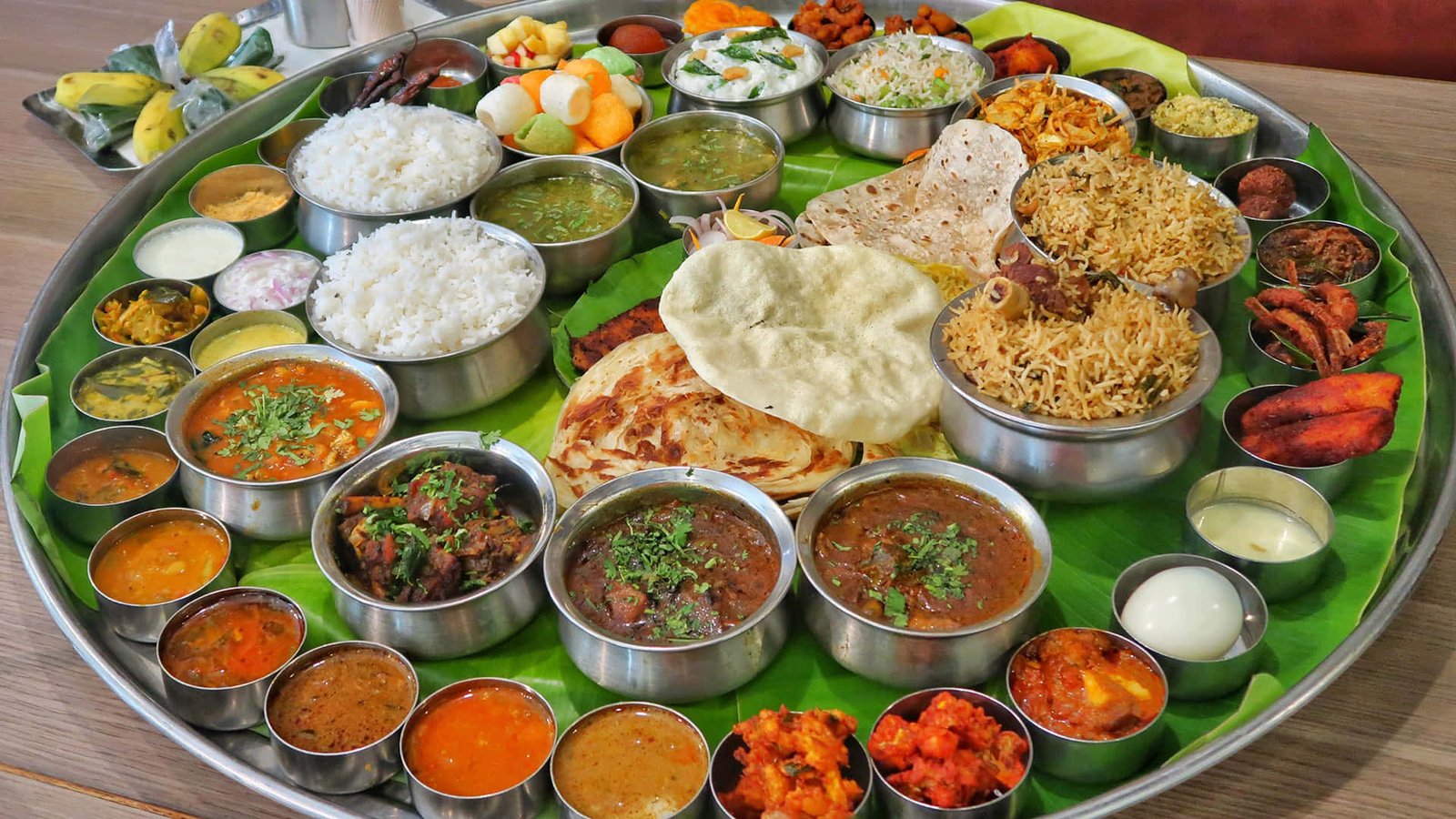
Vegetarian thali rises 5 per cent and non-vegetarian thali 7 per cent year-on-year as weather disruptions and global supply pressures outweigh relief from softer pulse, onion and potato prices
The cost of preparing a home-cooked meal in India continued to climb in May 2026, underscoring the persistent inflationary pressures facing household kitchens despite easing prices in several staple commodities. According to the latest Roti Rice Rate (RRR) report by Crisil Intelligence, the average cost of a home-cooked vegetarian thali increased 5 per cent year-on-year, while the cost of a non-vegetarian thali rose 7 per cent year-on-year, driven primarily by a sharp rise in tomato prices, higher cooking fuel costs and elevated edible oil prices.
CRISIL’s monthly indicator tracks the cost of preparing a representative thali at home using prevailing prices across north, south, east and west India, providing a practical measure of food inflation’s impact on household expenditure.
The most significant contributor to the increase was tomato, whose price surged 57 per cent year-on-year to Rs 36 per kilogram, compared with Rs 23 per kilogram in May 2025. The spike was largely attributed to a 3–4 per cent decline in rabi production in southern India, coupled with lower summer acreage and yield losses caused by prolonged high temperatures.
Adding to the burden on consumers were rising energy and edible oil costs. Vegetable oil prices increased 8 per cent year-on-year, while LPG cylinder prices rose 7 per cent, reflecting ongoing global supply-side disruptions that continue to influence domestic food preparation costs.
The rise in meal costs would have been considerably steeper had it not been partially offset by declines in several other essential food commodities. Onion prices fell 6 per cent year-on-year following fresh arrivals from the rabi harvest, while potato prices declined 14 per cent due to a 2–3 per cent increase in rabi production and continued liquidation of cold-storage inventories.
Pulse prices also eased by 2 per cent year-on-year, supported by adequate domestic supplies and the government’s decision to allow duty-free imports of tur until March 2027, helping offset domestic production shortfalls and maintain market availability.
For non-vegetarian households, the pressure was even more pronounced. CRISIL estimates that broiler chicken prices increased 9 per cent year-on-year, significantly impacting meal costs since poultry accounts for nearly half the cost of a typical non-vegetarian thali. Extreme summer temperatures led to higher bird mortality rates, constraining supply and pushing prices upward.
On a month-on-month basis, both vegetarian and non-vegetarian thali costs increased 3 per cent in May. Tomato prices climbed 23 per cent compared with April, while potato and onion prices rose 3 per cent and 2 per cent, respectively. Broiler prices also registered an estimated 2 per cent month-on-month increase, contributing further to higher non-vegetarian meal costs.

According to Pushan Sharma, Director, Crisil Intelligence, the current inflationary trend reflects the growing influence of climate variability and supply-chain disruptions on everyday food consumption.
“The cost of home-cooked vegetarian and non-vegetarian thalis increased 5 per cent and 7 per cent year-on-year, respectively, in May, driven by higher prices of tomatoes, vegetable oil and liquefied petroleum gas (LPG),” Sharma said.
He noted that tomato prices surged to Rs 36 per kilogram from Rs 23 per kilogram a year earlier, primarily because of a 3–4 per cent decline in production, while persistent global supply-side pressures pushed vegetable oil and LPG prices higher by 8 per cent and 7 per cent, respectively.
Looking ahead, Sharma expects upward pressure on several key food items to persist through the coming months.
“Tomato prices are expected to remain elevated during June-August, with supply likely to tighten because of lower summer sowing amid heat-related concerns in key northern growing states. Potato prices are also expected to inch up as the rabi harvest season concludes and higher-priced cold-storage stock enters the market. Onions, too, are likely to become costlier in the coming months, following an estimated 5 per cent decline in rabi production this year,” he said.
However, Sharma believes pulses could emerge as an important stabilising factor within household food budgets.
“The prices of pulses are expected to be subdued in the months ahead, supported by comfortable domestic availability. Pulses production is projected to be marginally higher in Marketing Year 2027, while government stocks have risen to around 43 lakh tonnes, the highest level in the past three years, supported by robust procurement under the Price Support Scheme,” he said.
Although lower tur imports from Mozambique could lend some support to prices, Sharma noted that ample domestic supplies, duty-free imports of tur and urad, and continued availability of government buffer stocks are expected to offset supply risks.
“Consequently, the broader pulses complex is likely to remain well supplied, limiting upside in prices,” he added.
The latest CRISIL assessment highlights the increasingly divergent dynamics within India’s food basket. While favourable production conditions and policy interventions have moderated prices of pulses, onions and potatoes, climate-induced disruptions in vegetable production, rising energy costs and supply constraints in poultry continue to exert upward pressure on household food expenditure.
As India moves into the monsoon season, market participants will closely monitor weather conditions, crop progress and global commodity trends to assess whether food inflation begins to ease or whether elevated thali costs remain a persistent feature of consumer spending in the months ahead.