Tuesday, 2 June 2026

Backed by record pulse reserves and lower import dependence, the government is strengthening domestic food resilience through targeted procurement interventions.
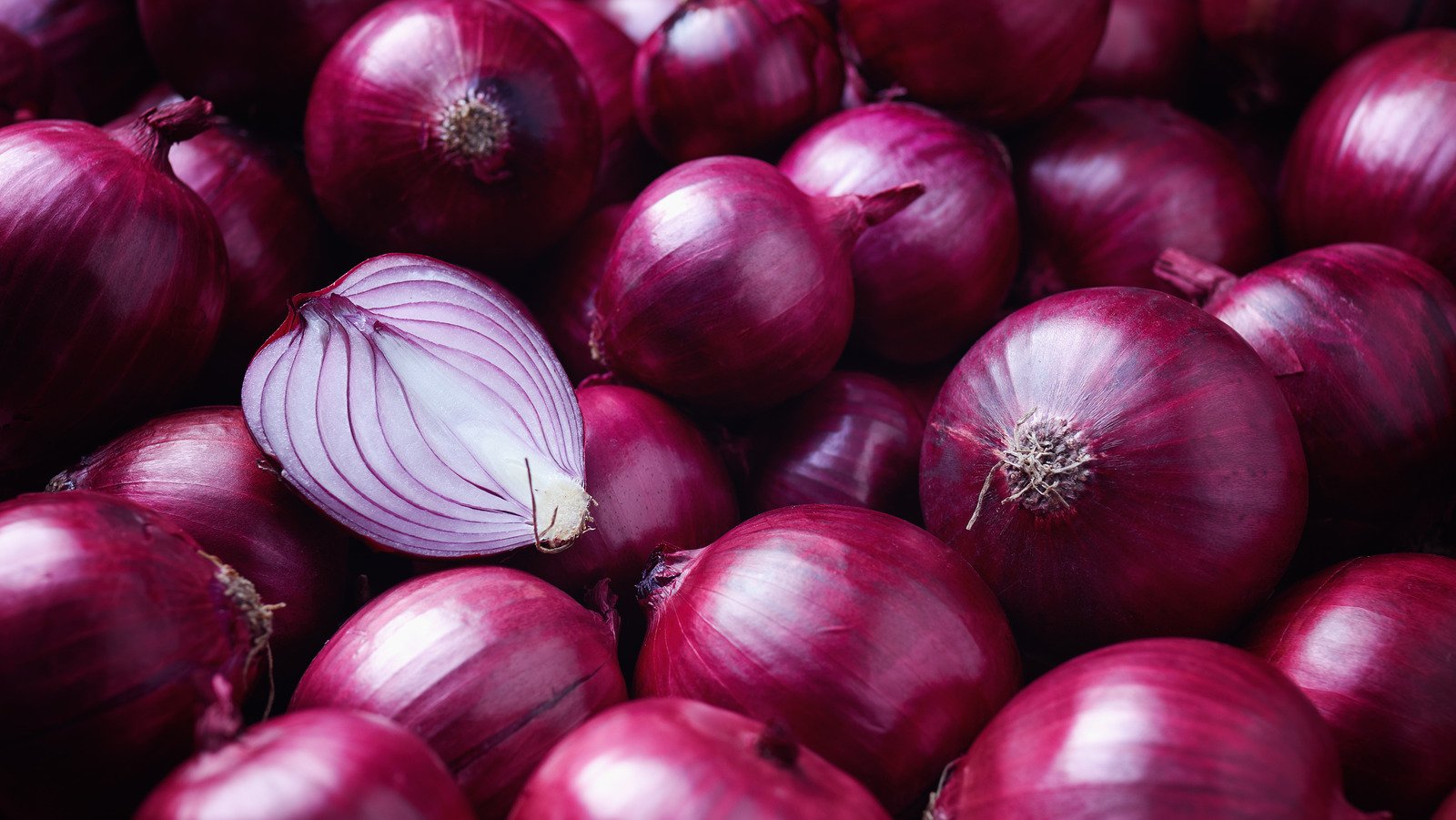
In a move that reflects both economic pragmatism and strategic foresight, the Centre has raised the onion procurement price under its buffer stock programme by 24.4 per cent to Rs 15.80 per kg, up from Rs 12.70 per kg. Far from being a routine administrative revision, the decision underscores a growing recognition within policymaking circles that agricultural market interventions must evolve beyond reactive crisis management into a more sophisticated framework of price stabilisation, farmer protection and food security preparedness.
Implemented through the Price Stabilisation Fund (PSF), the revised procurement rate takes effect for procurement operations that commenced on May 15. The timing is noteworthy. Onion growers across key producing belts, particularly Maharashtra, have endured a prolonged phase of weak price realisation, driven by abundant arrivals, muted export momentum and supply-chain distortions emanating from geopolitical disruptions in critical trade corridors.
Against this backdrop, the government’s decision represents an attempt to recalibrate market incentives at a moment when farmer sentiment has been increasingly strained. By raising procurement prices, New Delhi is seeking not merely to absorb surplus supplies but to inject a measure of confidence into a sector where price collapses can rapidly erode rural incomes and weaken future planting decisions.
The Centre has simultaneously fixed a procurement target of 2 lakh tonnes for the current season, lower than the 3 lakh tonnes accumulated during 2025–26. Yet the reduction in volume masks a more nuanced policy approach. Rather than relying solely on larger stockpiles, the government appears to be prioritising more remunerative procurement, thereby enhancing the quality of intervention while preserving fiscal efficiency.
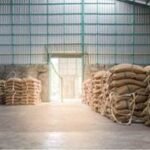
The move also forms part of a broader transformation in India’s food security architecture. Policymakers are increasingly treating strategic reserves not as passive warehouses of commodities but as dynamic instruments capable of moderating market volatility, cushioning supply disruptions and containing inflationary pressures before they escalate into macroeconomic concerns.
This shift is perhaps most visible in the pulses segment, where buffer stocks have expanded to an unprecedented 43 lakh tonnes as of May 2026—more than double the level recorded a year earlier. Supported by robust domestic output and aggressive procurement under the Price Support Scheme (PSS), the expansion has materially strengthened India’s bargaining position in global markets while reducing exposure to import dependency.
The numbers tell a compelling story. Pulse imports declined by nearly 30 per cent during 2025–26, while chana imports contracted by 51 per cent despite the continuation of liberal import policies. Such figures suggest that domestic production and procurement strategies are beginning to deliver structural gains rather than merely cyclical relief.
The onion procurement revision must therefore be viewed within this larger strategic canvas. As climate volatility intensifies, supply chains become more fragmented and geopolitical uncertainties increasingly influence commodity flows, governments can no longer afford to treat food security as a seasonal challenge. It has become a matter of economic resilience.
By raising procurement prices while simultaneously strengthening strategic reserves, the Centre is signalling a more interventionist and anticipatory approach to agricultural market management—one that seeks to balance the interests of producers and consumers without sacrificing long-term stability.
Whether this strategy ultimately succeeds will depend on execution: timely procurement, scientific storage, efficient stock rotation and agile market deployment. Yet the policy direction is unmistakable. In an era defined by uncertainty, India is steadily transforming its food reserves from a safety net into a strategic asset.