Wednesday, 27 May 2026

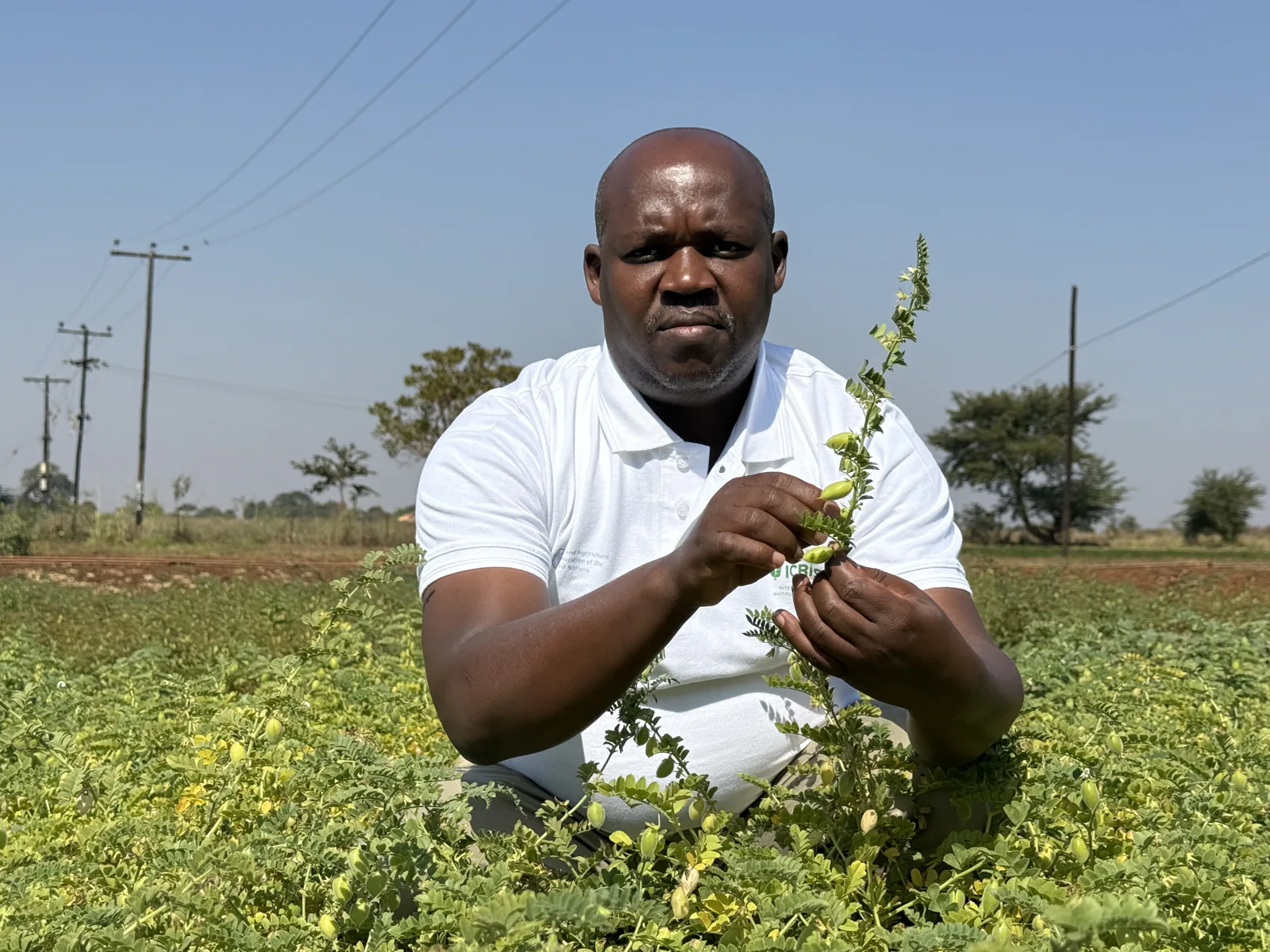
Regional initiative backed by FAO targets higher yields, stronger seed systems, and expanded market access in Zambia, Malawi, and Mozambique
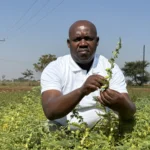
Southern Africa | 25 May 2026: The International Crops Research Institute for the Semi-Arid Tropics (ICRISAT), in partnership with the Food and Agriculture Organization of the United Nations (FAO) and regional agricultural institutions, is scaling up climate-resilient chickpea seed production across Southern Africa as rising fertiliser prices, climate pressures, and global supply chain disruptions intensify pressure on vulnerable farming systems.
The initiative, supported through the Benefit-sharing Fund of the International Treaty on Plant Genetic Resources for Food and Agriculture (ITPGRFA), is being implemented in Zambia, Malawi, and Mozambique in collaboration with national agricultural research institutions and Malawi-based Milele Agro-processors.
The programme is positioned as a strategic response to increasing agricultural input costs and climate variability affecting dryland farming regions across Southern Africa. Unlike many cereal crops, chickpea requires relatively low nitrogen fertiliser input, making it a cost-efficient and climate-resilient alternative for smallholder farmers facing declining soil fertility and rising production expenses.
ICRISAT stated that chickpea is also gaining momentum in both domestic and export markets due to its nutritional value, drought adaptability, and income-generation potential, creating opportunities for diversified agricultural growth in the region.
According to ICRISAT, farmers in Malawi currently achieve average chickpea yields of approximately 833 kilograms per hectare, despite improved varieties having the potential to produce up to 3 tonnes per hectare under better seed and agronomic conditions. The organisation estimates that with wider access to quality seed systems, national chickpea production could increase more than threefold from the 2022 baseline of 2,570 metric tonnes, while the number of farming households participating in chickpea cultivation could rise from 22,000 to more than 66,000 by 2027.
The initiative is also designed to strengthen agricultural value chains by linking research institutions, extension systems, seed producers, agrodealers, processors, and commercial buyers to create more resilient and market-oriented production systems.
ICRISAT noted that while chickpea cultivation in Malawi is currently concentrated largely in the Southern Region, significant expansion opportunities exist across suitable agroecological zones in the Central and Northern regions, supporting broader crop diversification and income generation objectives.
The programme is being coordinated by ICRISAT scientist and legume breeder Dr James Mwololo, who stated that farmers across Southern Africa are increasingly seeking crops capable of delivering stable yields and market value under harsher climatic conditions and unpredictable weather patterns.
The organisation also highlighted growing commercial demand for chickpea from regional agribusinesses and export buyers seeking more reliable and climate-resilient supply chains, positioning the crop as an emerging strategic commodity in Southern African agriculture.
Milele Agro-processors, one of the initiative’s key private-sector partners, stated that the collaboration extends beyond seed development into building stronger market systems and livelihood opportunities for farmers and rural communities increasingly dependent on resilient crops.
ICRISAT added that the broader objective of the programme is to support the transition toward more diversified, climate-resilient agricultural systems capable of strengthening long-term food security, farmer incomes, and regional agricultural sustainability across Southern Africa.