Tuesday, 19 May 2026

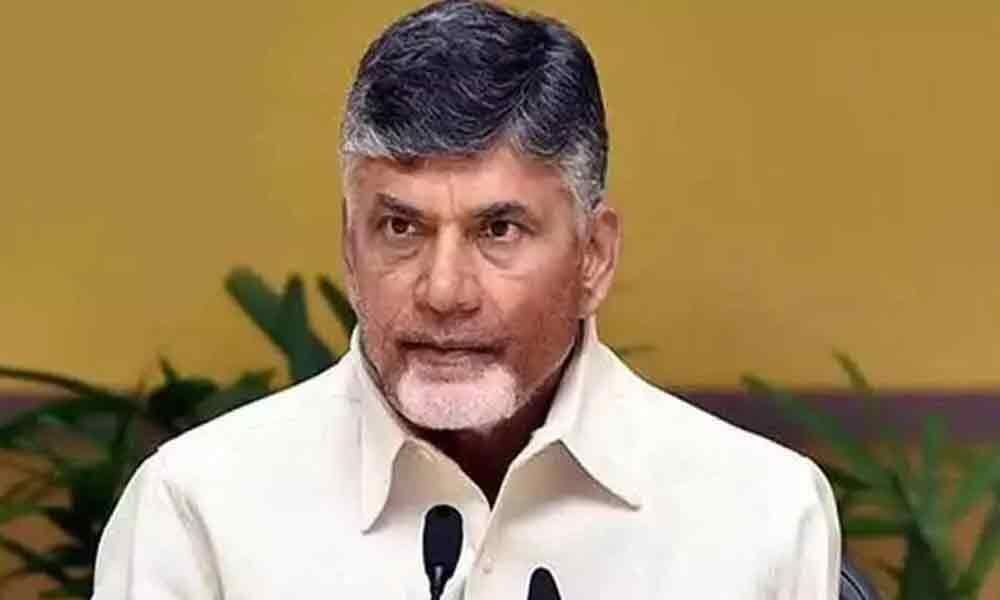
Andhra Pradesh Chief Minister seeks urgent fiscal and trade support to stabilise tobacco markets and protect aquaculture exports
N. Chandrababu Naidu has called on the Centre to urgently recalibrate tax and trade policies impacting tobacco cultivators and aquaculture producers, as mounting market disruptions, export pressures and declining prices intensify distress across two of Andhra Pradesh’s most economically significant rural sectors.
In separate communications addressed to Union Finance Minister Nirmala Sitharaman and Commerce & Industry Minister Piyush Goyal, the Andhra Pradesh Chief Minister highlighted the growing financial strain on Flue-Cured Virginia tobacco farmers following the revised cigarette taxation structure that came into effect on February 1, 2026.
Naidu said the increase in GST on cigarettes from 28 per cent to 40 per cent, alongside higher excise duties ranging between Rs 2,050 and Rs 8,500 per thousand cigarettes depending on category and size, has sharply disrupted procurement activity and weakened market demand. He cautioned that the cumulative “tax-on-tax” burden — comprising GST, excise duty and National Calamity Contingent Duty — has slowed market purchases and significantly reduced farmer realisations.
According to the Chief Minister, tobacco auction prices have already declined from Rs 280 per kilogram last year to nearly Rs 250 this season, while procurement volumes from cigarette manufacturers have weakened amid demand uncertainty. He further pointed to geopolitical instability affecting export markets, warning that the livelihoods of nearly 43,000 tobacco farmers and hundreds of thousands of workers linked to the value chain are now exposed to severe risk.
Naidu also cautioned that excessive taxation on legal cigarettes could inadvertently stimulate the growth of illicit tobacco trade, undermining both farmer incomes and government revenues.
In a parallel appeal concerning aquaculture, the Chief Minister warned that the recently imposed 50 per cent tariff by the United States on shrimp exports has sharply escalated pressure on India’s seafood industry, resulting in an effective overall tax burden of nearly 60 per cent on exports. He noted that Andhra Pradesh’s aqua exports, valued at approximately Rs 25,000 crore, face substantial disruption under the new trade conditions.
The Chief Minister said nearly 2.5 lakh aqua farming families and more than 30 lakh workers connected to the sector risk economic displacement as export demand weakens and domestic prices decline by 20–25 per cent. He added that the state government has already intervened by reducing shrimp feed prices by ₹9 per kilogram and supplying electricity to farmers at a subsidised tariff of Rs 1.50 per unit.
Seeking additional support from the Centre, Naidu proposed enhanced working capital limits, a 240-day moratorium on interest payments, and temporary exemptions from the 5 per cent interest charge and GST obligations. He further urged the Union government to intensify negotiations with the United States for tariff relief while simultaneously expanding export access to alternative markets including Russia, the European Union and Australia.
Among other recommendations, the Chief Minister appealed for prawns to be incorporated into the dietary procurement system of the Indian Armed Forces, expansion of Kisan Credit Card limits for aqua farmers to Rs 1 lakh, and introduction of dedicated railway logistics services to transport seafood from southern to northern India.
Naidu additionally sought the creation of a Rs 100-crore corpus fund through the National Fisheries Development Board for establishing a Prawn Producers Coordination Committee in Andhra Pradesh, alongside the setting up of an additional Regional Fisheries Institute in the state, as part of broader efforts to stabilise the sector and strengthen long-term competitiveness.