Saturday, 27 June 2026

DGTR says continuation of duties is necessary to protect domestic producers from recurring injury as low-priced imports continue to depress profitability despite Rs 1,900 crore in industry investments
India’s trade authority has recommended the continuation of anti-dumping duties on imports of Phthalic Anhydride from China and South Korea for another five years, concluding that low-priced imports continue to injure domestic manufacturers and threaten the long-term viability of the sector.
In its final findings issued under a sunset review investigation, the Directorate General of Trade Remedies (DGTR) said the continuation of anti-dumping measures is “appropriate and necessary” after determining that the expiry of duties would likely result in the continuation or recurrence of dumping and material injury to the domestic industry.
The investigation was initiated following an application by Indian manufacturers IG Petrochemicals Ltd, Thirumalai Chemical Industries Ltd and TCL Intermediates Pvt Ltd, which argued that dumped imports from China, Korea, Indonesia and Thailand were adversely impacting domestic operations. The review was conducted under the Customs Tariff Act and Anti-Dumping Rules after the existing duties imposed in 2021 approached expiry.
The DGTR ultimately recommended extending duties on imports from China and Korea, while Thailand was found to have a negative injury margin. The recommended anti-dumping duty stands at $40.08 per metric tonne for Chinese imports and $140.17 per metric tonne for Korean imports.
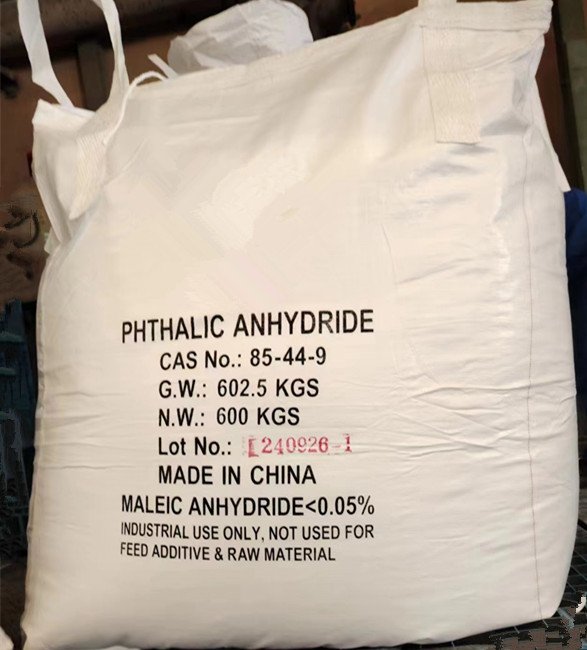
Phthalic Anhydride is a key industrial chemical used in the manufacture of plasticizers, resins, paints, coatings, dyes and pigments. The product is classified under tariff heading 29173500 and is commercially produced through catalytic oxidation of ortho-xylene or naphthalene.
The authority found that while domestic manufacturers significantly expanded capacity over the investigation period, profitability deteriorated sharply because imports continued to suppress prices in the Indian market.
According to the findings, domestic producers invested nearly Rs 1,900 crore in capacity expansion after anti-dumping duties were initially imposed in 2021. Industry capacity increased substantially, helping bridge what had earlier been a demand-supply gap in the domestic market.
The report noted that producers including Thirumalai Chemicals Ltd, TCL Intermediates Pvt Ltd, IG Petrochemicals Ltd and KLJ Group commissioned new production capacities during the review period as the anti-dumping framework created a more level competitive environment.
Despite these investments, the DGTR concluded that low-priced imports continued to exert downward pressure on domestic prices. The authority found that domestic selling prices declined by 11 index points over the injury period even though production costs fell by only 2 index points, indicating clear price depression caused by imports.
The findings also showed that domestic manufacturers suffered significant financial stress during the period of investigation. Profitability turned negative, cash profits declined sharply and return on capital employed fell into negative territory after import prices dropped further during the investigation period.
“The domestic industry recorded financial losses, including losses before interest, cash losses and a negative return on capital employed,” the authority noted in its findings.
The DGTR said imports from subject countries, particularly China and Korea, remained below domestic selling prices and below the cost of sales, limiting the ability of Indian producers to raise prices in line with costs.
At the same time, the authority acknowledged that imports from the subject countries had declined over the review period and that the domestic industry’s market share had increased. However, it concluded that the risk of injury remained high because producers in exporting countries continued to maintain significant surplus capacities and were likely to increase shipments to India if duties expired.
The authority also highlighted that exports from China and Korea to third countries were occurring below normal values, reinforcing concerns about continued dumping risks globally.
The investigation triggered extensive opposition from downstream industries, including manufacturers in plastics, coatings and construction materials, which argued that extending duties would raise input costs and hurt competitiveness. Several importers and user industries claimed the market was already protected by mandatory BIS quality certification requirements and that current industry difficulties were caused more by overcapacity and slowing demand than imports.
Interested parties also argued that the industry was witnessing a structural shift away from phthalate-based plasticizers toward non-phthalic and environmentally sustainable alternatives such as DOTP and DEHCH because of regulatory pressures and changing consumer preferences.
However, the DGTR rejected the argument that demand weakness alone explained the industry’s financial deterioration. While acknowledging changes in downstream demand dynamics, the authority said there was insufficient evidence to establish that these factors were the primary cause of injury.
The authority further stated that anti-dumping duties do not restrict imports but instead ensure that imports enter India at fair prices while maintaining a level playing field for domestic producers.
The DGTR noted that demand for Phthalic Anhydride in India has continued to grow during the period when anti-dumping duties were already in force, suggesting that downstream industries had not suffered any material disruption because of the measures.
The recommendation will now be reviewed by the Ministry of Finance, which will take a final decision on whether to formally extend the anti-dumping duties through a government notification.