Wednesday, 3 June 2026

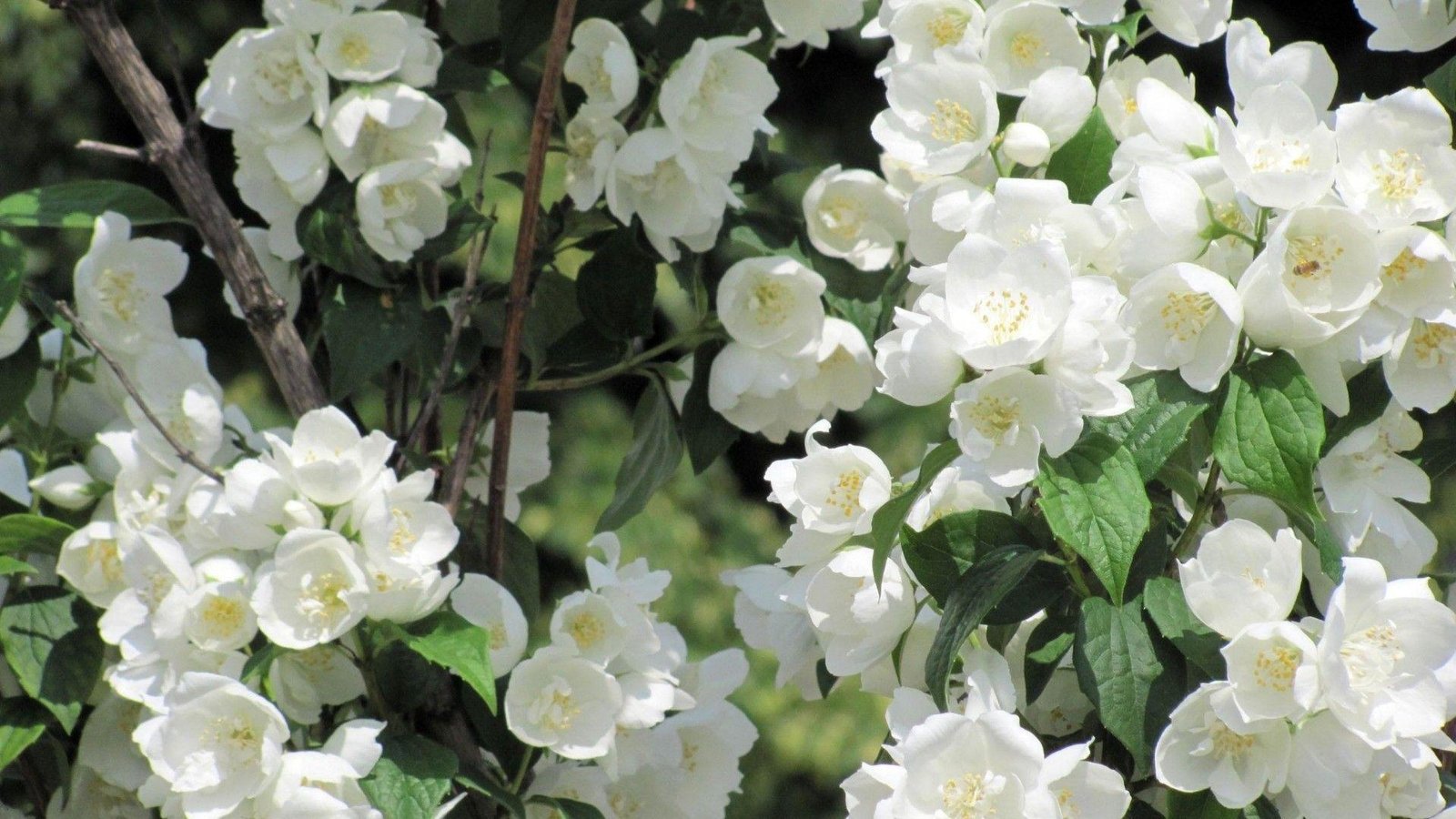
From Rs 20,000 in Chengalpattu to Rs 72,000 in Ranipet, April 15 arrivals reveal extraordinary price diversity and regional demand surges in the flower economy
On April 15, 2026, Tamil Nadu’s jasmine markets painted a vivid picture of both cultural demand and economic volatility. Prices stretched from Rs 20,000 per quintal in Chengalpattu’s Nanganallur Uzhavar Sandhai to an astonishing Rs 72,000 per quintal in Ranipet’s Ranipettai Uzhavar Sandhai. Arrivals were modest in volume but rich in value, underscoring jasmine’s unique position as a high-value, low-volume commodity in India’s agricultural landscape.
Erode’s Periyar Nagar reported jasmine at Rs 27,500 for 0.01 metric tonnes, while Sampath Nagar pushed higher at Rs 32,500. Kallakurichi’s Uzhavar Sandhai and Hosur in Krishnagiri both touched Rs 45,000, reflecting strong local demand. Madurai’s Anna Nagar stood out with Rs 55,000 for 0.04 metric tonnes, while Nagercoil’s Vadaseri APMC reached Rs 65,000, one of the highest prices of the day. Namakkal’s Rasipuram matched Madurai at Rs 55,000, while Ramanathapuram’s Paramakudi reported Rs 57,500 for 0.12 metric tonnes, and its district counterpart saw Rs 42,500 for 0.45 metric tonnes. Salem’s Thathakapatti reported Rs 35,000, while Thiruvannamalai’s Keelpennathur mirrored Chengalpattu at Rs 22,500. Thiruvellore’s Perambakkam closed at Rs 45,000 for 0.14 metric tonnes, reinforcing jasmine’s premium status across districts.
The analysis reveals three clear dynamics. First, jasmine prices are highly localized, with Ranipet’s Rs 72,000 reflecting extraordinary demand compared to the Rs 22,500 levels in Chengalpattu and Thiruvannamalai. Second, arrivals remain small, often less than half a metric tonne, yet the value per quintal is among the highest of any agricultural commodity, underscoring jasmine’s role as a cultural and ceremonial staple rather than a bulk trade crop. Third, the clustering of prices in the Rs 40,000–60,000 range across Madurai, Namakkal, Ramanathapuram, and Nagercoil signals strong regional consumption patterns tied to festivals, weddings, and export demand.
April 15 jasmine snapshot highlights the need to treat flowers as a distinct economic segment within agriculture. Unlike cereals or fibre crops, jasmine thrives on cultural cycles and seasonal demand spikes. The premium pricing in Ranipet and Nagercoil suggests opportunities for structured supply chains and export positioning, while the lower prices in Chengalpattu and Thiruvannamalai reflect localized supply pressures.
From Rs 20,000 in Chengalpattu to Rs 72,000 in Ranipet, jasmine’s journey across Tamil Nadu on April 15 was less about volume and more about value—a reminder that in India’s agricultural economy, flowers bloom not just in gardens but in balance sheets.