Wednesday, 3 June 2026

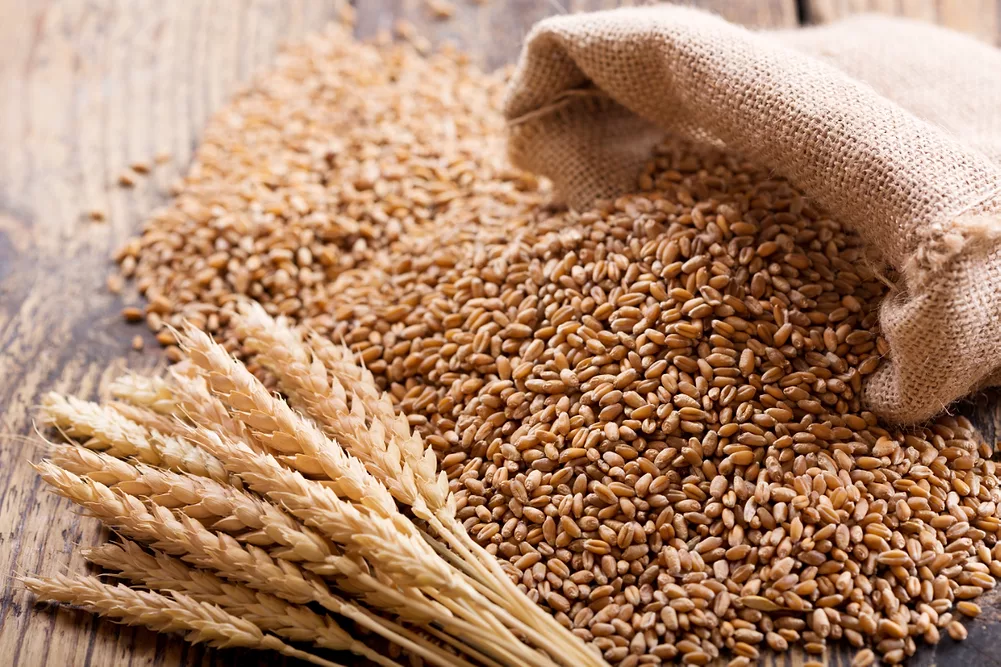
High arrivals across 506 mandis in nine states underscore strong post-harvest supply, with stable prices averaging Rs 2,358 per quintal amid resilient demand and ongoing procurement operations
India’s agricultural mandis recorded strong wheat arrivals totalling 43,985.79 metric tonnes on 14 April 2026, reflecting active supply flows across key producing states at the peak of the procurement season. The data, compiled from 506 reporting markets across nine states and 138 districts, points to steady price realisation, widespread participation, and healthy trading activity across the country’s grain markets.
Wheat remained the sole and dominant commodity reported for the day, with an average modal price of approximately Rs 2,358 per quintal, indicating stable demand–supply dynamics despite the high volume of arrivals. Price movements across mandis remained broadly firm, with minimum prices at Rs 2,000 per quintal and maximum prices reaching Rs 4,700 per quintal, reflecting variations in grain quality, grade, and localised market conditions. All prices were uniformly recorded in Indian Rupees per quintal, while arrivals were measured in metric tonnes for the single reporting day.
Regional supply was led by North and Central India, with Uttar Pradesh recording the highest arrivals at 13,508.68 metric tonnes, followed by Haryana at 12,252.00 metric tonnes and Madhya Pradesh at 8,416.33 metric tonnes, underscoring their central role in India’s wheat production and distribution landscape. Additional contributions came from Rajasthan, which recorded 4,583.10 metric tonnes, and Gujarat, which added 3,735.50 metric tonnes, together accounting for a significant share of overall mandi inflows and reinforcing the breadth of post-harvest market participation.
The scale of activity across 506 mandis highlights the depth and efficiency of India’s agricultural marketing system, with arrivals distributed widely across 138 districts, ensuring that supply is not concentrated but evenly dispersed across regions. This geographic spread reflects a well-integrated supply chain during the peak arrival period, with farmers actively bringing produce to formal market yards for transparent price discovery and trade execution.
Despite elevated arrivals, pricing trends remained resilient, suggesting that procurement operations and underlying consumption demand continue to absorb supply effectively. The relatively narrow band between the lower and upper price range, alongside a stable modal average, indicates orderly market conditions even as fresh harvests of varying quality enter the system. Premium pricing in certain markets suggests the presence of higher-grade wheat commanding stronger bids.
Overall, the data presents a picture of a well-supplied and efficiently functioning wheat market characterised by strong arrivals, stable pricing, and widespread participation across states and districts. With procurement activities ongoing and arrivals expected to continue in the near term, market sentiment remains steady, with stakeholders anticipating continued price resilience and balanced trading conditions for both farmers and buyers.