Wednesday, 20 May 2026

A clarion manifesto for robotics, sensors, and AI forged in India’s own crucible of conditions
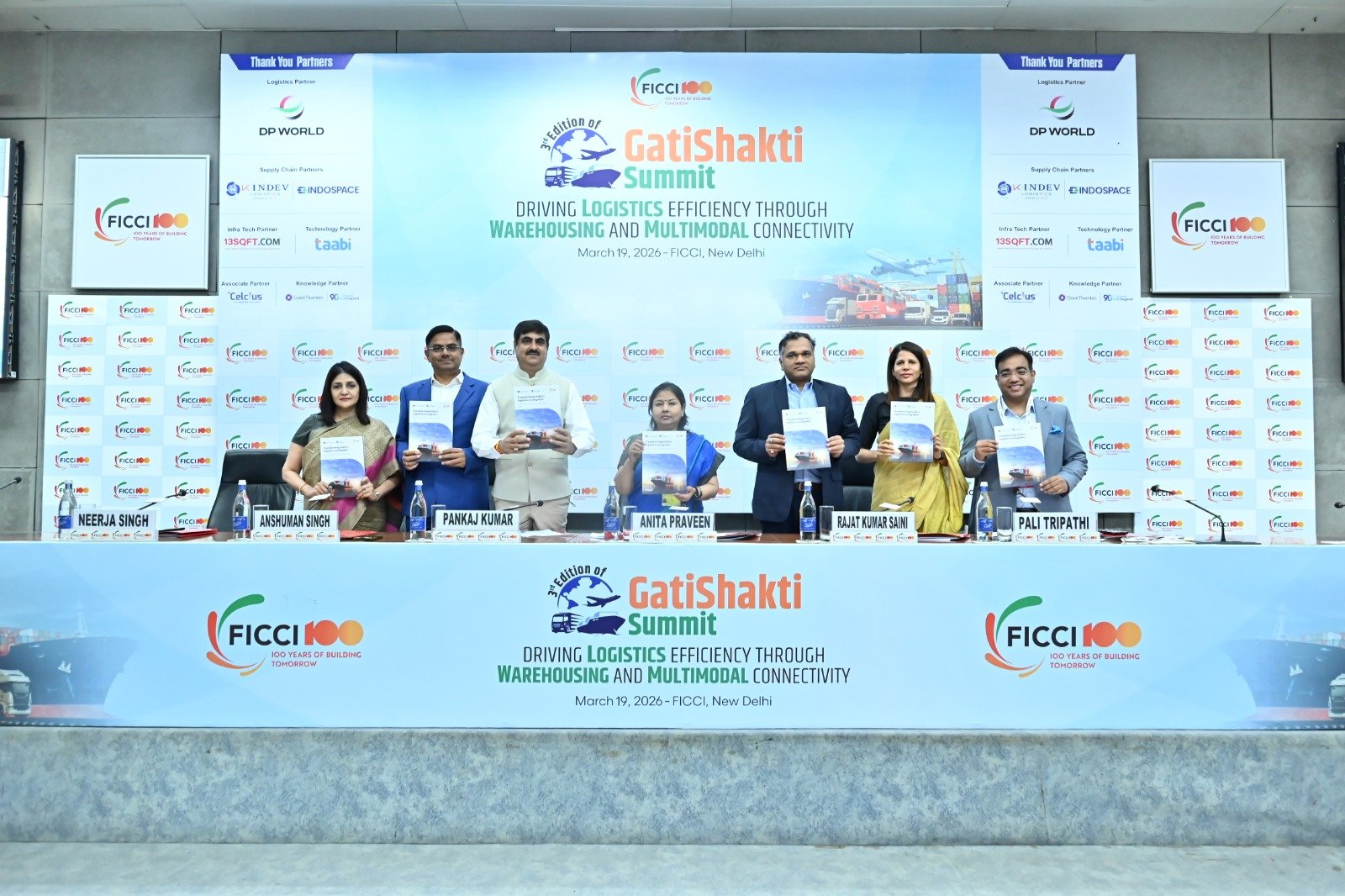
At the third edition of FICCI’s GatiShakti Summit, a knowledge report unveiled a resounding call for India to craft its own destiny in cold chain technology. The report, Transforming India’s Logistics Ecosystem: Warehousing, Cold Chain and Role of Technology, positions indigenous robotics, sensors, and artificial intelligence not as optional enhancements, but as the very sinews of resilience in India’s logistics future.
India has already reduced logistics costs from 13–14 per cent of GDP to approximately 7.9 per cent, yet the report insists that the next frontier lies in systemic intelligence, not mere infrastructure expansion. With 8,815 cold storage facilities and a capacity of 402.18 lakh metric tonnes, the paradox of persistent post‑harvest losses — ranging from 6 to 15 per cent — underscores the urgency of automation, integration, and domestically anchored R&D.
The vision articulated is nothing short of transformative: a national R&D centre for cold chain automation, lowering capital expenditure, driving energy‑efficient models, and insulating India from the vulnerabilities of imported technology. Industry leaders and policymakers at the summit framed this as a pivot from capacity to capability, from fragmented nodes to integrated ecosystems.
India’s logistics landscape is poised for an unprecedented surge — 500 million square feet of logistics parks today, projected to exceed 1,000 million square feet within five years, propelled by PM GatiShakti, the National Logistics Policy, and the Bhavya Yojana. Yet, as officials emphasized, efficiency is not merely cost reduction; it is resilience, sustainability, and stakeholder empowerment.
The report crystallizes a singular truth: indigenous cold chain automation is indispensable to India’s ambition of building a globally competitive, climate‑resilient logistics ecosystem ahead of Viksit Bharat 2047. It is a clarion manifesto for innovation, a strategic bulwark against external dependency, and a lodestar guiding India’s march toward infrastructure independence and logistical sovereignty.
Source: Exim News Service