Friday, 12 June 2026

India has moved to strengthen agricultural cooperation with Nepal and the Maldives, signaling a broader push for regional food security, research collaboration, and climate-resilient farming across South Asia and the Indian Ocean region.
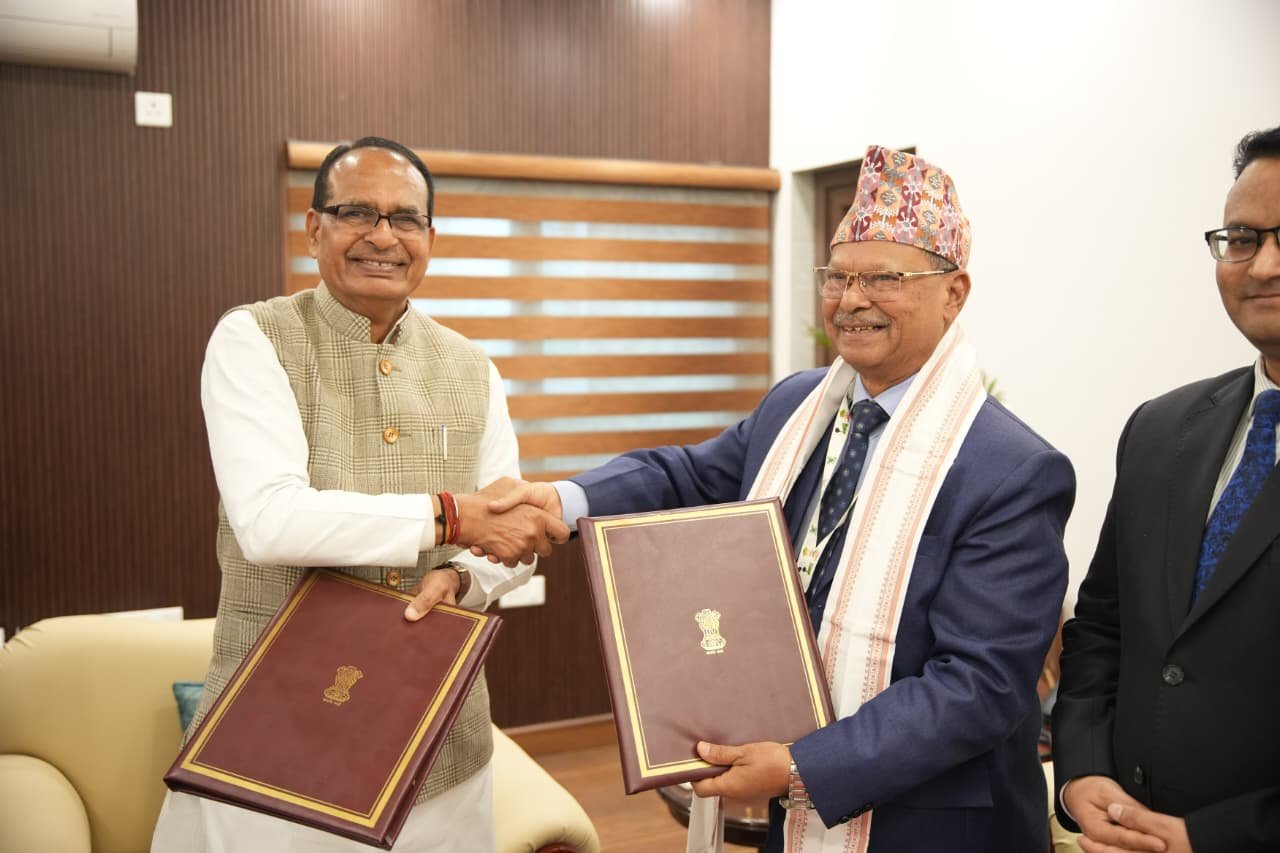
Union Minister for Agriculture and Farmers’ Welfare and Rural Development, Shivraj Singh Chouhan, held high-level discussions with Nepal’s Minister of Agriculture and Livestock, Dr. Madan Prasad Pariyar, and Maldives’ State Minister for Agriculture and Animal Welfare, Ahmad Hassan Didi, at his New Delhi residence. The talks focused on expanding cooperation in agricultural research, advanced seed technology, livestock development, soil health, and agro-climatic adaptation.
Calling Nepal and the Maldives “close friends of India,” Chouhan emphasized that the partnerships extend beyond diplomacy to shared cultural and historical ties, creating a strong foundation for long-term collaboration. “Agricultural development is central to rural prosperity and regional stability,” he noted, underscoring India’s intent to play a leading role in capacity-building and knowledge-sharing.
A key outcome of the meeting was India’s assurance to provide advanced variety seeds to Nepal, aimed at improving crop productivity and resilience amid climate variability. The move builds on an existing Memorandum of Understanding (MoU) between India and Nepal on agricultural research, which both sides agreed to expand to include new joint projects and wider institutional collaboration.
India also committed to extending the benefits of cutting-edge agricultural research conducted at the Indian Council of Agricultural Research (ICAR), Pusa, New Delhi, to both Nepal and the Maldives. ICAR’s work in seed development, soil management, and sustainable farming practices is expected to directly support yield improvement and food security in partner countries.
Livestock development featured prominently in the discussions, with deliberations on breed improvement, disease control, and sustainable livestock practices — areas critical for rural incomes and nutritional security across the region.
The Minister highlighted the formation of a Joint Working Group between India and Nepal during the BIMSTEC summit, designed to operationalize agricultural cooperation and accelerate on-ground implementation.
For the Maldives, discussions were tailored to its unique island agro-climatic conditions, including limited arable land and saline soils. Cooperation avenues explored included soil health management, climate-appropriate seed varieties, farmer training programs, and collaborative research. India’s experience in diverse agro-ecological zones positions it as a key partner in supporting the Maldives’ food self-reliance goals.
The meeting was attended by Dr. M. L. Jat, Director General of ICAR; Mohammad Anees, Permanent Secretary, Ministry of Agriculture and Animal Welfare, Maldives; and senior officials from India’s Ministry of Agriculture and Farmers’ Welfare.
Overall, the discussions mark a strategic step toward deeper regional agricultural integration, aligning with shared priorities of sustainable development, food security, and economic resilience in South Asia and the Indian Ocean region.