Wednesday, 3 June 2026

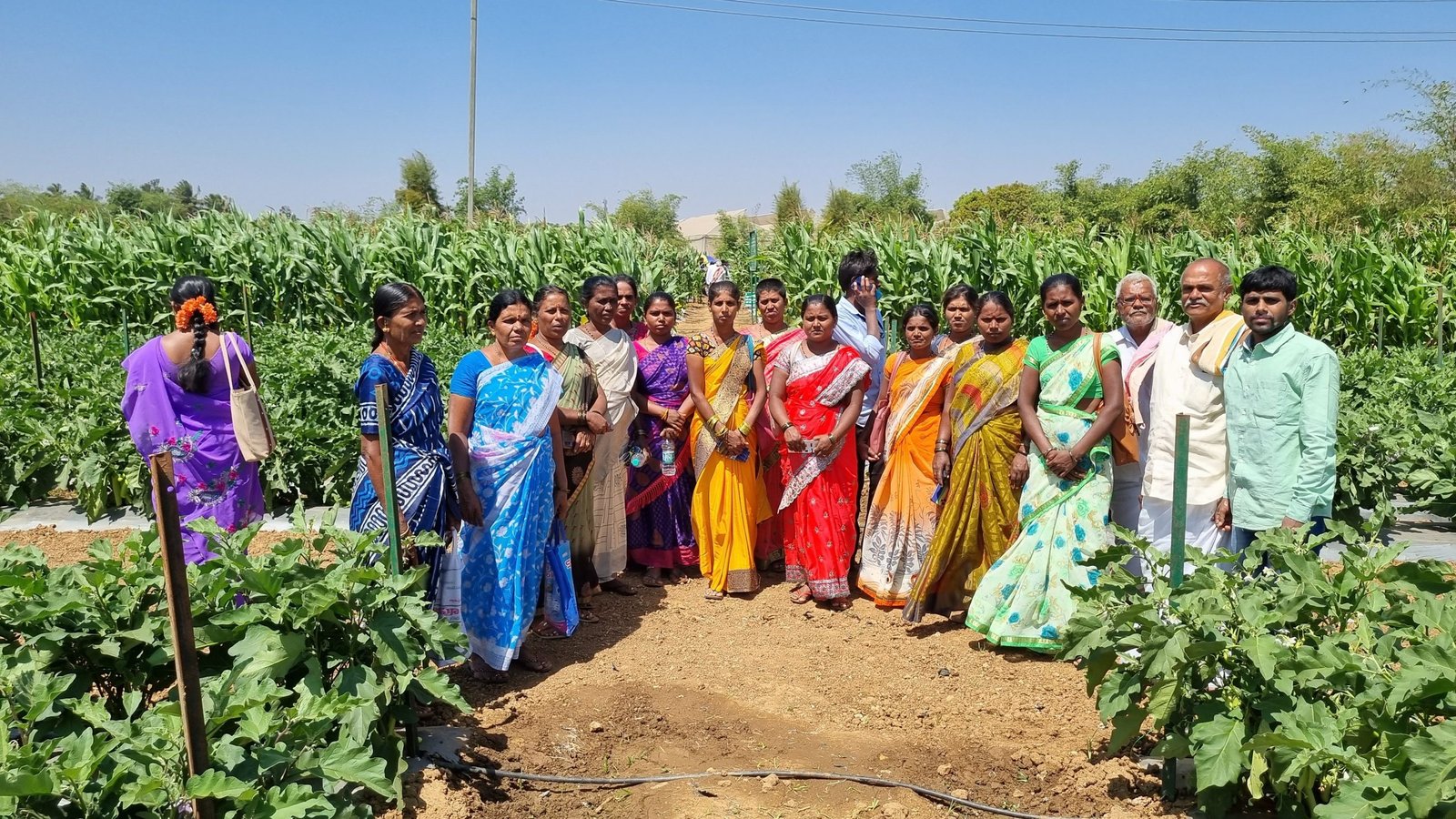
Three-year exemptions and extended deductions strengthen financial viability and enable reinvestment into agriculture
Union Budget 2026 introduces a series of tax and dividend reforms for cooperatives, aimed at enhancing income flows, promoting member participation, and strengthening rural value chains. By extending deductions and providing targeted exemptions, the Budget reinforces the cooperative model as a cornerstone of India’s agricultural and agribusiness ecosystem.
Extended Deductions for Agricultural Cooperatives
Primary cooperatives engaged in the supply of milk, oilseeds, fruits, and vegetables will now also be able to claim deductions for cattle feed and cotton seeds produced by members. This broadening of scope encourages cooperatives to diversify operations into upstream inputs and allied agricultural products, strengthening the entire value chain from production to market.
By including cattle feed, cooperatives can integrate dairy and fodder supply, improving livestock productivity and milk output.
Inclusion of cotton seeds incentivises quality input production and ensures better returns for cotton farmers, linking cooperatives directly to higher-value agribusiness operations.
Dividend Income Benefits and Tax Neutrality
The Budget allows dividend income of cooperatives to be deductible under the new tax regime, provided it is distributed to members. This ensures that earnings remain within the cooperative ecosystem, promoting member-centric profit distribution rather than taxation leakage.
Strategic Implications:
Strengthens the financial viability of cooperatives by retaining value for members.
Encourages reinvestment in production, processing, and supply chain infrastructure.
Aligns incentives with the government’s inclusive growth agenda, ensuring benefits reach smallholders and rural producers.
National Cooperative Federations: Temporary Dividend Exemption
National cooperative federations will receive a three-year exemption on dividend income for investments made up to 31 January 2026, conditional on passing dividends to member cooperatives. This measure enables federations to:
Reinvest earnings into infrastructure, technology adoption, and capacity building.
Provide downstream support to primary cooperatives, enhancing efficiency and reach.
Strengthen linkages between local farmers and national markets, creating scalable agri-value chains.
Agribusiness and Rural Economic Payoff
These cooperative sector reforms reflect a strategic approach to rural development:
By broadening deductibles and supporting dividend distribution, Budget 2026 ensures cooperatives remain financially sustainable while increasing farmer incomes.
Encourages vertical integration—linking input production, primary agriculture, and processing—positioning cooperatives as agribusiness hubs.
Supports livelihood security for millions of small and marginal farmers through a member-centric profit-sharing model.
Strategic Outlook
Union Budget 2026 underscores the role of cooperatives as agents of inclusive agricultural growth, providing both economic stability and market access for rural producers. By linking tax incentives, dividend policies, and investment support, the Budget transforms cooperatives into robust platforms for agribusiness, financial inclusion, and rural development, ensuring that gains from modernised agriculture reach the grassroots.