Sunday, 12 July 2026

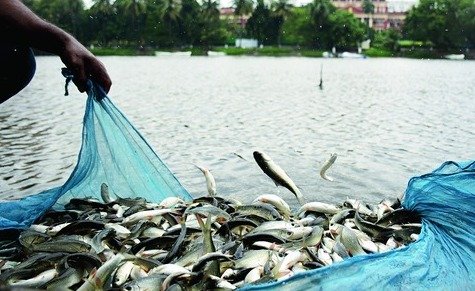
Union Budget 2026 introduces a major reform for the fisheries sector, allowing fish caught by Indian vessels in the Exclusive Economic Zone (EEZ) to be duty-free.
Additionally, the produce from these zones sold abroad are officially recognised as exports, and the Budget removes the Rs 10 lakh cap on such sales. These measures aim to integrate India’s fisheries sector into global value chains, expand market access, and enhance incomes for fishers and coastal communities.
Duty-Free Catch and Export Recognition
By exempting EEZ-caught fish from customs duties, the Budget reduces transaction costs and improves competitiveness for Indian fishers in international markets. Recognising overseas sales as exports provides access to trade benefits, preferential agreements, and better financing options, incentivising modernisation and scaling of fisheries operations.
E-Commerce as a Global Market Gateway
The removal of the Rs 10 lakh cap and explicit support for e-commerce exports opens a direct channel for small-scale and medium fisheries operators to sell their produce globally. This facilitates better price realisation, faster market linkages, and expanded participation in premium seafood segments, transforming traditional fishing into agri-linked agribusiness enterprises.
Enhancing Rural and Coastal Livelihoods
Fisheries are a critical source of income for coastal populations. By expanding market access and enabling global trade, Budget 2026 strengthens rural livelihoods, creates employment in post-harvest processing, cold chains, logistics, and export services, and integrates the sector into broader agricultural and aquaculture value chains.
Strategic Outlook
These reforms reflect a market-oriented approach to fisheries, balancing domestic welfare with global competitiveness. By linking traditional fishing with modern trade platforms and export mechanisms, the Budget positions Indian fisheries as a high-value, export-driven sector, supporting both rural economic resilience and India’s global agribusiness ambitions.