Saturday, 11 July 2026

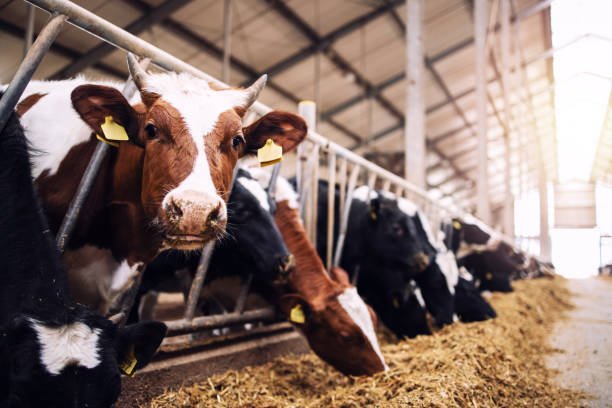
Union Budget 2026 positions traditional medicine and animal health as strategic components of India’s agricultural and rural growth agenda.
By expanding institutional capacity in Ayurveda and AYUSH, while scaling up veterinary education, diagnostics and R&D, the Budget links public health, livestock productivity and farm income resilience into a single policy framework.
Building Scale in Traditional Medicine
The Budget proposes the establishment of three All India Institutes of Ayurveda, alongside the upgradation of the WHO Global Centre for Traditional Medicine in Jamnagar. These investments aim to deepen research, standardisation and global market access for India’s traditional medicine systems.
For agriculture, this has direct supply-side implications. Ayurveda and AYUSH rely heavily on medicinal plants, herbs and bio-resources cultivated in rural and forest-adjacent areas. Strengthening institutional research and global recognition is expected to expand demand for medicinal crop cultivation, offering farmers diversification opportunities beyond conventional cereals and cash crops.
Linking AYUSH Expansion to Farm Diversification
By upgrading AYUSH laboratories and strengthening quality assurance infrastructure, Budget 2026 addresses a critical constraint in the traditional medicine value chain: consistency and export-grade standards. Improved testing and certification can unlock higher-value domestic and international markets, improving price realisation for farmers engaged in medicinal plant cultivation.
This aligns with the Budget’s broader objective of promoting high-value agriculture and reducing dependence on volatile commodity markets.
Veterinary Capacity as an Agricultural Productivity Lever
Livestock remains a key stabiliser of rural incomes, particularly for small and marginal farmers. Recognising this, Budget 2026 proposes scaling up availability of veterinary professionals through a Loan-Linked Capital Subsidy Support Scheme aimed at expanding the number of veterinary doctors, veterinary colleges, laboratories and R&D facilities.
Improved veterinary coverage directly translates into higher milk yields, better disease control, reduced mortality and improved reproductive efficiency—outcomes that strengthen household income and food security. The Budget’s focus on infrastructure and human capital reflects a shift from reactive disease management to preventive and productivity-oriented livestock care.
R&D and Diagnostics: Closing the Last-Mile Gap
Investments in modern veterinary laboratories and R&D will strengthen disease surveillance, vaccine development and diagnostics—critical in an era of climate-induced disease emergence and rising biosecurity risks. For agriculture, this enhances resilience across dairy, poultry and small ruminant systems, which are increasingly important contributors to farm income.
The Strategic Agriculture Payoff
Together, these initiatives reflect a coherent Budget 2026 strategy: expanding agriculture beyond crop production into allied sectors that deliver stable, higher-value incomes. By integrating traditional medicine supply chains and livestock health systems into the rural economy, the Budget strengthens both income diversification and export potential.
As India advances toward Viksit Bharat, Budget 2026 underscores that agricultural transformation will be driven as much by science, skills and standards as by acreage and output—linking farms, laboratories and global markets into a unified growth ecosystem.
— Suchetana Choudhury (suchetana.choudhuri@agrospectrumindia.com)