Friday, 10 July 2026

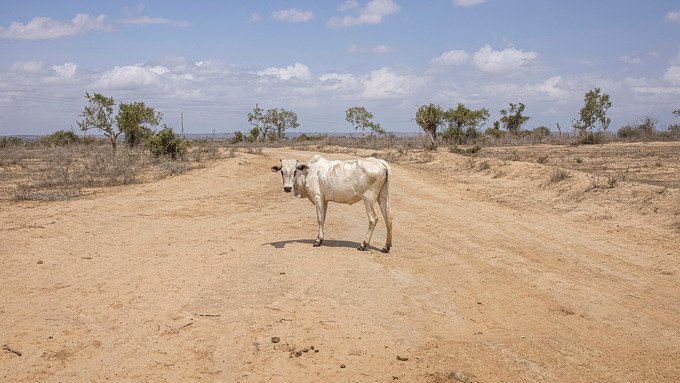
Photo source: ©FAO/Patrick Meinhardt
Four examples of practical solutions to extreme heat in agriculture
Heat just used to be part of the job for Sary Kea, a rice farmer in Cambodia’s Northern Tonle Sap Basin. Until it started hurting her harvest. In the last few years, extreme heat caused major losses in rice harvests.
“We had to sow seeds repeatedly, but the rain never came,” she says. Each failed attempt meant lost income, added costs and growing anxiety about the next season. That pattern is playing out far beyond Cambodia.
A new analysis by the Food and Agriculture Organization of the United Nations (FAO) and the World Meteorological Organization (WMO) shows how extreme heat interacts with rain, humidity, wind and drought to produce compound effects that disrupt farms and ecosystems alike.
Extreme heat refers to periods when daytime and night-time temperatures exceed normal ranges for long enough to cause physiological stress and direct damage to crops, livestock, aquatic species, forests and people. The consequences show up in lower yields, stressed fisheries, higher fire risk and farm workers pushed into unsafe conditions.
Adapting will require investment in heat-tolerant plant varieties and animal breeds, new practices and hard choices about what can still be grown where. But farmers also need answers for the upcoming seasons. With more severe heat likely in the coming years, the immediate solutions are practical. Here are just four of these answers to extreme heat:
Early warning, early action
Farmers can’t prepare for what they don’t know is coming, which is why early warning is one of the smartest defences we have against extreme heat. But temperature predictions are not enough. Forecasts need to be translated into practical, local guidance so farmers can make good decisions.
In Cambodia, the Green Climate Fund (GCF)-funded PEARL project is helping around 450 000 farmers across four provinces get ahead of dangerous heat by installing and upgrading weather stations and sending crop-specific advisories through a phone app, with alerts delivered in both text and audio for farmers who don’t read easily.
At the start of the April hot season, for example, Cambodian farmers were advised to maintain soil moisture with mulch. When forecasts exceed 38°C, alerts recommend shading vegetables, storing extra water, shifting irrigation to cooler hours and keeping produce out of the sun.
That lead time turns heat from a surprise into something farmers can plan for. What works depends on the crop, the animals and the location, but the principle is the same: pair locally relevant advice with basic supplies to reduce heat stress. In some cases, that means shading crops, installing misters or increasing water storage. In others it’s management changes, like adjusting planting dates, feeding cattle in cooler hours so digestion doesn’t add additional heat, or prioritizing shade for poultry, which cannot sweat.
Heat tolerant varieties and breeds
Where extreme heat is becoming the norm, it may mean switching to crops better suited for heat or water stress or even switching from cattle to more heat-tolerant goats and sheep.
In both Laos and The Gambia, FAO and the Global Environment Facility (GEF) paired early warnings and agroclimatic advisories with the rollout of heat- and drought-tolerant crop varieties, so farmers could both anticipate heat stress and plant for it. Pakistan shows the payoff: a FAO-GCF project field-tested, heat- and drought-tolerant cotton and wheat alongside heat-protecting practices like mulching, delivering returns as high as $ 8 for every $ 1 invested.
Cool supply chains
Extreme heat also speeds post-harvest spoilage, turning heat stress into income loss and poor nutrition. An estimated 526 million tonnes of food, about 12 percent of the global total, is lost or wasted because of insufficient refrigeration, and heatwaves make it worse. In Jamaica, the Green Climate Fund is backing ADAPT Jamaica, a FAO-supported project, to set up solar-powered cold storage solutions so smallholders can keep produce market-ready when heat hits.
Protection for farmers
Extreme heat is now one of the most serious threats to farmers’ health, driving dehydration, kidney injury and chronic disease and putting extra strain on public health systems. More than a third of the global workforce, around 1.2 billion people, face workplace heat risk each year, with agriculture among the hardest-hit sectors. Protecting workers means treating heat like a workplace hazard by planning work around forecasts, building in shade, water and rest breaks and offering basic training to recognize early signs of heat stress.
For Sary Kea, extreme heat is no longer a threat that can ruin a harvest. It’s something she can plan for. With timely alerts, she can adjust her days, protect her crop, and keep her family out of danger.
That is what heat readiness looks like for farmers already bearing the brunt of rising temperatures: early warnings that lead to action, practical advice, storage that prevents spoilage and basic safeguards for the people doing the work. Extreme heat is already changing agriculture. This is how farmers stay ahead of it.